How do children learn to read in primary school? Discover how the reading process works and how you can support your child at home.
Reading is one of the most important skills children learn in primary school. It opens the door to knowledge, imagination, and independence. Many parents wonder how children actually learn to read and what they can do at home to support this process. In this blog, we explain step by step how learning to read works.
When does a child start learning to read?
The foundation for reading is often established long before a child can actually read words. From an early age, children are introduced to letters, words, and stories. They may recognize their own name, spot letters on packaging, or listen to stories being read aloud.
Most children are ready to begin learning to read around the age of five or six. This usually starts in Year 1 of primary school (equivalent to Grade 1 in many countries). However, parents can support language development much earlier through playful activities.
Fun ways to explore language at home include:
- Playing word games that encourage your child to think of new words.
- Looking for letters together in books, magazines, or on street signs.
- Creating letter collages from letters cut out of old newspapers and magazines.
- Thinking of words related to a specific theme, such as animals, holidays, or school.
- Reading books together every day.
- Using educational apps that help children practice letters and words through play.
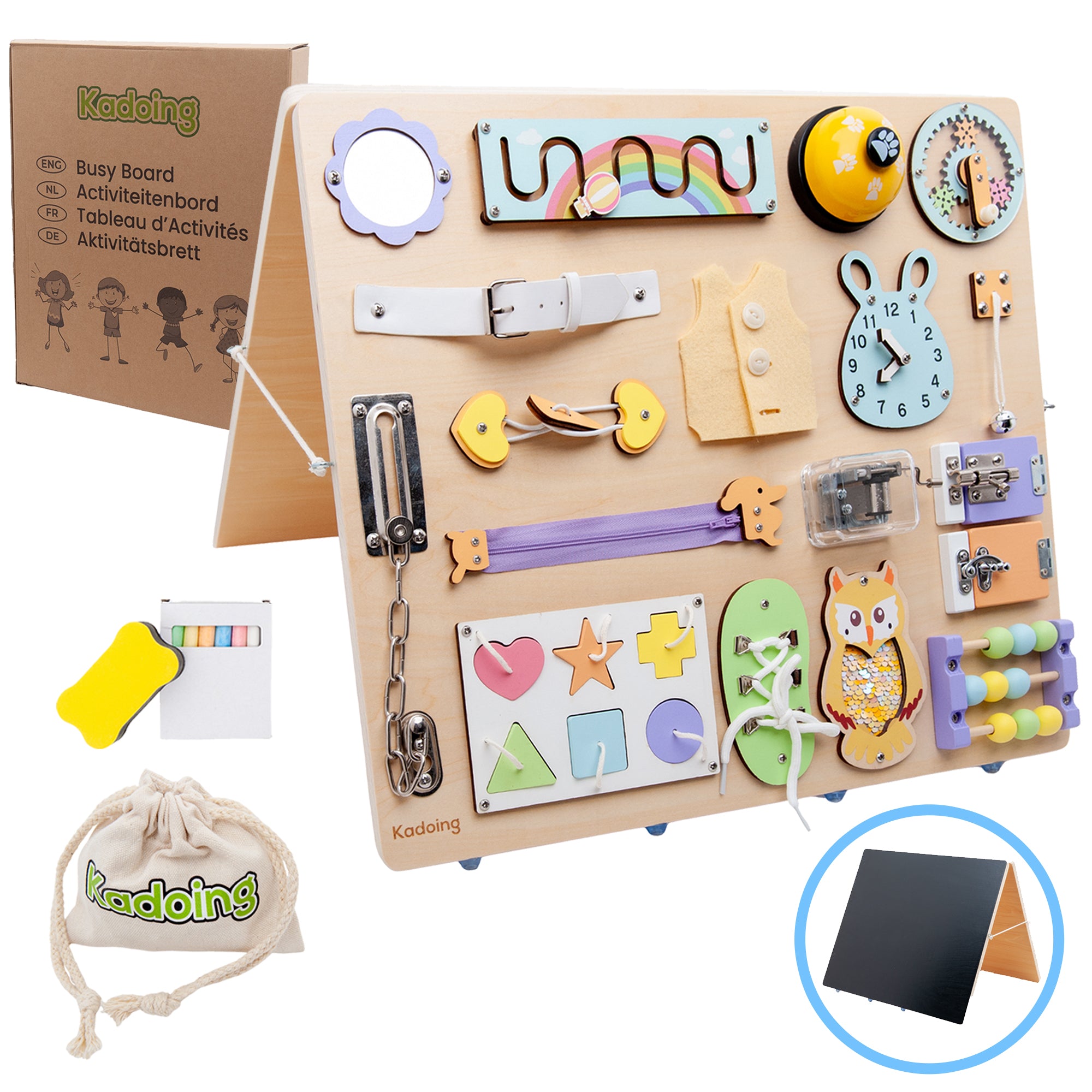
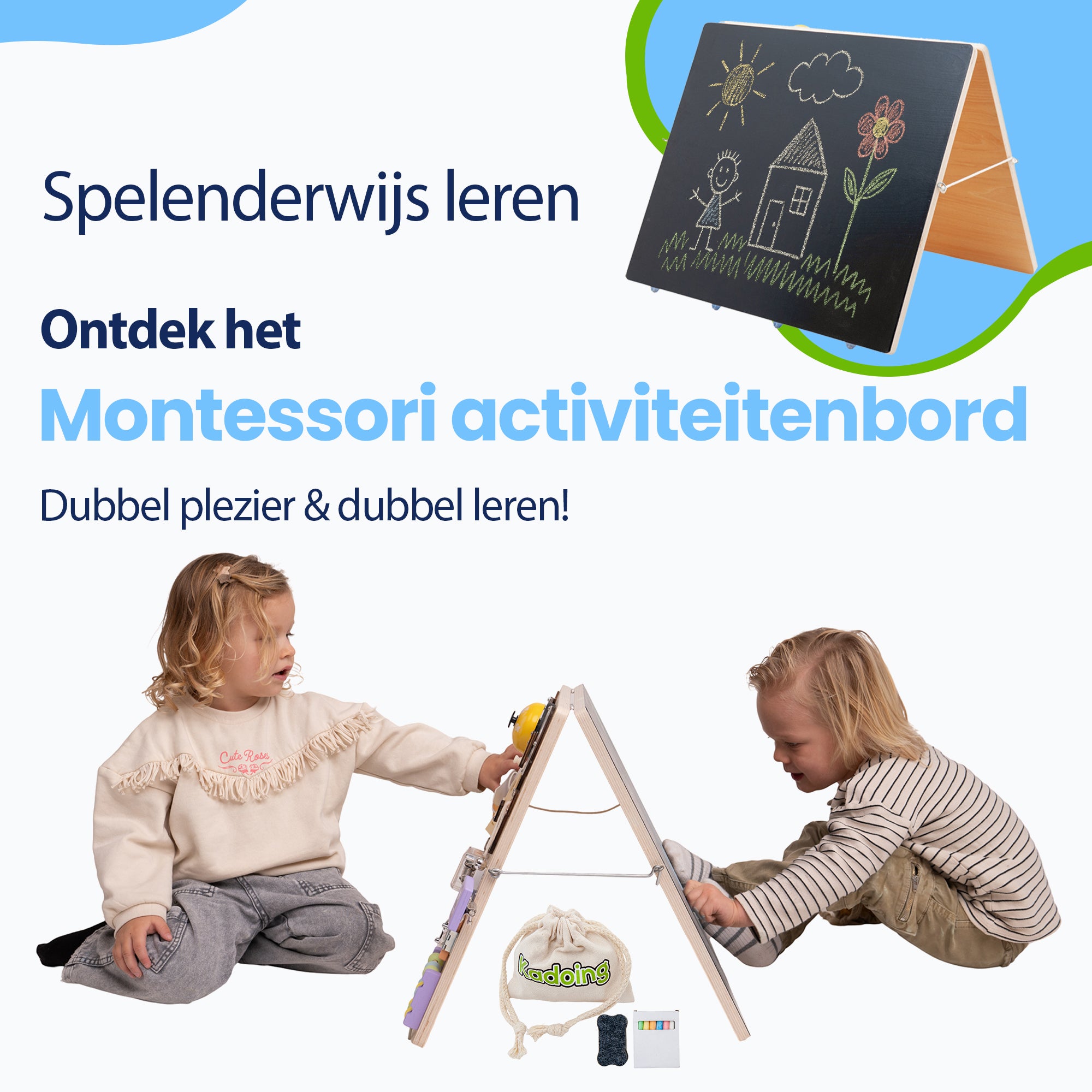
Educational toys can also help develop language skills. Activities that involve recognizing letters, forming words, or creating stories while playing with a Montessori Activity Board can be particularly beneficial.
How do children learn to read in primary school?
Many parents think reading instruction begins only in Year 1, but preparation starts much earlier. In the years before formal reading lessons, children learn to recognize letters, rhyme, distinguish sounds, and identify simple words. This stage is often referred to as emergent literacy.
Formal reading instruction usually begins in Year 1. Children learn to:
- Recognize and name letters.
- Connect letters to their corresponding sounds.
- Blend sounds together to form words.
- Read short words and simple sentences.
- Recognize increasingly longer and more complex words.
As children progress, the focus shifts toward reading fluently. They practice reading more quickly and accurately while also developing reading comprehension—the ability to understand the meaning of texts.
In the later years of primary school, greater emphasis is placed on reading comprehension, vocabulary development, and processing information. Schools often use leveled reading books that match each child's reading ability.
Why is reading aloud so important?
Reading aloud is one of the most powerful ways to stimulate language development. Children learn new words, discover how sentences are structured, and develop their imagination.
Reading together also creates positive associations with books. Children who enjoy stories are often more motivated to learn to read independently.
Alongside reading, learning through play is equally important for children's development. Explore our collection of durable wooden toys, designed to encourage creativity, concentration, and problem-solving skills.
What if your child struggles with reading?
Not every child learns to read at the same pace. Some children pick it up quickly, while others need more time and practice. This is completely normal.
The following tips may help:
- Read a section yourself first, then let your child continue.
- Take turns reading pages or paragraphs.
- Continue reading aloud daily, even after your child can read independently.
- Choose books that match your child's reading level.
- Praise effort and progress, not just results.
A useful guideline is to have your child read the first page of a book. If they encounter more than four unfamiliar words, the book may still be slightly too difficult for their current reading level.
Reading and learning go hand in hand
Children who enjoy reading often develop a larger vocabulary, learn new information more easily, and build greater confidence throughout their school years. That is why it is important not to present reading as a chore but as an exciting journey of discovery.
By creating a positive reading environment at home and regularly reading together, you provide your child with a valuable foundation for the future.
Conclusion
Learning to read is a process that begins long before children start formal reading lessons. At school, they gradually learn letters, sounds, words, and eventually how to understand complete texts. As a parent, you can support this process by reading aloud frequently, playing language games, and encouraging curiosity about books.
Would you also like to help your child develop independence, structure, and healthy daily routines? Explore our collection of children's alarm clocks, designed to help children manage their daily rhythm in a fun and engaging way.