Bullying can have a significant impact on children. Discover how to recognize the signs and help your child become stronger and more confident.
How to Protect Your Child from Bullying
It is a situation no parent wants to think about: your child is being bullied. Unfortunately, bullying still occurs both at school and online. For children, bullying can greatly affect their self-confidence, social development, and sense of safety.
Fortunately, as a parent, you are not powerless. By recognizing the signs early, having open conversations, and working together to find solutions, you can help your child cope with the situation in a healthier and stronger way.
In this blog, you'll learn how to recognize bullying, what you can do as a parent, and how to strengthen your child's self-confidence.
What Exactly Is Bullying?
Bullying goes beyond a one-time disagreement or argument. Bullying occurs when someone is repeatedly excluded, mocked, belittled, threatened, or harassed.
Bullying can take different forms:
- Verbal bullying, such as name-calling or insults.
- Physical bullying, such as pushing, hitting, or taking belongings.
- Social bullying, such as exclusion or spreading rumors.
- Online bullying through social media, group chats, or online games.
Because bullying is not always visible, parents sometimes only notice it after their child has been struggling with the effects for quite some time.
How Can You Recognize Signs of Bullying?
Children do not always immediately tell someone they are being bullied. Sometimes they feel embarrassed, fear the situation will get worse, or simply do not want to worry their parents.
Watch for possible signs such as:
- Not wanting to go to school.
- Sudden mood changes.
- Sad or withdrawn behavior.
- Difficulty sleeping or frequent nightmares.
- Loss of self-confidence.
- Unexplained stomach aches or headaches.
- Damaged or missing belongings.
- Spending less time with friends.
One sign alone does not necessarily indicate bullying, but several signs together may suggest that something is wrong.
Talk Openly and Without Judgment
If you suspect your child is being bullied, an open conversation is often the most important first step.
Try to ask calm questions and give your child space to share their story. Avoid immediately offering solutions or making judgments. Children often feel safer when they first notice that someone is genuinely listening to them.
Make it clear that bullying is never the victim's fault. This can help reduce feelings of shame or insecurity.
Work Together with the School
If the bullying is taking place at school, it is important to contact your child's teacher or mentor.
Many schools now have anti-bullying policies and resources to help address these situations. By working together, parents and schools can gain a better understanding of what is happening and find appropriate solutions.
Ask for regular updates so you know what steps are being taken and how the situation is developing.
Strengthen Your Child's Self-Confidence
Children who are bullied may begin to doubt themselves. That is why it is important to actively support their self-confidence.
You can do this by:
- Giving compliments for effort and positive behavior.
- Doing activities together that your child enjoys.
- Exploring new hobbies.
- Encouraging friendships outside of school.
- Creating opportunities for success.
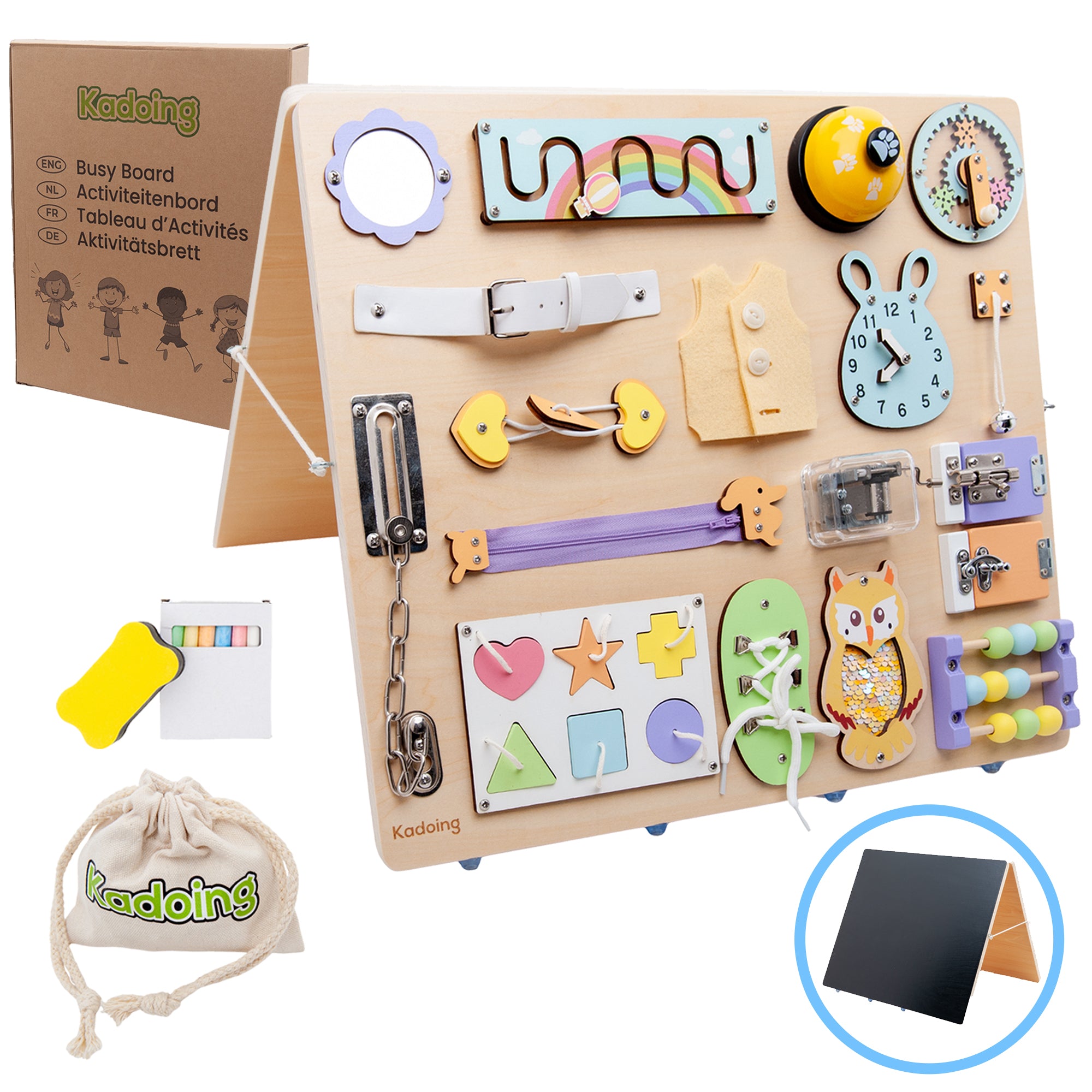
Creative activities, music, and play can help. With educational durable wooden toys, children can discover their talents through play and build confidence by developing new skills.
Don't Forget About Online Bullying
Today, part of children's social lives takes place online. Unfortunately, bullying often does too.
Talk regularly about social media, group chats, and online games. Set clear rules for online behavior and encourage your child to show you any messages that make them uncomfortable.
If necessary, save screenshots of messages so they can be used if further action is required.
A Calm and Safe Home Environment Matters
Children who are being bullied often need a place where they feel completely safe. A calm home environment helps them process emotions and recharge.
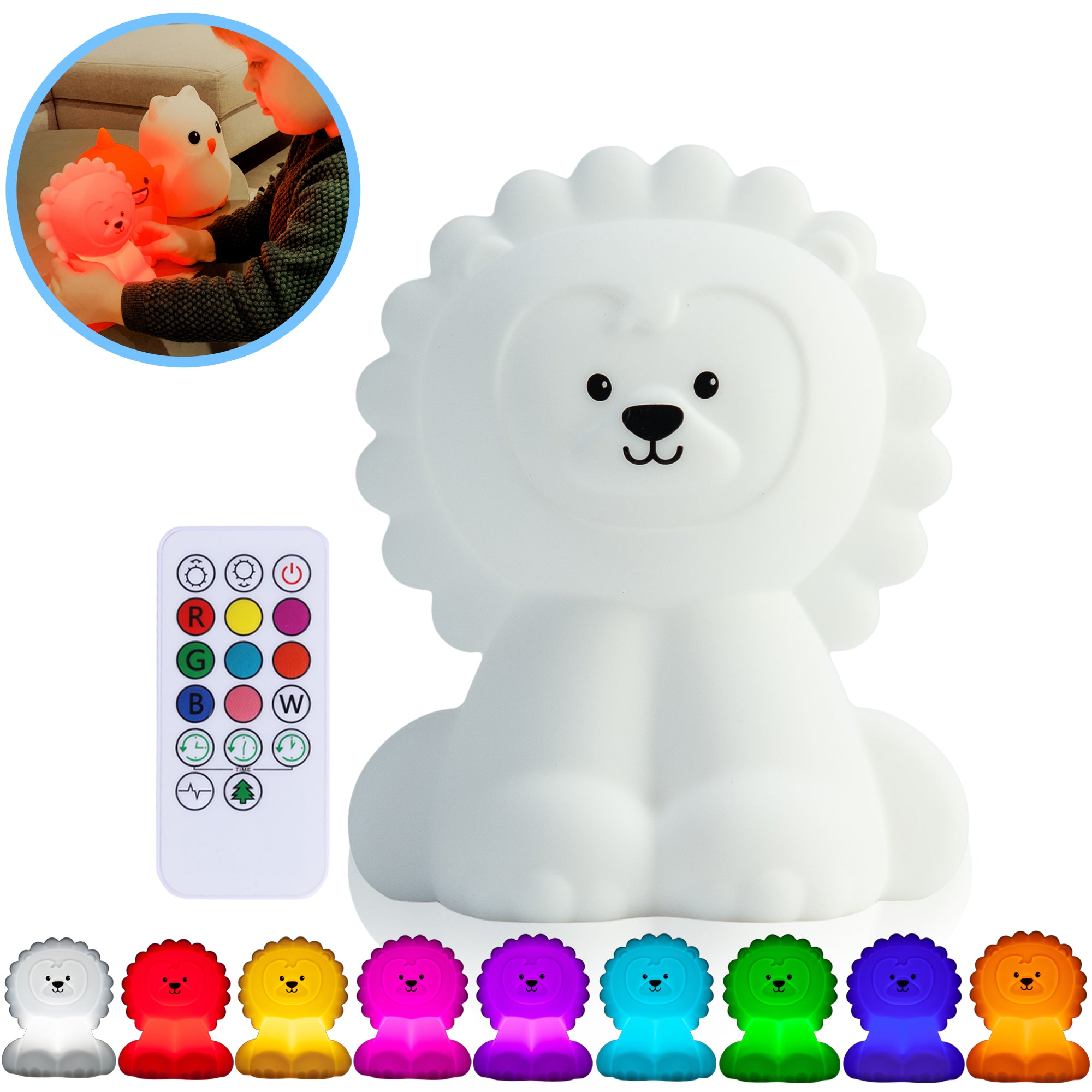
Consistent routines, enough sleep, and relaxation can contribute to a greater sense of security. Some children find comfort in having a soft light at bedtime. A friendly night light for children can provide extra comfort and reassurance during difficult periods.
Teach Your Child That Asking for Help Is a Strength
Many children believe they have to solve bullying on their own. In reality, asking for help is a sign of strength.
Encourage your child to talk about difficult situations with parents, teachers, family members, or other trusted adults. The sooner bullying is addressed, the greater the chance that the situation will improve.
Building a Strong Foundation Together
You cannot always prevent bullying, but you can help your child become resilient, confident, and emotionally strong. By listening carefully, taking concerns seriously, and working together to find solutions, you provide the support your child needs.
A child who feels heard, loved, and supported is often better equipped to handle difficult situations.
Looking for products that support comfort, emotional security, and positive development? Explore our collection of plush toys for children, which many children find comforting and reassuring.
How do you talk with your child about friendship, respect, and bullying?