Teach children about gender equality, respect, and equal opportunities through play. Discover practical tips for home and school.
March 8th is International Women's Day. It’s a great opportunity to talk with children about equality, respect, and opportunities for everyone. Gender equality is not only about women's rights, but also about giving every child the freedom to be themselves, discover their talents, and make choices without limiting expectations.
What Is International Women's Day?
International Women's Day is celebrated every year on March 8th. It is a day to reflect on the position of women worldwide, recognize the progress that has been made, and acknowledge the steps still needed to achieve equal rights and opportunities.
For children, you can explain it simply: everyone deserves the same opportunities, regardless of whether they are a boy, a girl, or identify differently. Everyone should be able to learn, play, dream, work, and participate.
Why Is Gender Equality Important for Children?
From a young age, children start forming ideas about what is "for boys" or "for girls." This can include colors, toys, hobbies, clothing, careers, or behavior. By addressing these ideas thoughtfully, you help children think more freely and follow their own interests.
Gender equality does not mean everyone has to be the same. It means every child has the same opportunity to discover talents, express feelings, and make choices.
How Do You Talk to Children About Gender Equality?
Keep the topic simple and easy to understand. There is no need for complicated explanations. Start with questions such as:
- Can everyone play with the same toys?
- Can boys be caring and nurturing too?
- Can girls become builders, inventors, or leaders?
- Why do some people think certain things are only for boys or girls?
By asking open-ended questions, you encourage children to think without telling them what to believe. This helps them gradually develop their own sense of fairness and respect.
4 Activities to Teach Children About Gender Equality
Would you like to introduce gender equality in a positive and playful way? These activities can help.
1. Read Stories About Inspiring Women and Men
Choose books or stories about people who dared to think beyond expectations. Consider female scientists, male caregivers, athletes, artists, inventors, or activists.
Show children that talent is not determined by gender. Anyone can be brave, creative, caring, technical, athletic, or entrepreneurial.
2. Let Children Choose Their Own Toys
Toys do not need to fit into categories. Boys can play with dolls, and girls can build, drum, solve puzzles, or play with dinosaurs. The most important thing is that toys support curiosity, development, and fun.
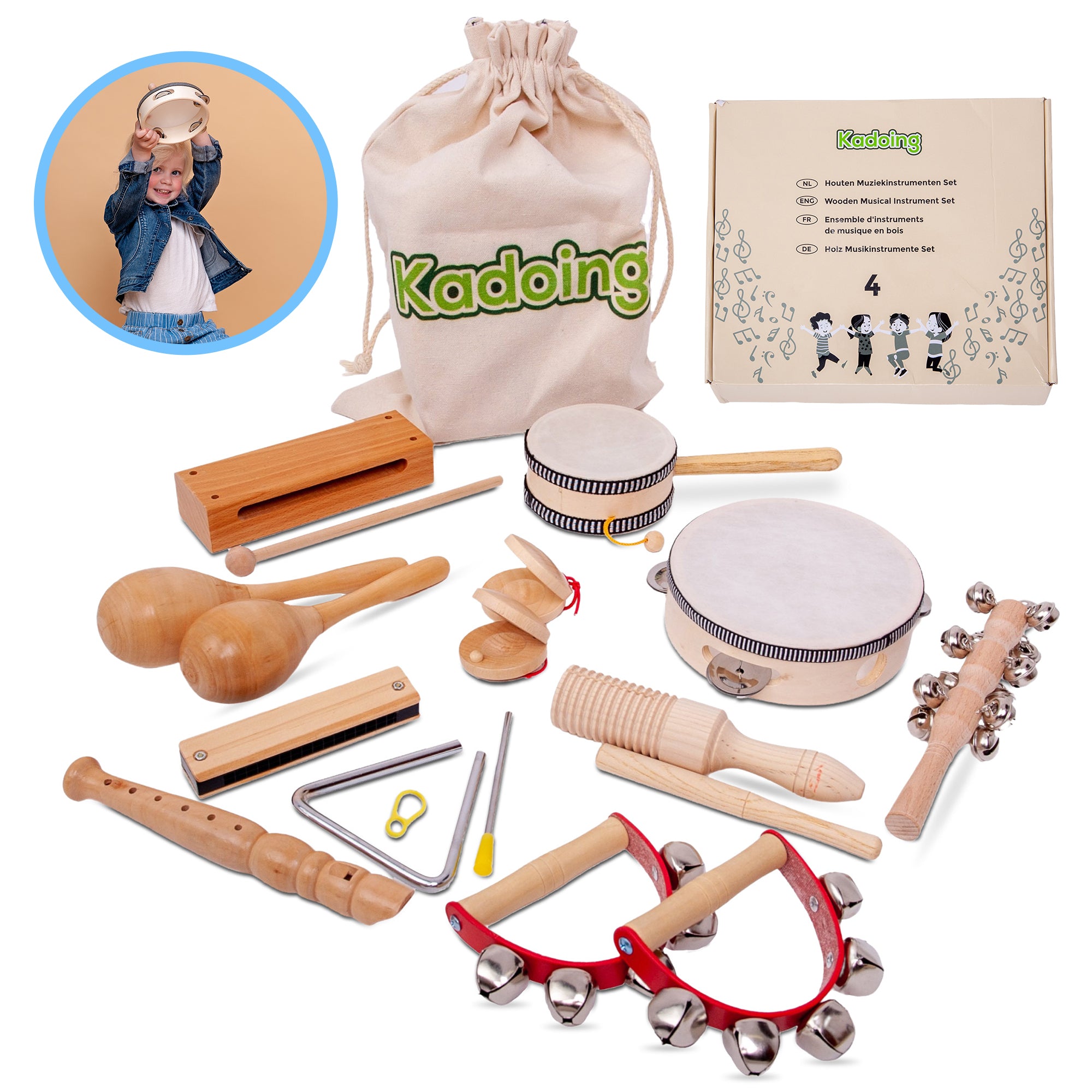
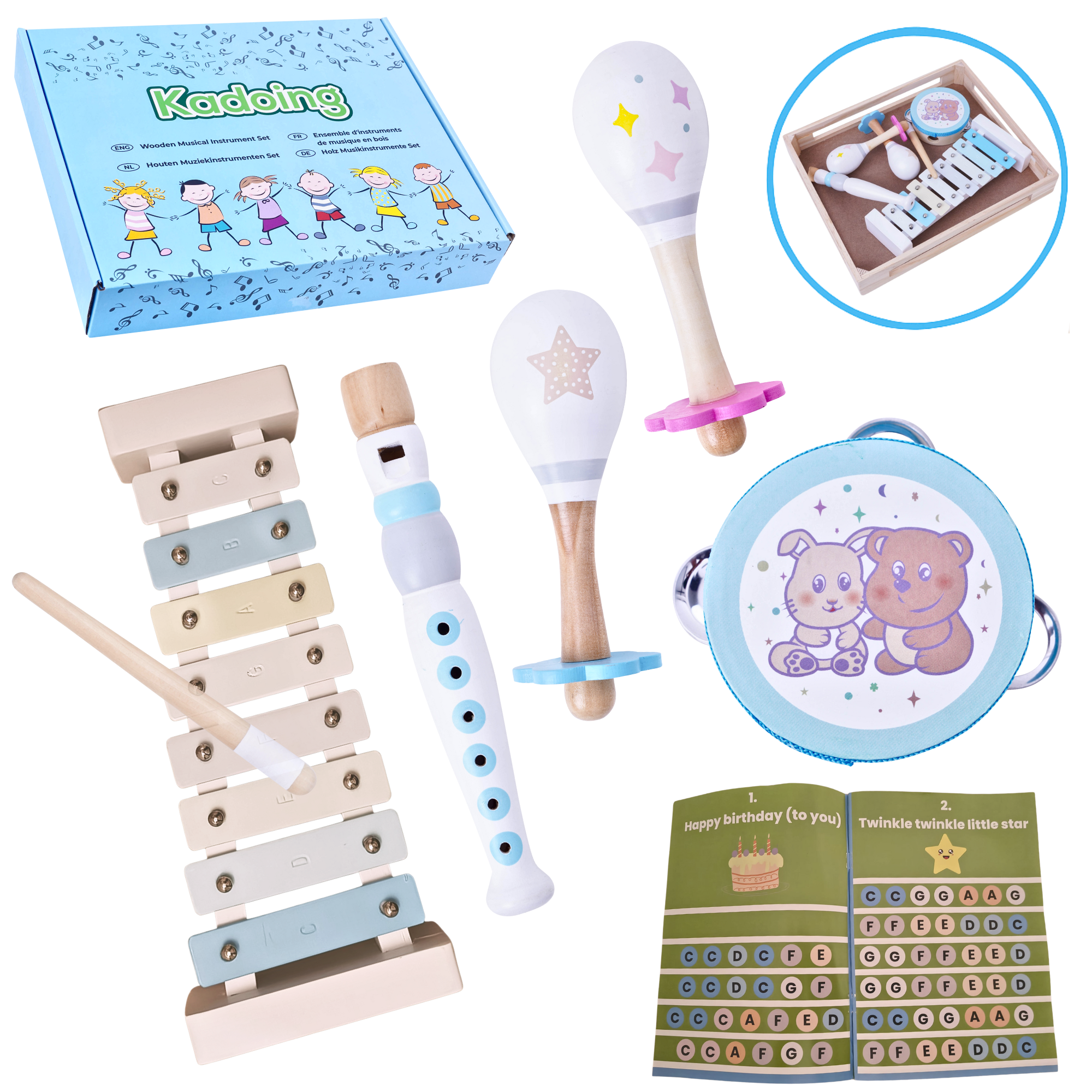
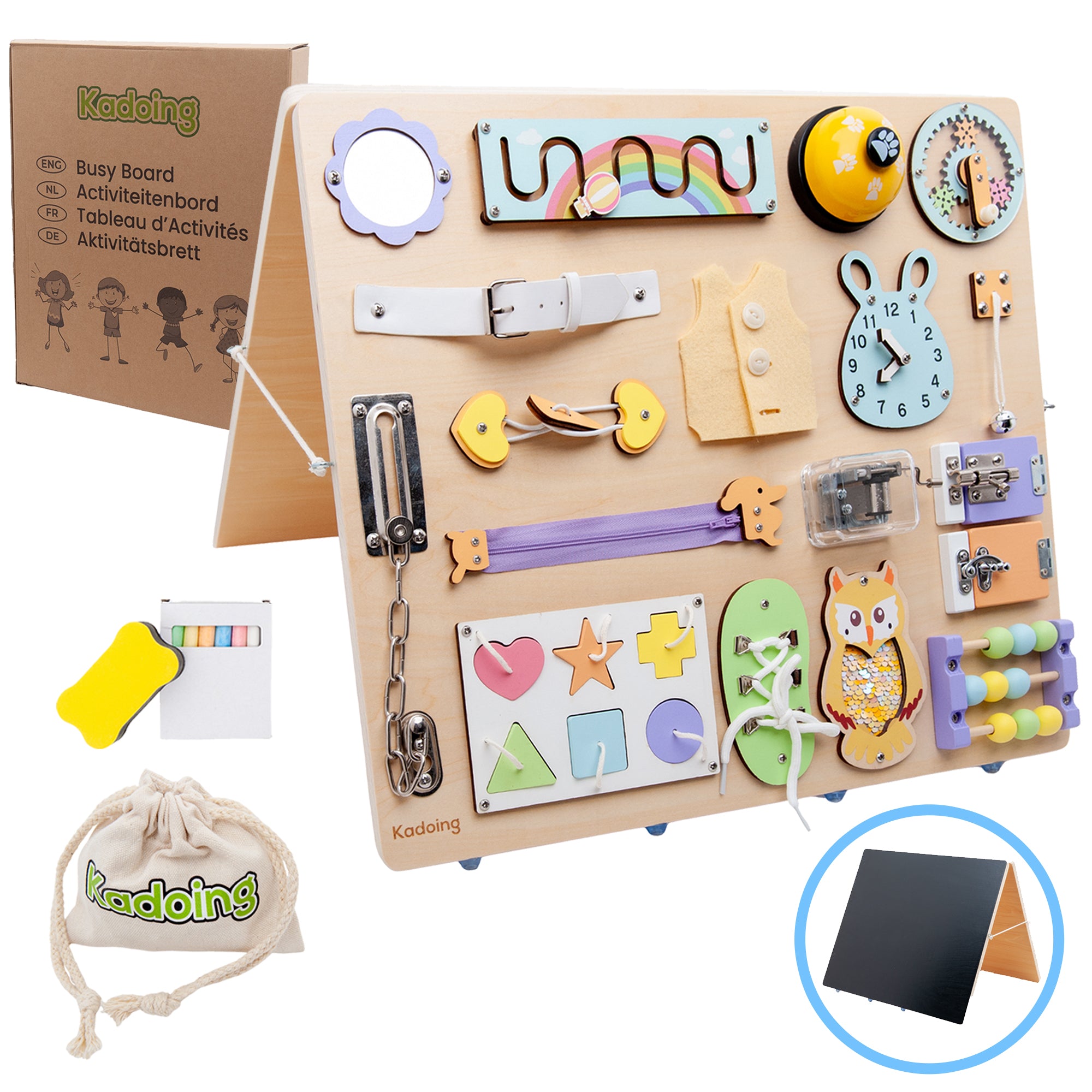
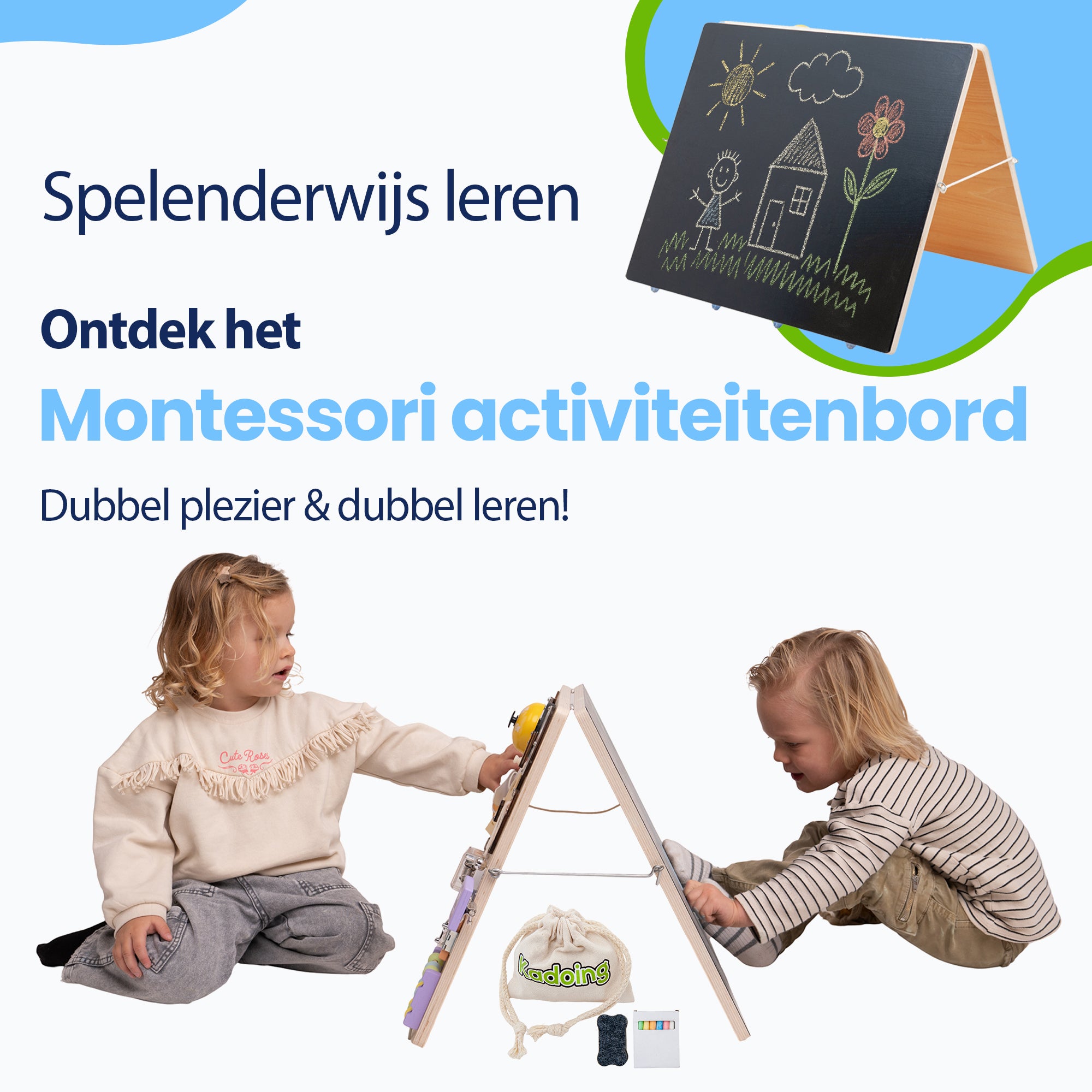
With durable wooden toys, children can freely explore, build, make music, and use their imagination without fixed roles or expectations.
3. Celebrate Role Models Around You
Talk together about people in your own community. Who cares for others? Who works hard? Who helps, leads, creates, teaches, or inspires?
These can be mothers, fathers, grandparents, teachers, neighbors, or friends. By showing children real-life examples, equality becomes more tangible and relatable.
4. Share Household Tasks Fairly
Children learn a lot by observing adults. Show them that household chores, caregiving, responsibilities, and decision-making can be shared by everyone.
Encourage children to help with age-appropriate tasks. This teaches them that responsibility is about cooperation, not gender.
Gender Equality and Toys: Let Children Explore
Toys influence how children see themselves and the world around them. When children only receive toys that fit traditional expectations, they may unconsciously believe certain interests are not meant for them.
Give children access to different types of play. Think about building, making music, caregiving, role-playing, movement, puzzles, and creative activities. This helps them discover their own talents and interests.
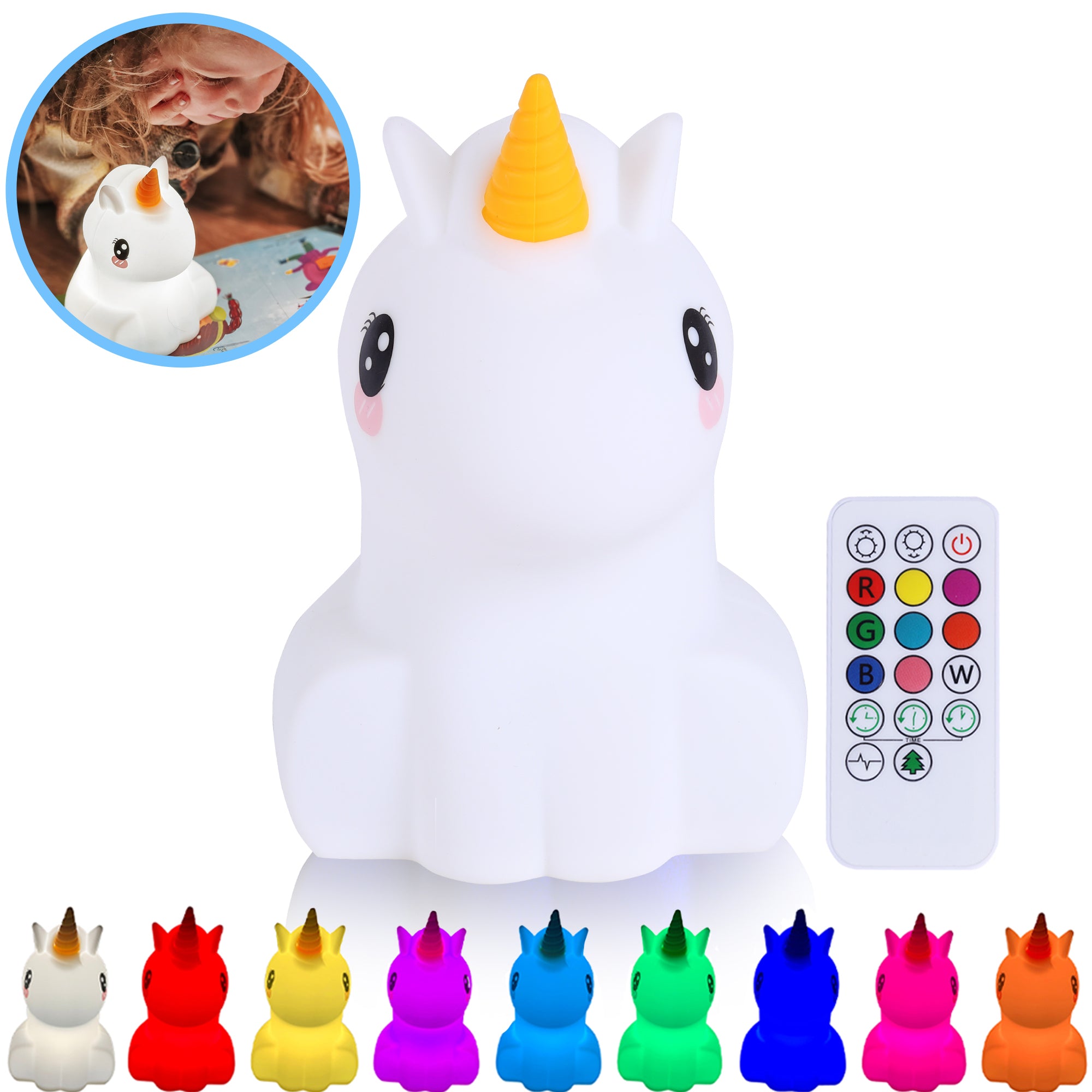
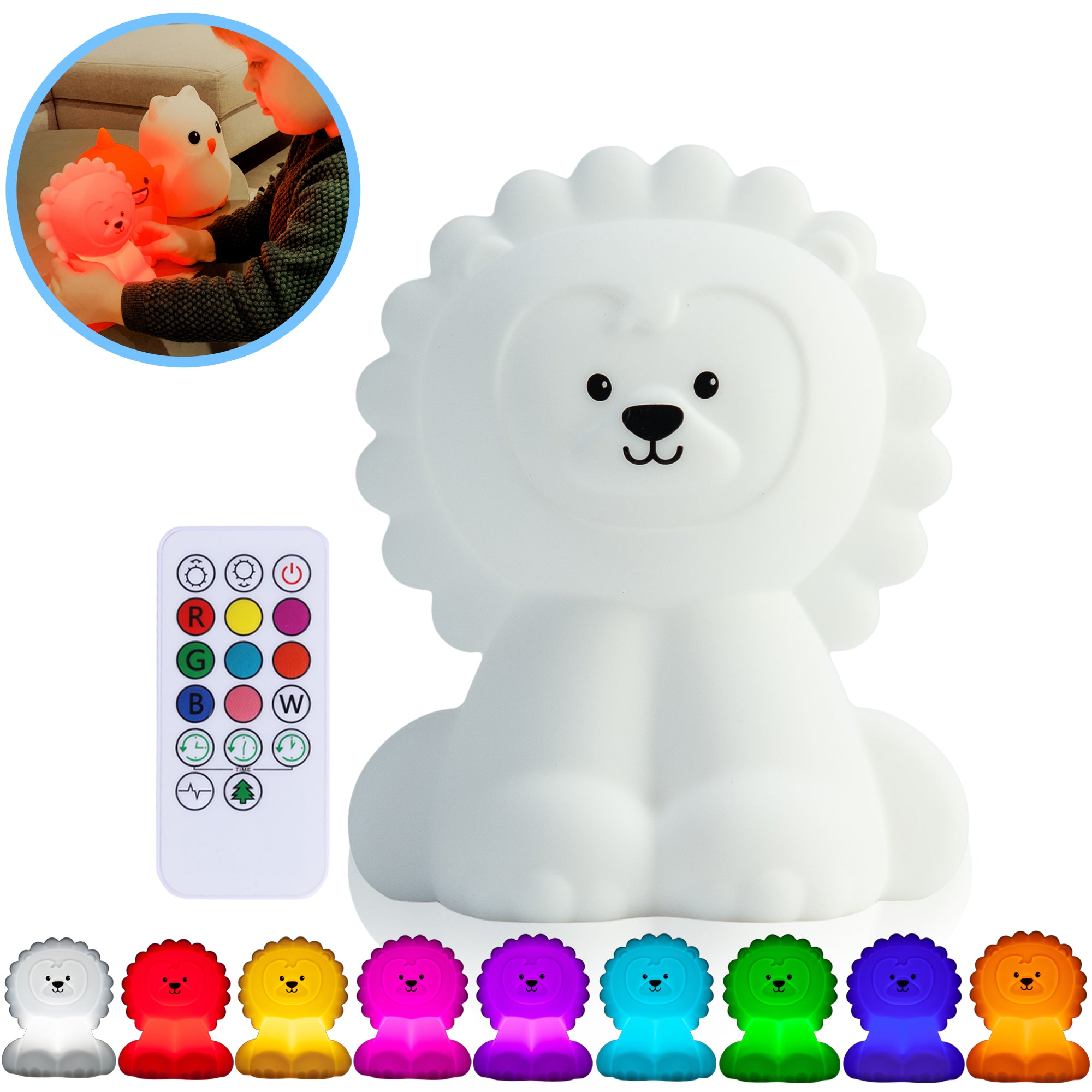
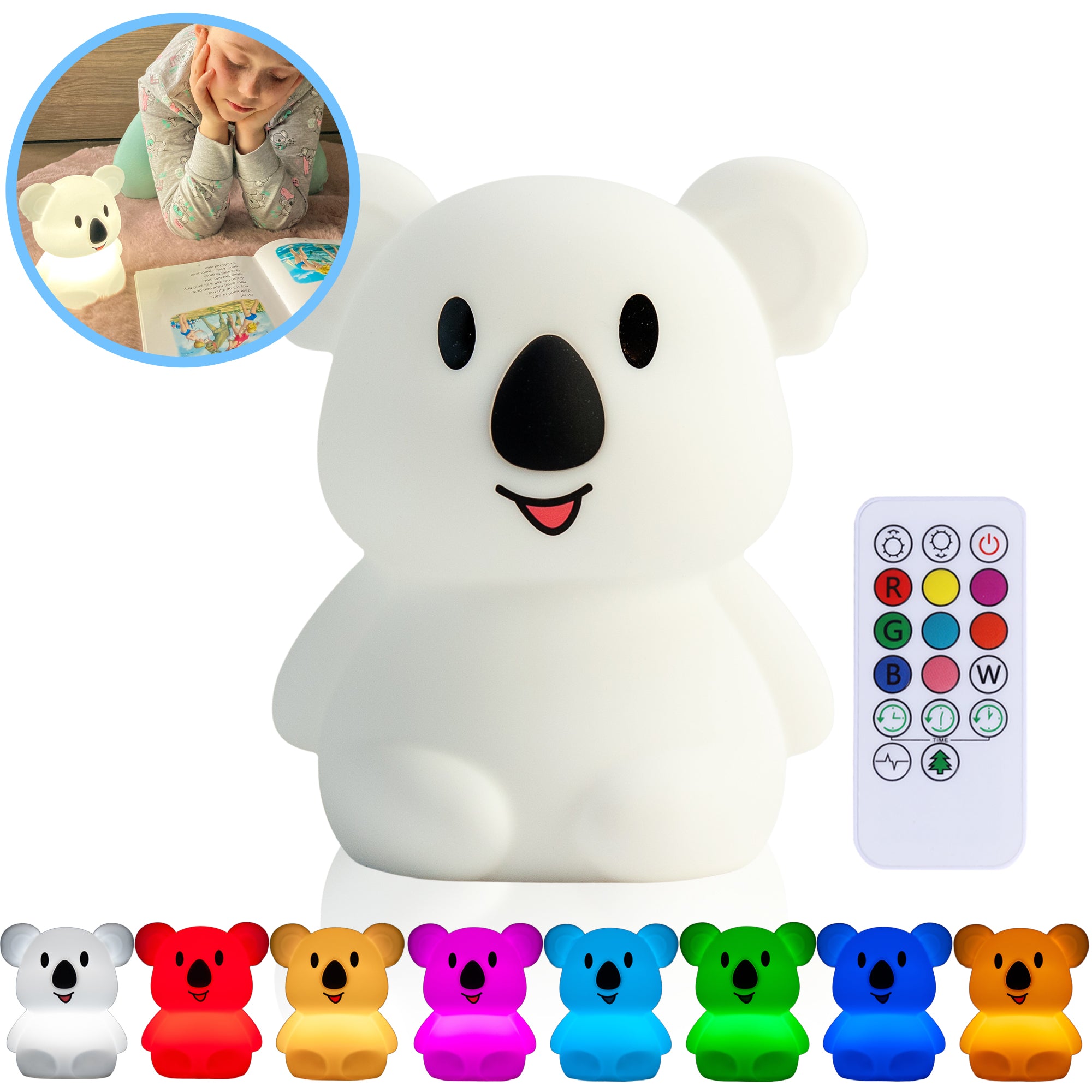
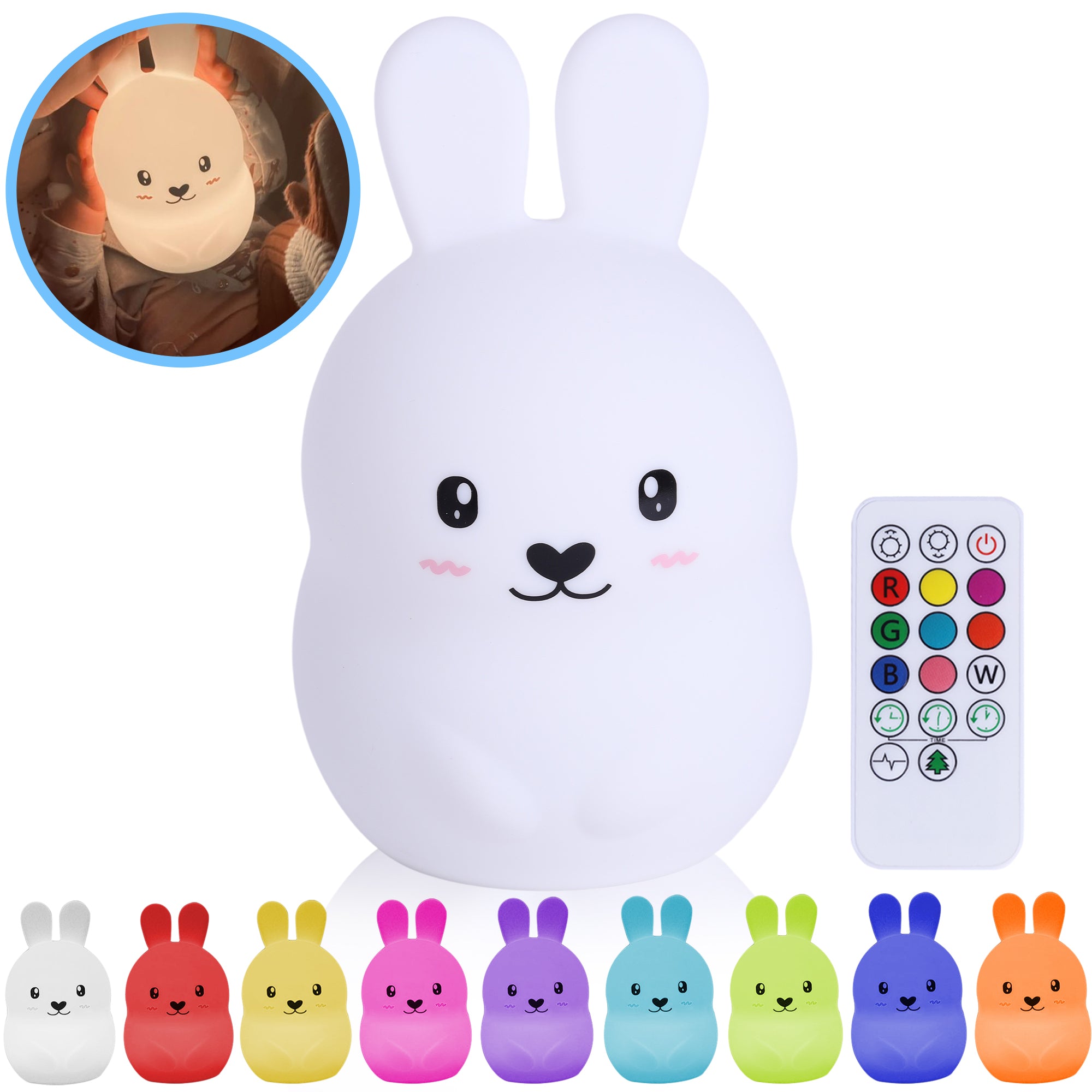
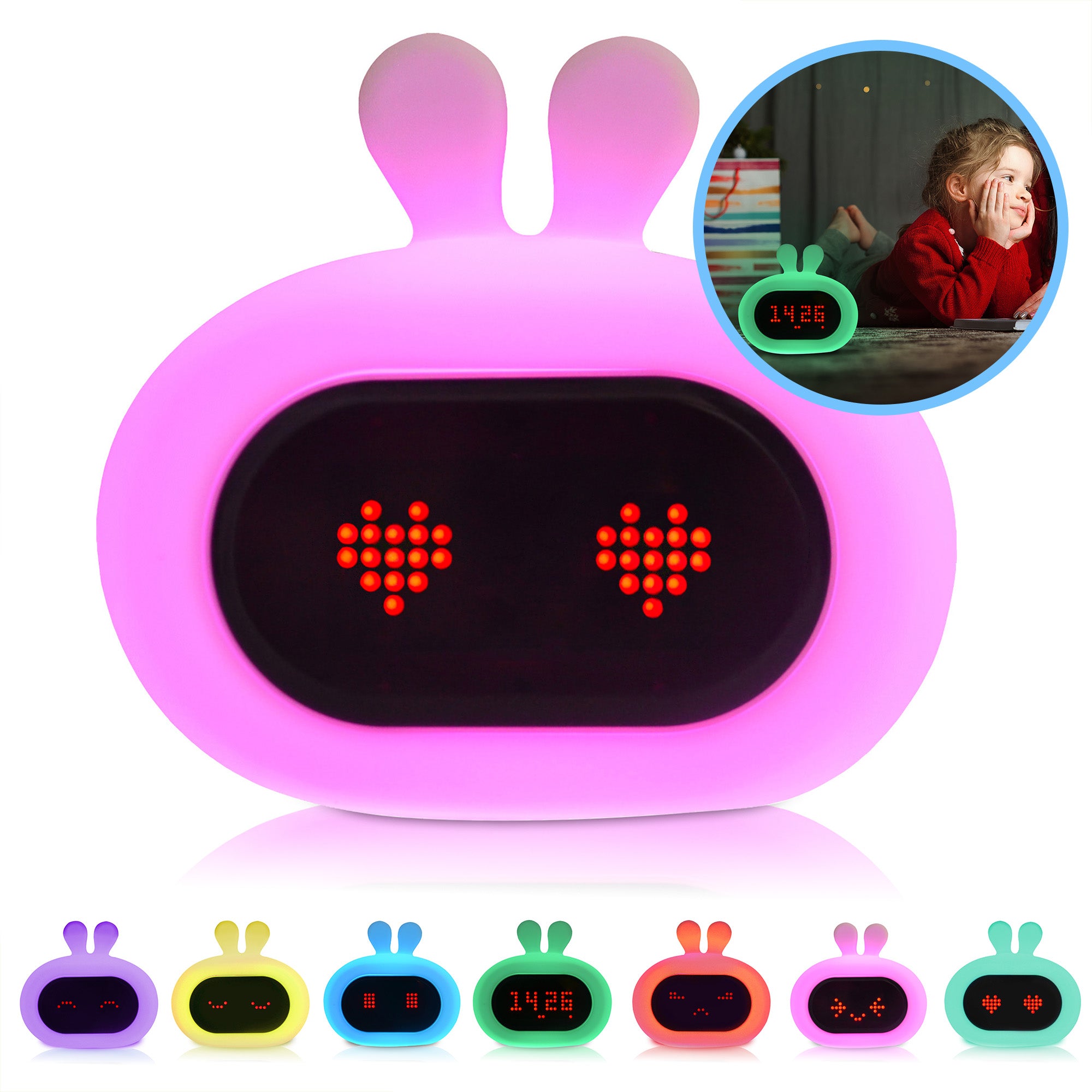
Rest and security are also important for healthy development. A comforting night light for children can help create a relaxing sleep environment where children feel safe to grow and explore.
What Should You Avoid?
Sometimes adults unintentionally say things like “that’s for girls” or “boys don’t cry.” Comments like these can limit what children feel comfortable trying, choosing, or expressing.
Instead, try using inclusive language such as:
- “Anyone can play with that.”
- “You can be proud of what you enjoy.”
- “Everyone can feel sad, happy, angry, or unsure.”
- “Talent has nothing to do with being a boy or a girl.”
Learning Gender Equality Step by Step
Learning about gender equality is not a one-time conversation. It is something that appears in everyday situations: while playing, reading, talking, making choices, and working together.
By guiding children positively, you give them the freedom to be themselves and treat others with respect. That fits a world where every child can grow in their own unique way.
Read more parenting tips and inspiration about child development in our latest Kadoing blogs.
What kind of toys does your little one enjoy playing with the most?