Anger is a normal part of growing up. Discover how you can help your child recognize frustration, express their feelings, and calm down again.
Why Do Children Get Angry?
Anger is a normal emotion. Children become angry when something does not work out, when they feel misunderstood, or when they experience too many stimuli. Tiredness, hunger, stress, or changes in their environment can also cause emotions to escalate more quickly.
For young children, it is often difficult to explain exactly how they feel. As a result, frustration may come out as crying, yelling, stomping, or angry behavior. This does not mean your child is being difficult on purpose. It simply means they are still learning how emotions work.
Why Learning to Manage Anger Is Important
Children who learn how to cope with anger and frustration develop greater self-confidence, resilience, and social skills. They learn how to resolve conflicts, set boundaries, and calm themselves when things do not go as planned.
Emotions do not need to be suppressed. The goal is not for your child to never feel angry again, but to learn that anger is okay and can be handled in a healthy way.
Common Causes of Anger in Children
Anger often results from a combination of feelings and circumstances. For example:
- Wanting something that is not allowed or not possible
- Having difficulty sharing or waiting their turn
- Feeling tired or hungry
- Experiencing too much noise or stimulation
- Feeling insecure during changes or transitions
- Feeling unheard or misunderstood
- Not yet being able to do something, such as building, drawing, or getting dressed independently
By looking beyond the behavior and understanding the cause, parents can respond more calmly and guide their child more effectively.
Tip 1: Acknowledge Your Child's Feelings
It is important for children to feel that their emotions are taken seriously. You might say, “I can see that you're angry,” or “You're frustrated because it didn't work.” This shows your child that their feelings are valid.
Try not to immediately explain away the anger. First acknowledge the emotion, then move on to explanations or solutions. This helps your child feel understood and often creates space for calmness more quickly.
Tip 2: Set Clear Boundaries
Feeling angry is okay, but hitting, kicking, or breaking things is not. Make a clear distinction between emotions and behavior.
For example, say: “It's okay to feel angry, but it's not okay to hit.” This teaches children that emotions are normal while also showing that there are limits to how those emotions can be expressed.
Tip 3: Talk Once Your Child Has Calmed Down
During a tantrum or emotional outburst, children often cannot think clearly or listen well. It is better to wait until they have calmed down before discussing what happened.
Afterward, talk together about the situation. Ask simple questions such as: “What made you angry?” and “What could we do differently next time?” This helps children gradually learn to reflect on their feelings and actions.
Tip 4: Use Breathing Exercises to Calm Down
Breathing exercises can help children release tension. Keep it simple and playful. For example, ask your child to pretend they are slowly inflating a balloon and then gently letting the air out.
You can also count together: breathe in for three counts and breathe out for four. Doing this together helps your child feel supported.
Tip 5: Give Emotions a Creative Outlet
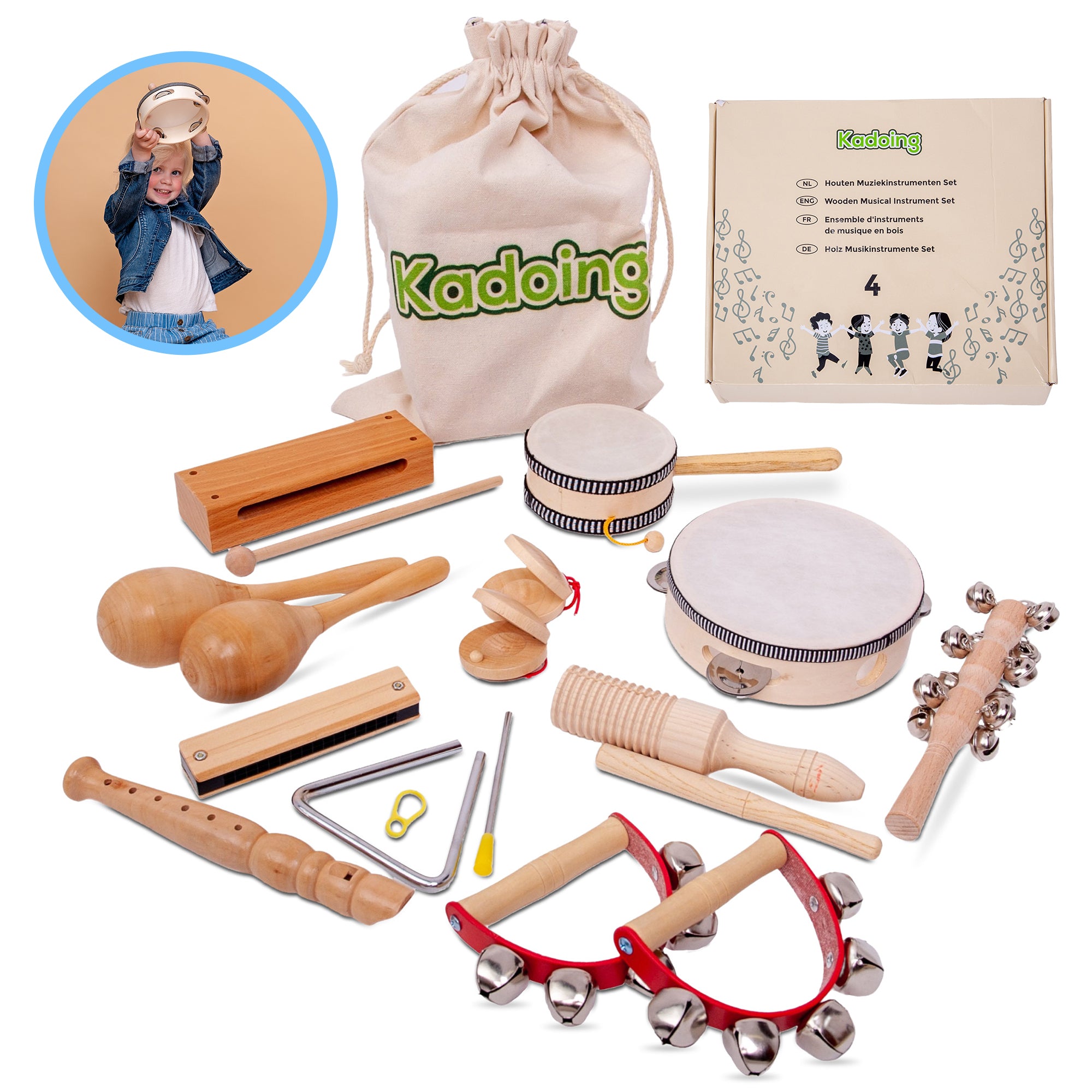
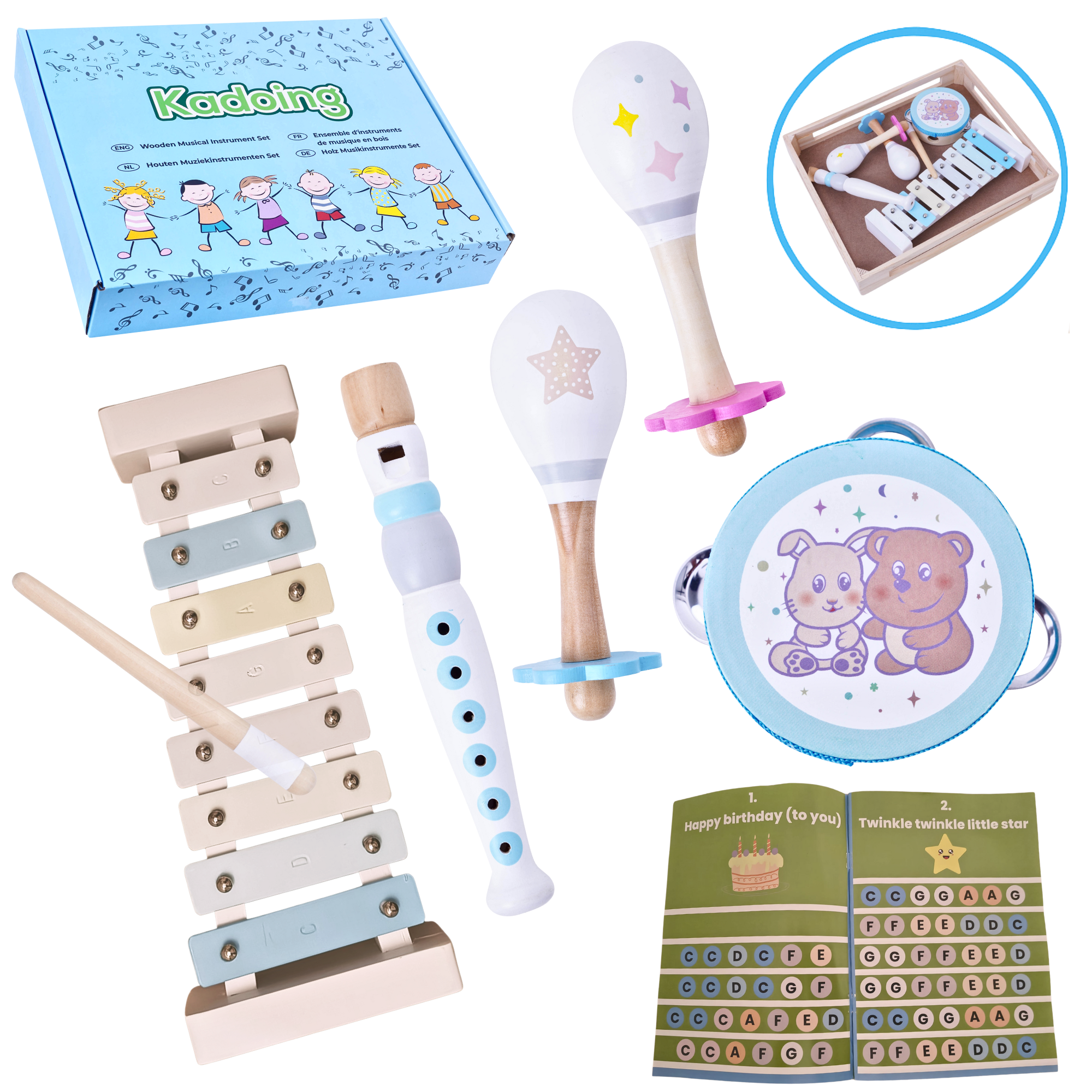
Some children find it difficult to talk about their feelings. Creative play can be a helpful alternative. Encourage your child to draw, build, sculpt, or make music to process emotions.
Calm, open-ended play gives children a safe way to release tension. Explore our collection of durable wooden toys for playful activities that encourage creativity and development.
Tip 6: Provide Plenty of Rest and Structure
Children often react more strongly to emotions when they are tired or overstimulated. A predictable daily routine helps create more calmness and security.
Try to maintain consistent times for meals, play, relaxation, and sleep. A calm evening routine can make a big difference, especially for children who are easily frustrated or sensitive.
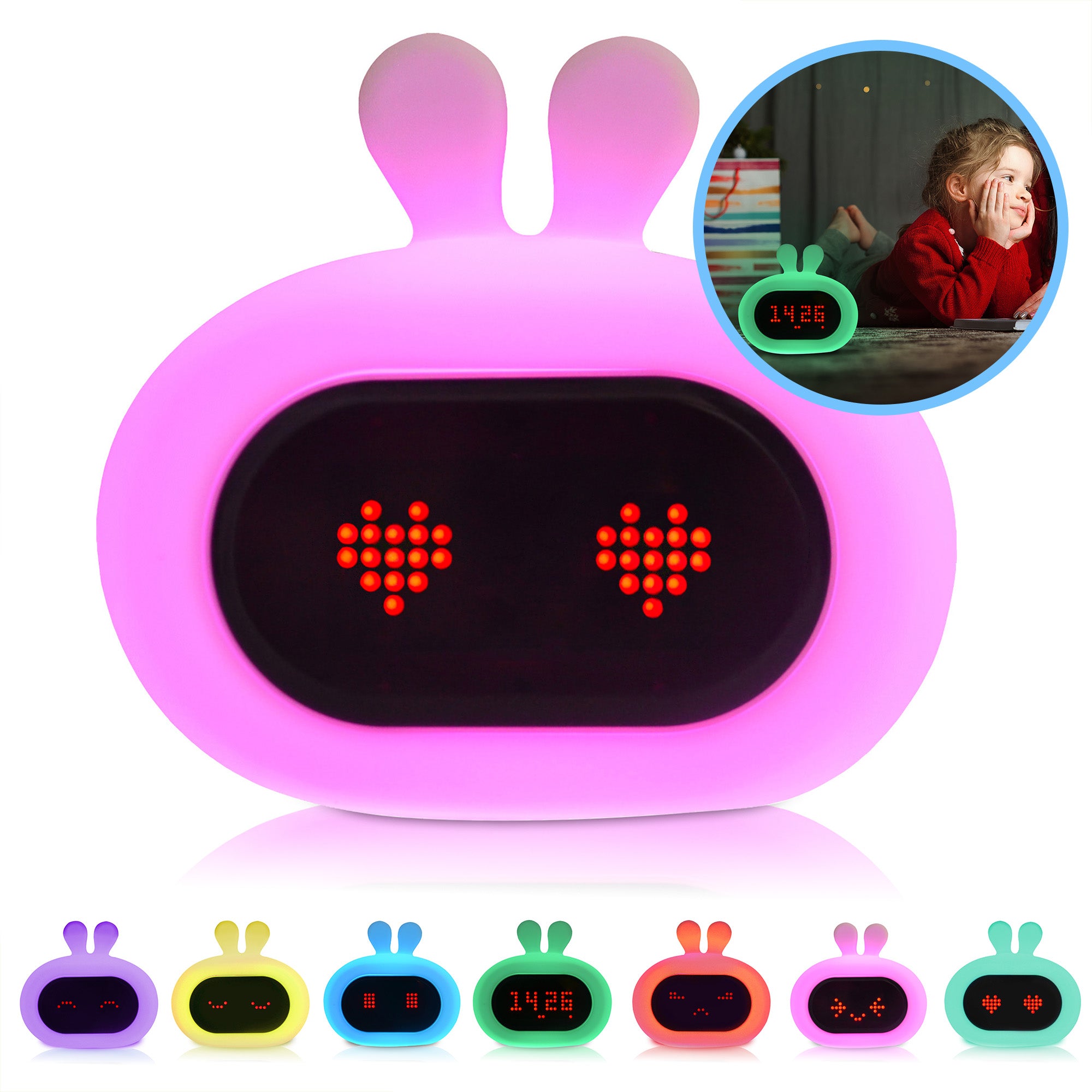
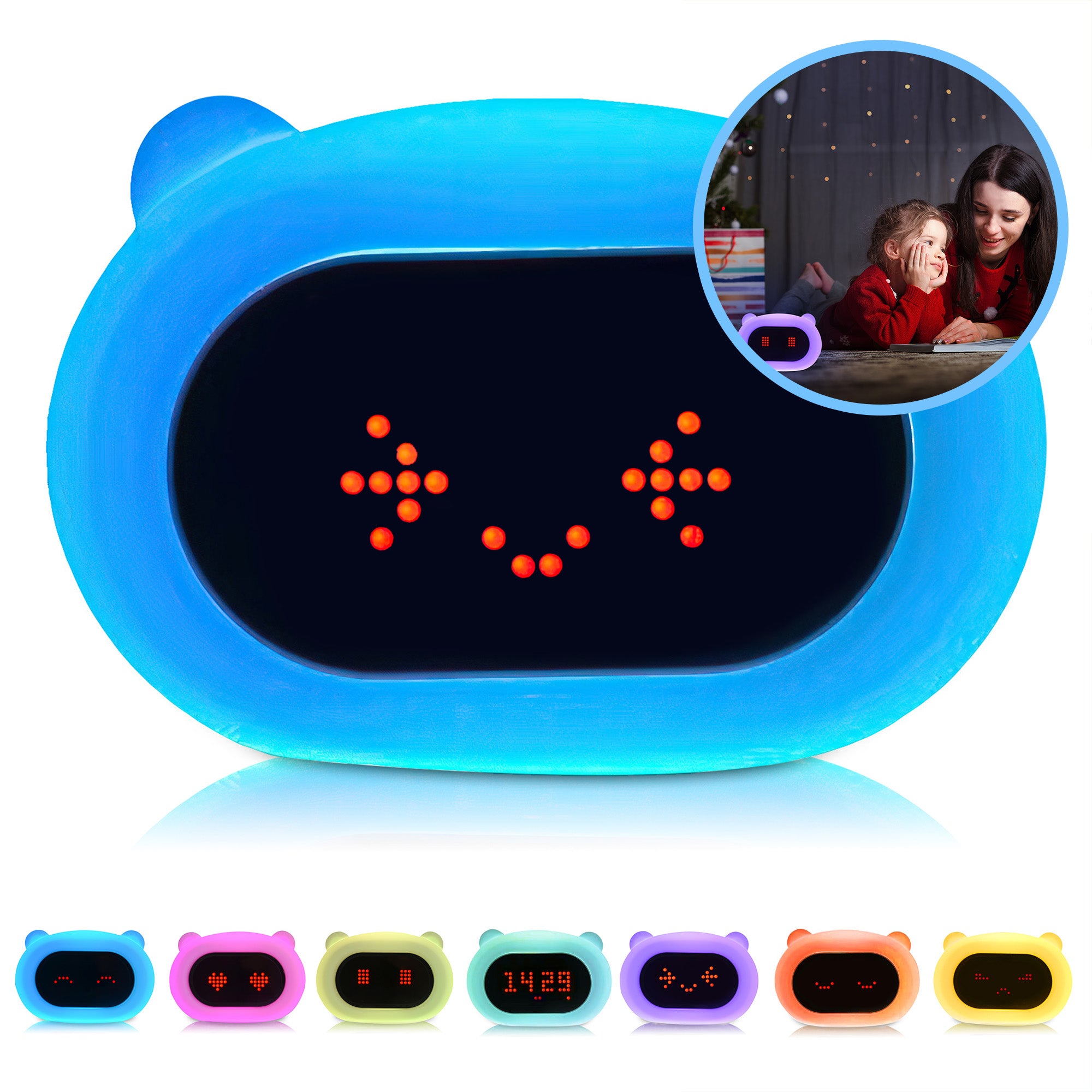
A children's alarm clock with a sleep trainer can help make bedtime and wake-up times clearer and more predictable.
Tip 7: Lead by Example
Children learn a great deal by observing their parents. When you stay calm, you demonstrate how to handle stress and frustration. This does not mean you always need to react perfectly.
If you become angry yourself, talk about it afterward. For example: “I was irritated earlier, but I could have spoken more calmly.” This teaches your child that everyone experiences emotions and that it is always possible to make things right again.
Learning to Manage Emotions Together
Anger, frustration, and sadness are all part of life. By guiding your child with patience and understanding, you help them build emotional resilience. This takes time, repetition, and consistency.
At Kadoing, we believe children learn best through safety, play, and structure. With durable, child-friendly toys and supportive routines, you can give your child the space to grow at their own pace.
Would you like to learn more about parenting, sleep, play, and child development? Explore our latest blogs.
What calming activity helps your child let go of anger and frustration?