The first day of school is a major milestone. With these tips, you can help your child start primary school with confidence and excitement.
Time flies. Before you know it, your child turns four and a new chapter begins: primary school. For many children, this is an exciting adventure filled with new experiences, friendships, routines, and discoveries. For parents, it can also take some getting used to. Fortunately, there are several ways to prepare your child for this special step.
The transition to primary school: a big change
The first day of school often means a child's first experience in a larger group of peers, following a structured daily routine, and spending time in a new environment without mum or dad nearby. This can bring both excitement and nervousness.
It is important to remember that every child responds differently to this transition. Some children walk into the classroom without hesitation, while others need a little more time to adjust. Both reactions are completely normal.
Why good preparation helps
Children often feel more secure when they know what to expect. By preparing them for this new situation in advance, you make the transition feel less overwhelming and help boost their confidence.
These five tips will help lay the foundation for a positive start at primary school.
Tip 1: Visit the school beforehand
A good start makes a big difference. Visit the school together with your child before the first day. Many schools organize orientation sessions or trial mornings where children can spend some time in their future classroom.
Walk around the building together, explore the playground, and point out where their teacher will be. This makes the school feel more familiar and often less intimidating.
You can also explain what happens during a typical school day: playing, learning, snack time, outdoor play, and meeting new friends.
Tip 2: Ask all your questions in advance
Many primary schools organize information sessions for parents. Take advantage of these opportunities. The better informed you are, the more calm and confident you can be when talking to your child about school.
You may want to ask about:
- the daily schedule;
- drop-off and pick-up procedures;
- birthdays and classroom celebrations;
- food and drinks at school;
- communication with teachers.
Children are remarkably sensitive to their parents' emotions. Your confidence can help them feel confident too.
Tip 3: Let your child bring something familiar
Some children feel more comfortable having something familiar from home during their first days at school. This could be a small cuddly toy, a photo, or another object that provides comfort and security.
A familiar plush toy can be especially helpful for children who find it difficult to say goodbye or who need extra reassurance in new situations. Explore our collection of soft plush toys for children for extra comfort and security.
Be sure to check with the school first to see whether this is allowed.
Tip 4: Play remains important
Many parents immediately associate primary school with learning to read, write, and do math. However, play remains a central part of learning during the early school years.
Through play, children develop social skills, language abilities, motor skills, creativity, and problem-solving skills. Play is one of the most important ways young children learn.
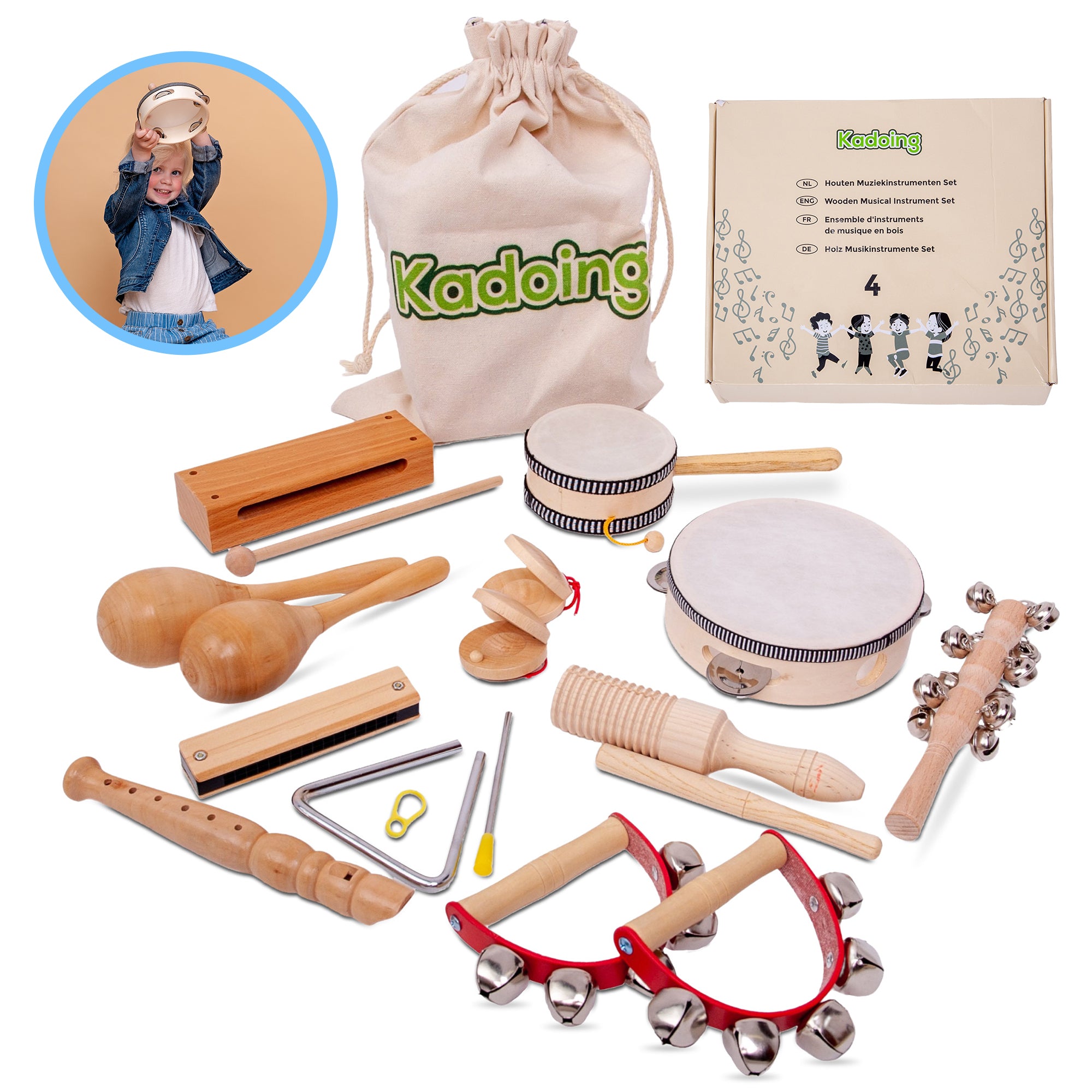
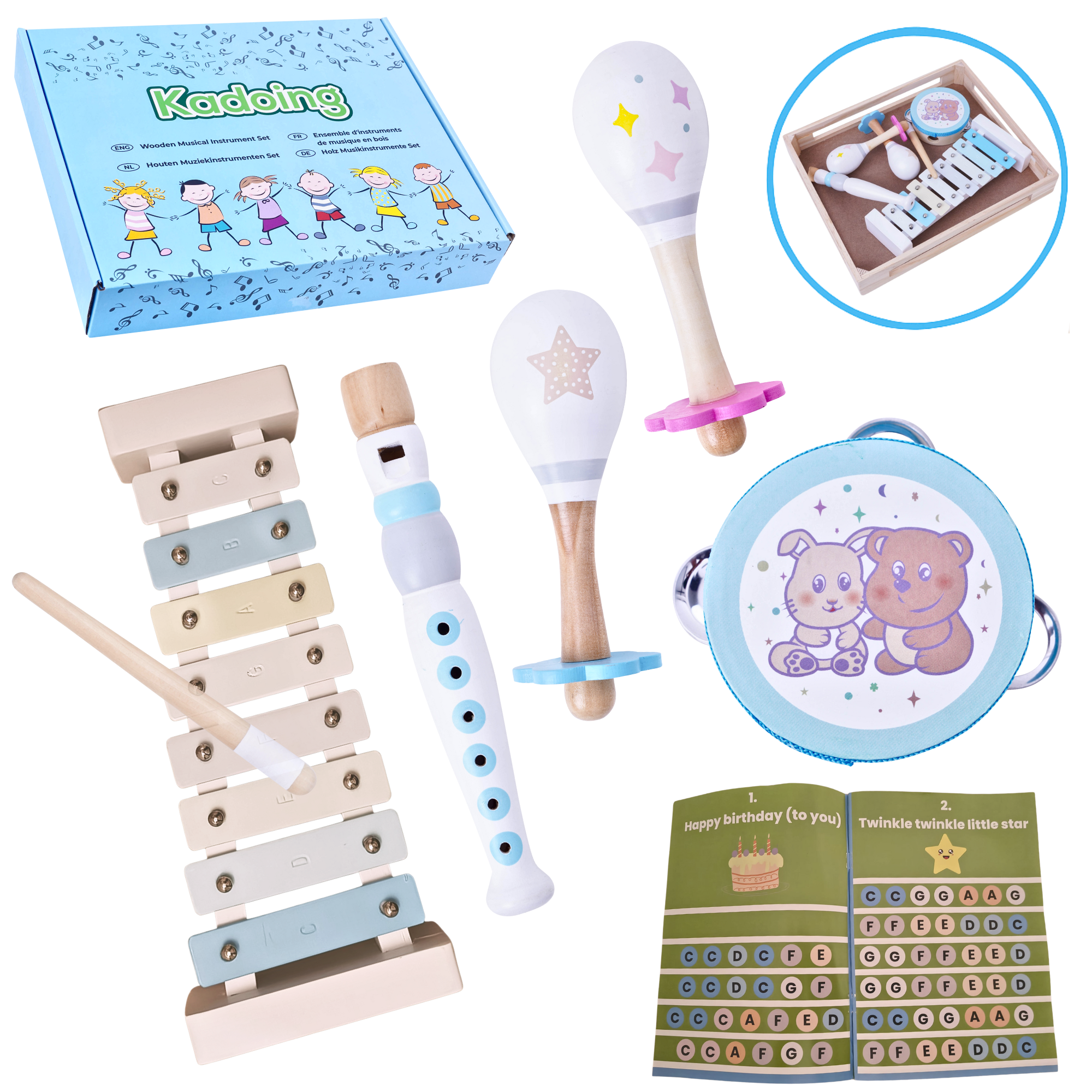
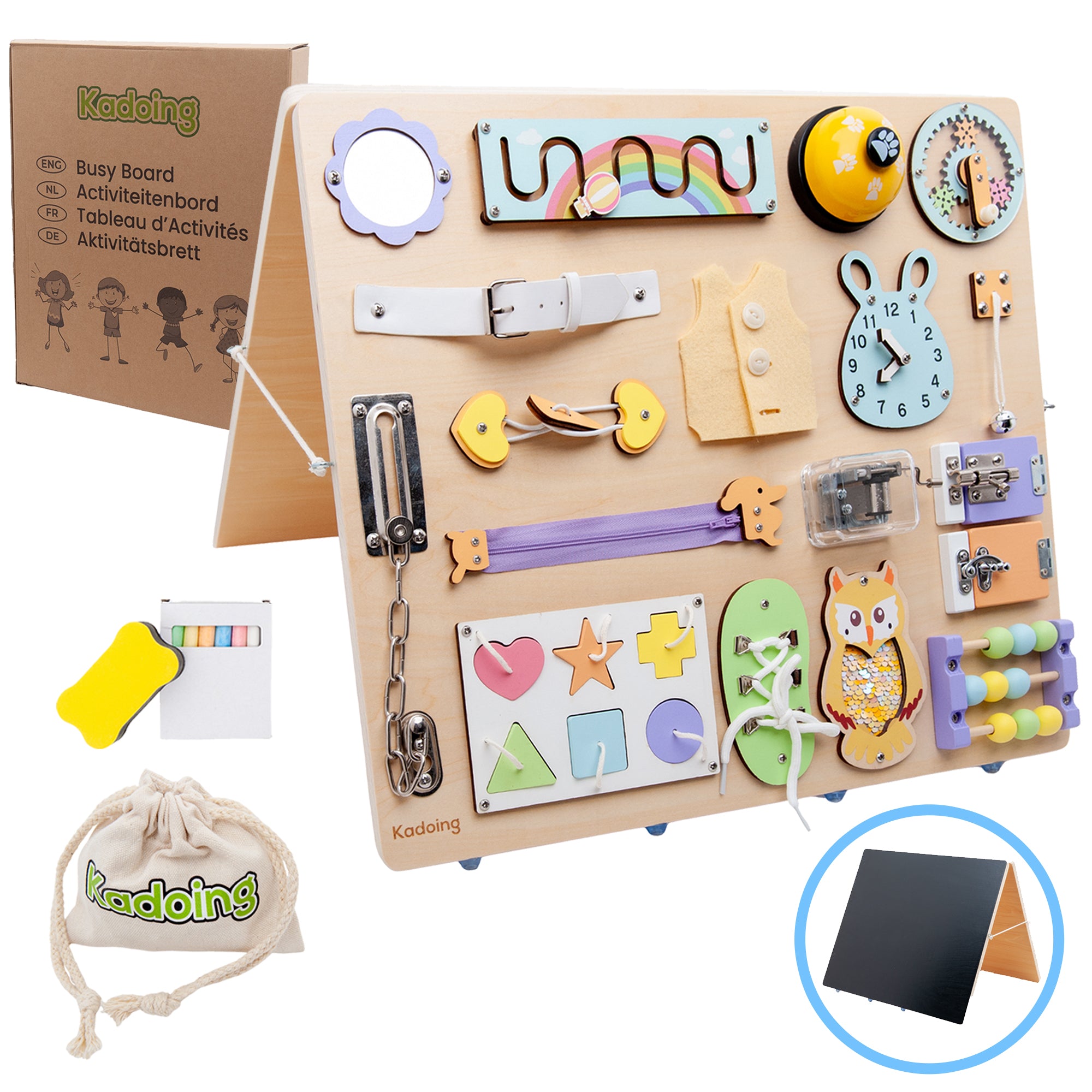
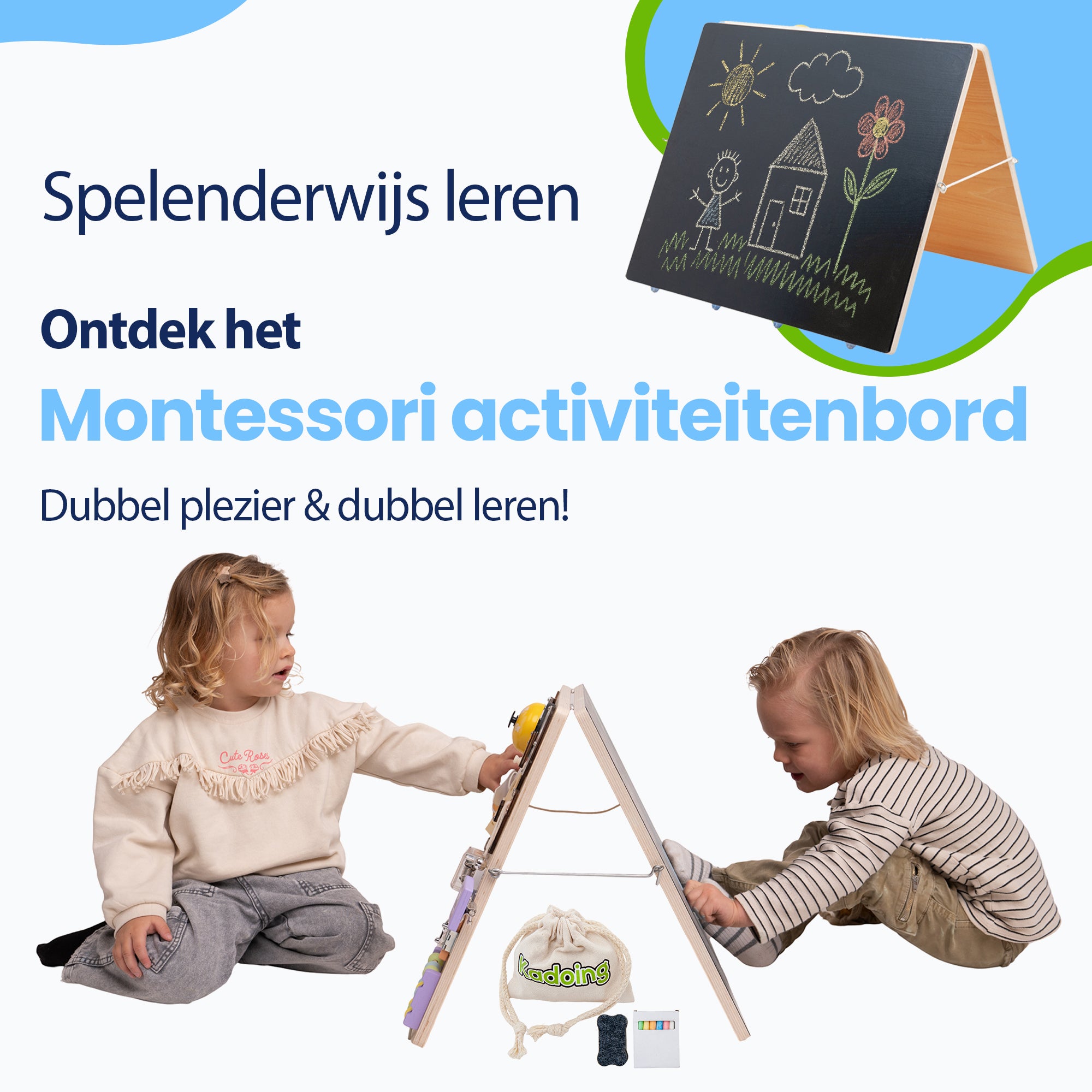
You can continue supporting this development at home. With durable wooden toys, children can keep exploring, building, collaborating, and using their imagination.
Tip 5: Keep goodbyes short and clear
For many parents, this may be the most difficult step. Saying goodbye can be emotional for both parent and child.
Explain beforehand what will happen. Clearly tell your child that you are leaving, but also that you will come back later. Give them a hug, wish them a great day, and keep the goodbye brief.
Lingering too long often makes separation harder. Most children settle more quickly once the school day has truly begun.
A healthy sleep routine supports a successful start
Starting primary school means adjusting to a new daily rhythm. Getting enough sleep helps children process new experiences and improves their concentration during the day.
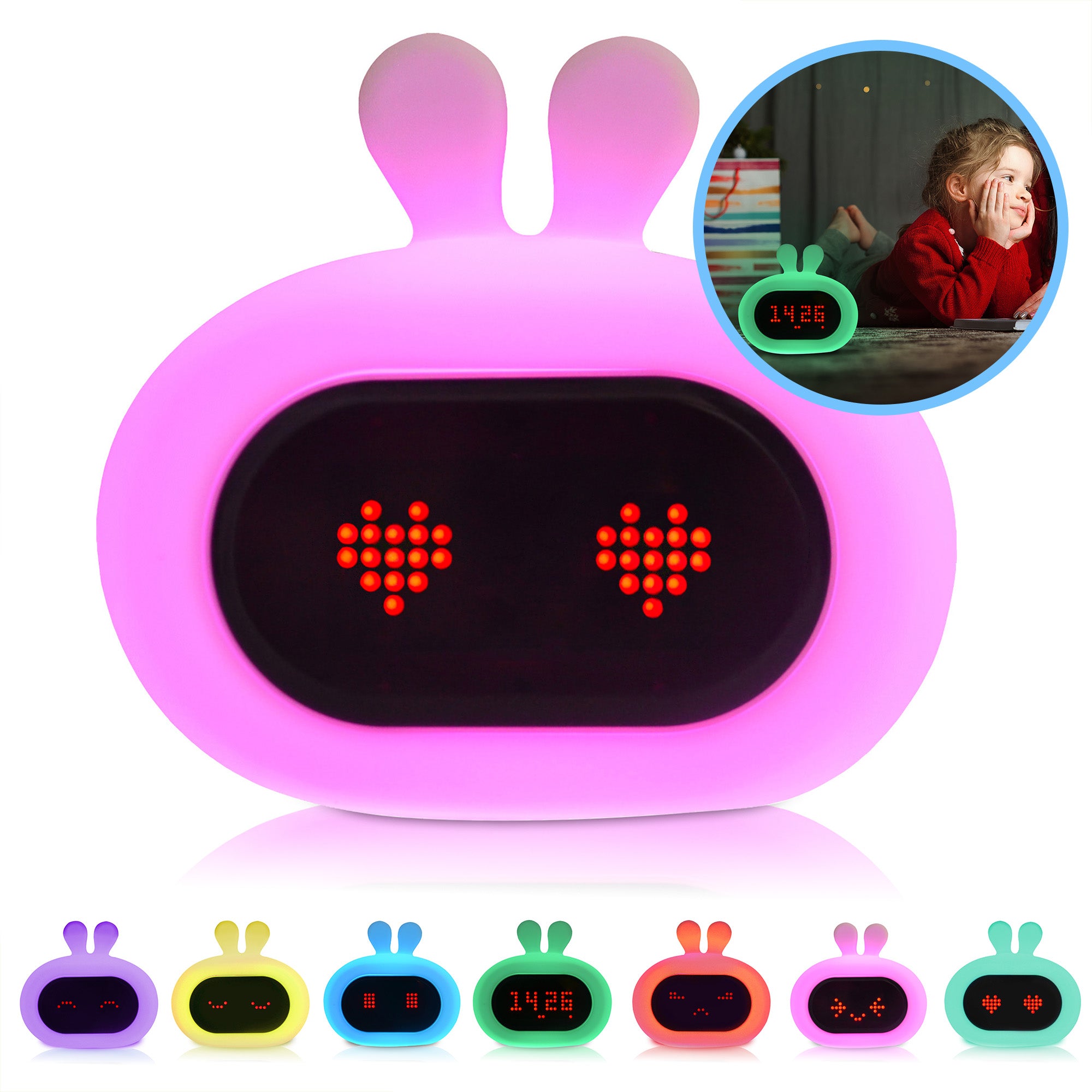
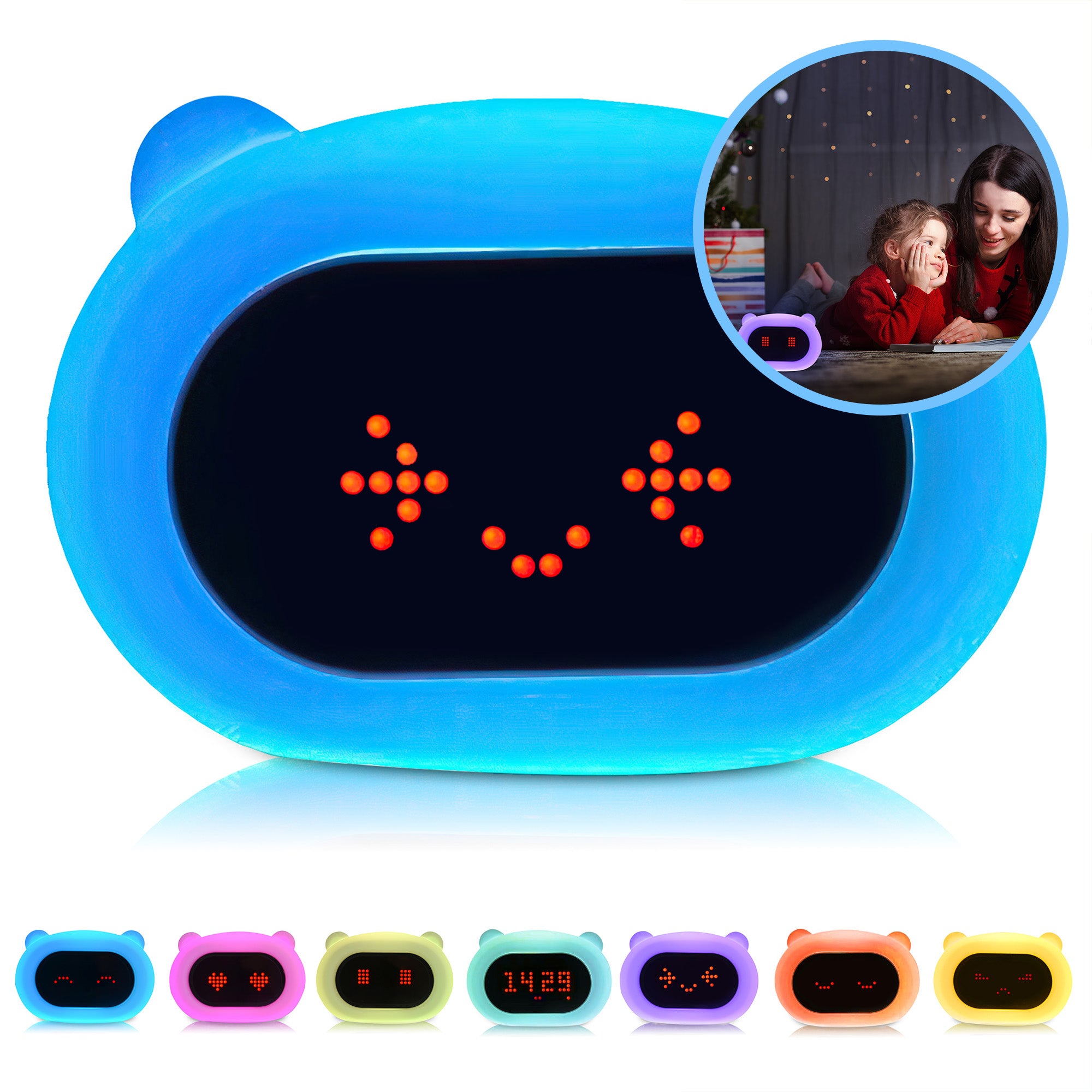
A consistent bedtime routine and clear sleep schedule can make a big difference. Many parents use a children's alarm clock or sleep trainer to help children understand when it is time to sleep and when it is time to wake up.
Give your child time to adjust
Not every child feels completely comfortable at school right away. Some children adjust within a few days, while others may need several weeks. Allow your child to adapt at their own pace.
Keep asking about their day, listen to their stories, and celebrate small successes. Making a new friend, creating a fun craft project, or hanging up their coat independently are all meaningful achievements.
A new chapter full of adventure
Primary school marks the beginning of a wonderful period filled with growth, friendships, and new experiences. With good preparation, plenty of positive encouragement, and a little patience, you can help your child get off to a flying start.
Is your child starting primary school soon? What are you both most excited—or nervous—about when it comes to this new adventure?