Falling in love is a natural part of growing up. Discover how childhood crushes work and how you can lovingly support your child through this special stage.
Childhood Crushes: Completely Normal
When children are young, they often say they want to marry their mom, dad, or favorite teacher when they grow up. As they get older, that changes. Suddenly, there is a classmate who seems just a little more special than everyone else.
For many parents, this is a memorable milestone. You may find yourself smiling when your child comes home with stories about a classmate, a Valentine's card, or their first "big love." But how does falling in love actually work for children? And how can you best respond as a parent?
What Is Falling in Love?
Falling in love is a combination of emotions, admiration, curiosity, and connection. For adults, romantic feelings and the desire for a relationship are often part of being in love. For children, it works a little differently.
For children, a crush usually means wanting to spend time together, thinking about someone often, or wanting to be near that person. It feels exciting, special, and fun, but it generally does not have the same meaning as romantic love in adulthood.
At What Age Do Children Start Having Crushes?
Children can say they "like" someone from a very young age. Often, this is more about admiration or a strong friendship. Around the age of seven or eight, many children begin to understand more about what having a crush means.
From that age, feelings may become stronger and children often show more interest in relationships, crushes, and the idea of having a boyfriend or girlfriend. Even then, these feelings are usually innocent and playful.
How Can You Tell If Your Child Has a Crush?
Every child experiences a crush differently, but there are several common signs:
- Talking frequently about the same person
- Paying extra attention to clothing or appearance
- Smiling when that person is mentioned
- Wanting to sit or play together often
- Acting shy or nervous
- Making drawings, notes, or crafts for someone
- Showing more interest in Valentine's Day or love-related topics
These feelings are a normal part of children's social and emotional development.
Why Crushes Are Important for Development
Having a crush helps children develop social skills. They learn how to deal with emotions, friendships, giving and receiving attention, and considering the feelings of others.
Crushes also provide valuable lessons about respect, empathy, and communication. Children discover that everyone has feelings and that those feelings are sometimes mutual—but sometimes they are not.
These experiences contribute to emotional growth and self-confidence.
How Parents Can Respond to Childhood Crushes
Your child's first crush can be exciting for both of you. Fortunately, there are many ways to guide your child positively through this experience.
Tip 1: Listen Without Judging
When your child talks about a crush, try to listen with curiosity. Avoid comments such as "You'll get over it" or "You're far too young for that."
By listening seriously, you show that their feelings matter. This helps strengthen trust between you and your child.
Tip 2: Take Their Feelings Seriously
What may seem small to an adult can feel enormous to a child. A first crush can bring up strong emotions. By acknowledging those feelings, you help your child understand and process them.
You could say things like, "I can see that you really like her," or "It sounds like he makes you very happy."
Tip 3: Teach Respectful Ways to Handle Feelings
A crush provides a wonderful opportunity to talk about respect, kindness, and boundaries. Explain that everyone has feelings and that it is important to treat those feelings with care.
This helps children learn that being kind, listening, and considering others are more important than trying to impress someone.
Tip 4: Talk About Rejection Too
Not every crush is returned, and that's a normal part of life. An unreturned crush can feel painful, even at a young age.
Help your child understand that rejection does not mean there is anything wrong with them. Everyone experiences it at some point. Talking openly about disappointment helps build resilience and self-confidence.
Tip 5: Respect Your Child's Privacy
If your child shares something about a crush, avoid turning it into a joke with family members, friends, or classmates. What seems funny to adults can feel embarrassing to a child.
Respecting your child's privacy creates a safe environment where feelings can be discussed openly.
What If Your Child Has a Broken Heart?
A first disappointment in love can feel surprisingly intense. Perhaps a friend no longer wants to play together, a classmate moves away, or the feelings are not mutual.
Give your child space to feel sad. Listen, comfort them, and avoid trying to solve the problem immediately. Often, simply feeling heard makes a huge difference.
With time, attention, and enjoyable distractions, the sadness usually fades naturally.
Learning to Understand and Process Emotions
Crushes, happiness, sadness, and disappointment are all part of growing up. By helping children recognize and name their emotions, you support the development of important social and emotional skills.
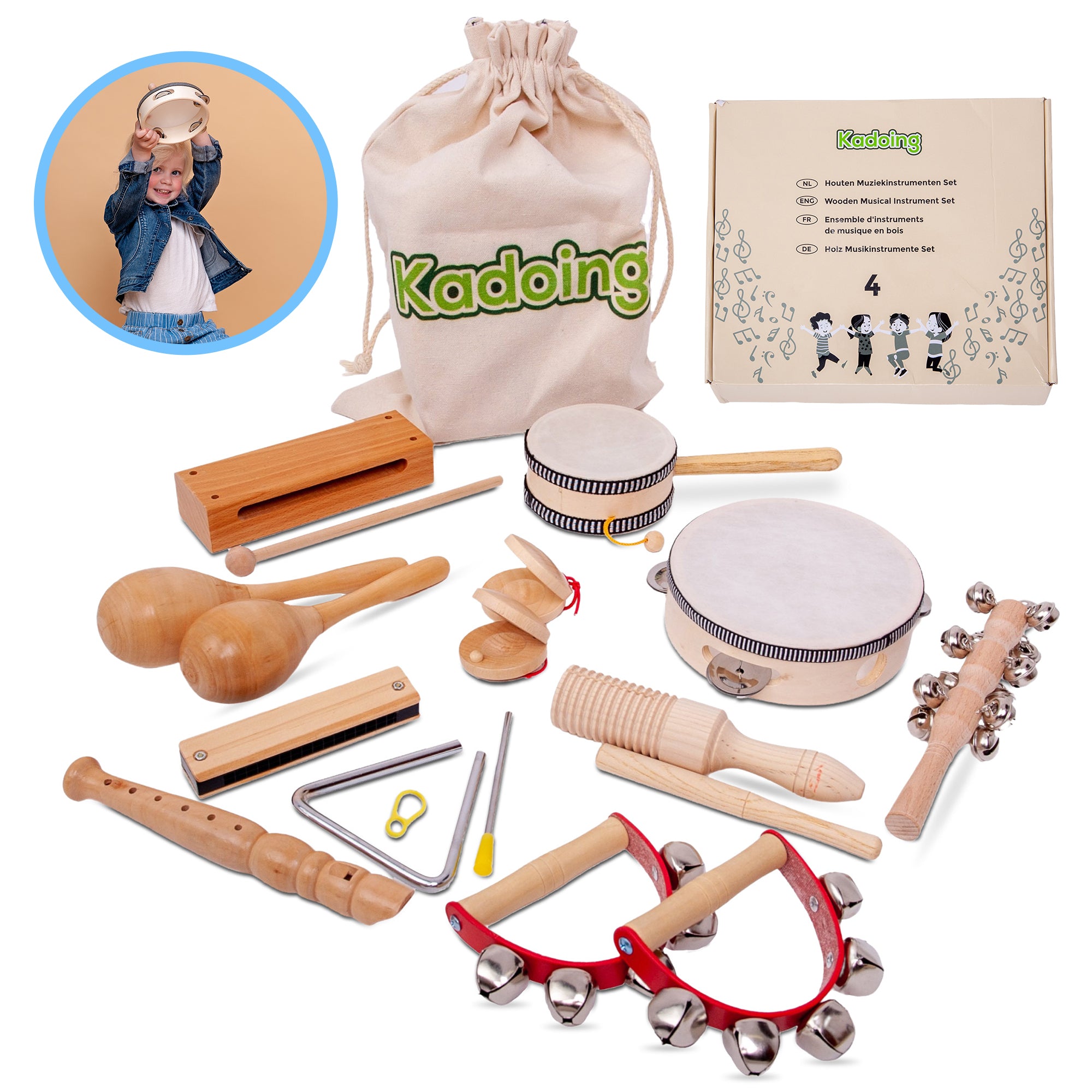
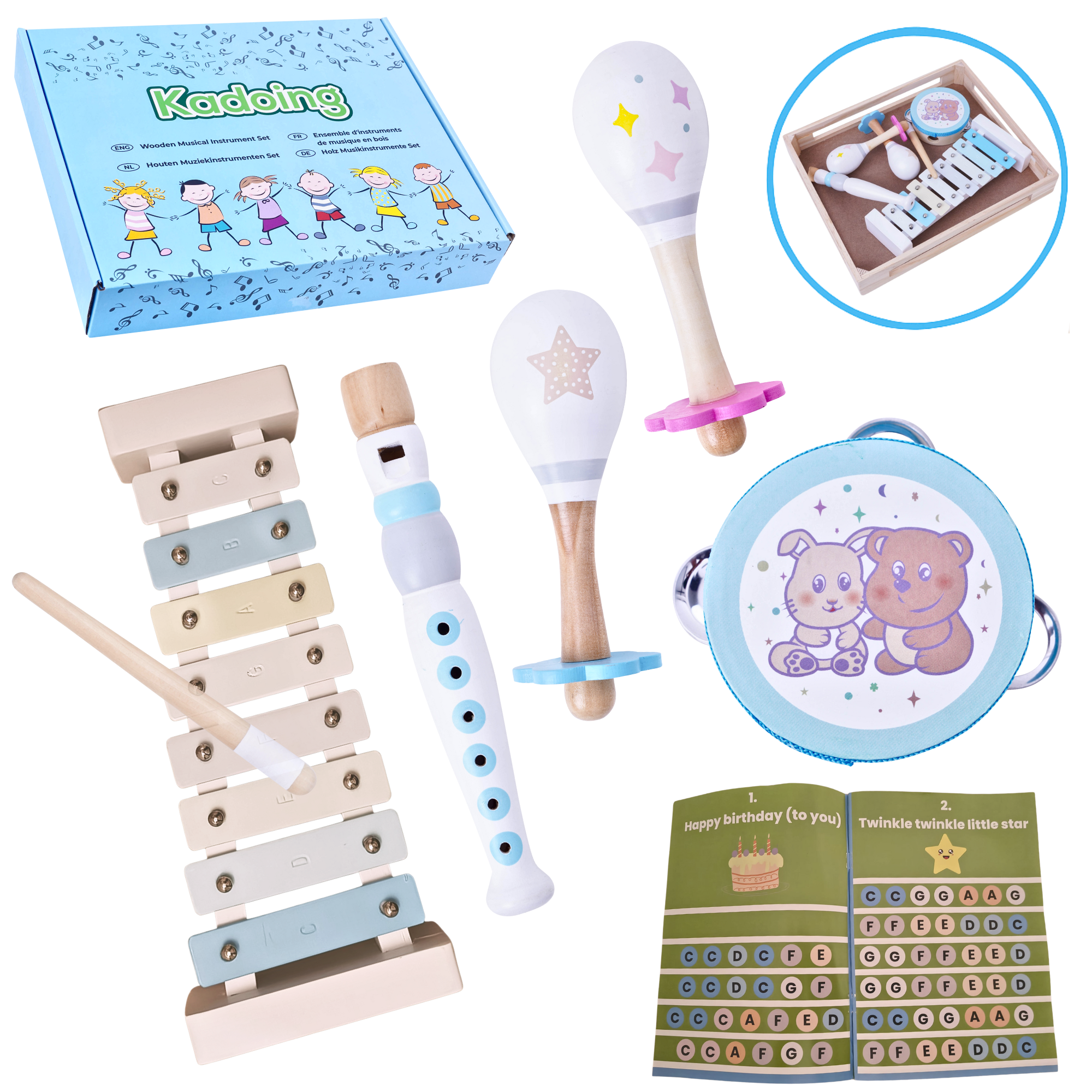
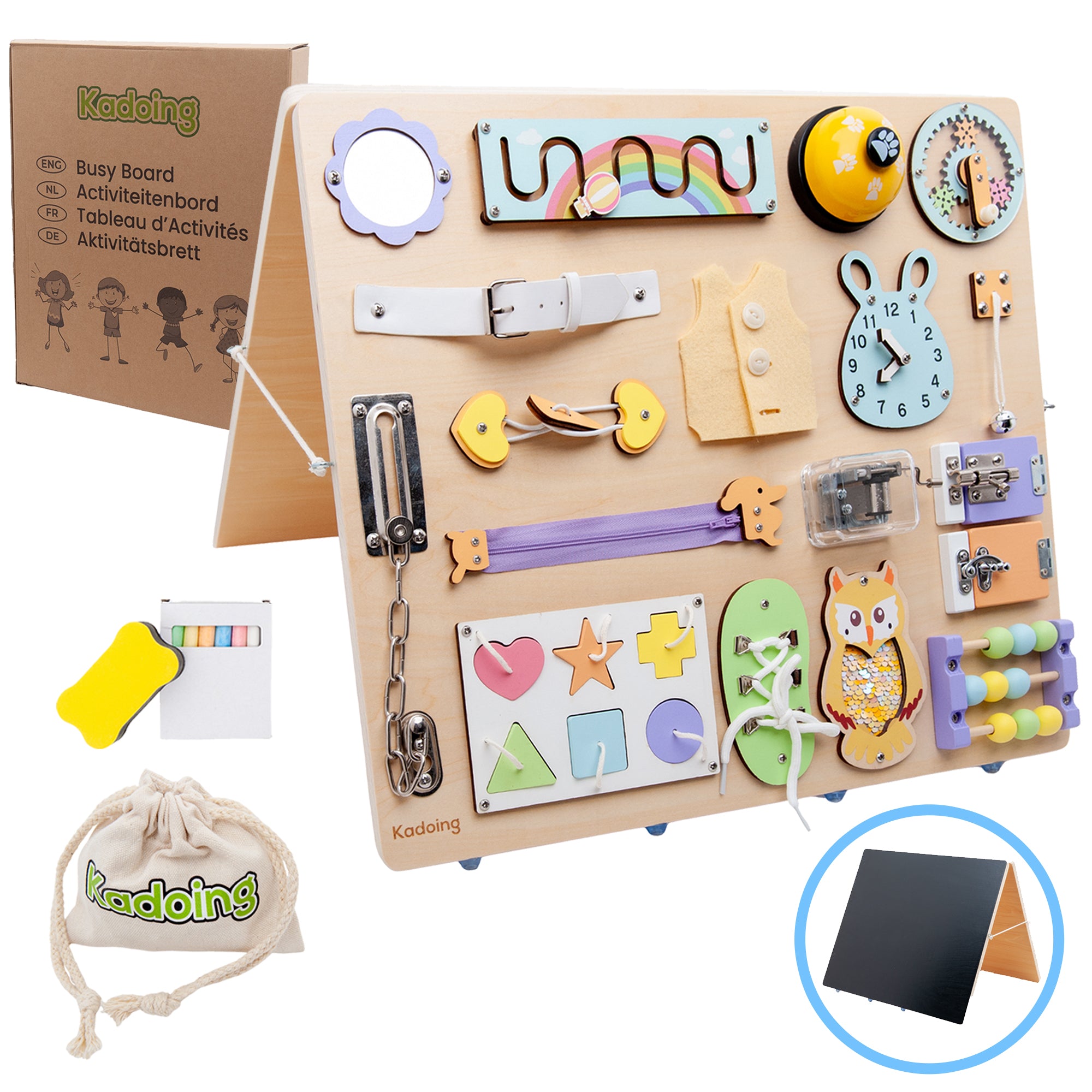
Creative activities, playing together, and open conversations can all help. Explore our collection of durable wooden toys, which encourage children to discover, cooperate, and develop their imagination through play.
Falling in Love Is Part of Growing Up
A first crush is often a special milestone. It gives children an opportunity to learn more about feelings, friendship, respect, and themselves.
At Kadoing, we believe children grow through positive experiences, play, and a safe environment. Whether it's a first step, a new friendship, or a first crush, every child develops at their own pace.
Would you like to read more about parenting, emotions, and child development? Take a look at our latest blogs or browse our blog archive.
Do you still remember your very first crush? Happy Valentine's Day!