The transition to primary school is exciting. With the right preparation, you can help your child start this new adventure with confidence.
A Big Step for Little Children
The move from preschool to primary school is a special milestone. For many children, it means a new environment, new faces, new rules, and a different daily routine. This often makes the first weeks of school exciting, but also incredibly educational.
As a parent, you play an important role during this transition. By preparing your child well and showing confidence, you can help reduce uncertainty and increase curiosity.
When Do Children Start Primary School?
In the Netherlands, children can start primary school from their fourth birthday. Most children then begin in the equivalent of Reception or Kindergarten, although exact starting arrangements may differ between schools.
Before that, many children have already gained experience at preschool, daycare, or early education programs. Even so, starting primary school often remains a significant change. The days become longer, the groups become larger, and new expectations are introduced.
How Does This Transition Feel for a Child?
For adults, starting school may seem like a natural step, but for a child, many things change at once. Some children can't wait to make new friends, while others are more hesitant.
It is completely normal for children to experience different emotions. Excitement, curiosity, nervousness, and uncertainty can all be present at the same time.
Saying goodbye during the first few weeks can also be challenging. While one child immediately feels comfortable, another may need more time to feel safe and secure.
What New Challenges Come with Starting School?
At school, children learn much more than letters and numbers. They also develop important social and practical skills.
For example, they learn to:
- Work together with other children.
- Listen to instructions.
- Wait for their turn.
- Complete tasks independently.
- Adapt to new rules and routines.
- Resolve conflicts and consider the feelings of others.
Children are also introduced to early activities related to language, mathematics, colours, shapes, and logical thinking. Fortunately, in the first year of primary school, most of this learning takes place through play.
5 Ways to Prepare Your Child for Primary School
1. Talk About What Will Happen
Children often feel more confident when they know what to expect. Talk positively about school and explain what a typical school day looks like, what they will do, and who they might meet.
Try to be honest. You don't need to tell them everything will always be fun, but emphasize that learning new things can be both exciting and enjoyable.
2. Visit the School in Advance
Many primary schools organize introductory sessions or familiarisation days. Take advantage of these opportunities whenever possible.
Walking through the hallways together, seeing the classroom, and meeting the teacher can make the environment feel much more familiar.
What initially seemed unknown often feels far less intimidating after a visit.
3. Practice Independence at Home
At school, children are expected to do more things on their own. This includes putting on their coat, carrying their bag, getting their own cup, or tidying up toys.
Practicing these skills at home helps build confidence. Small successes can make a big difference.
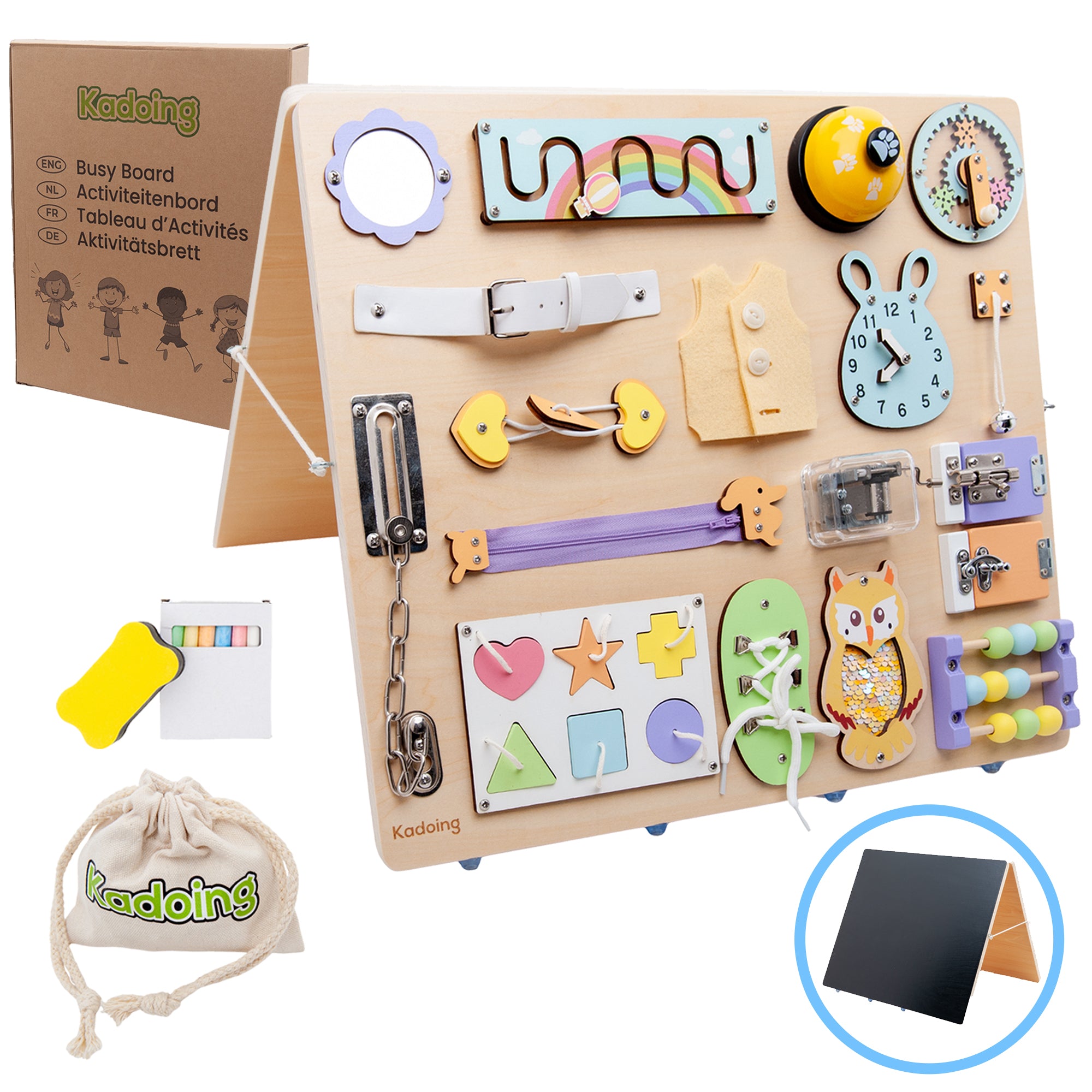
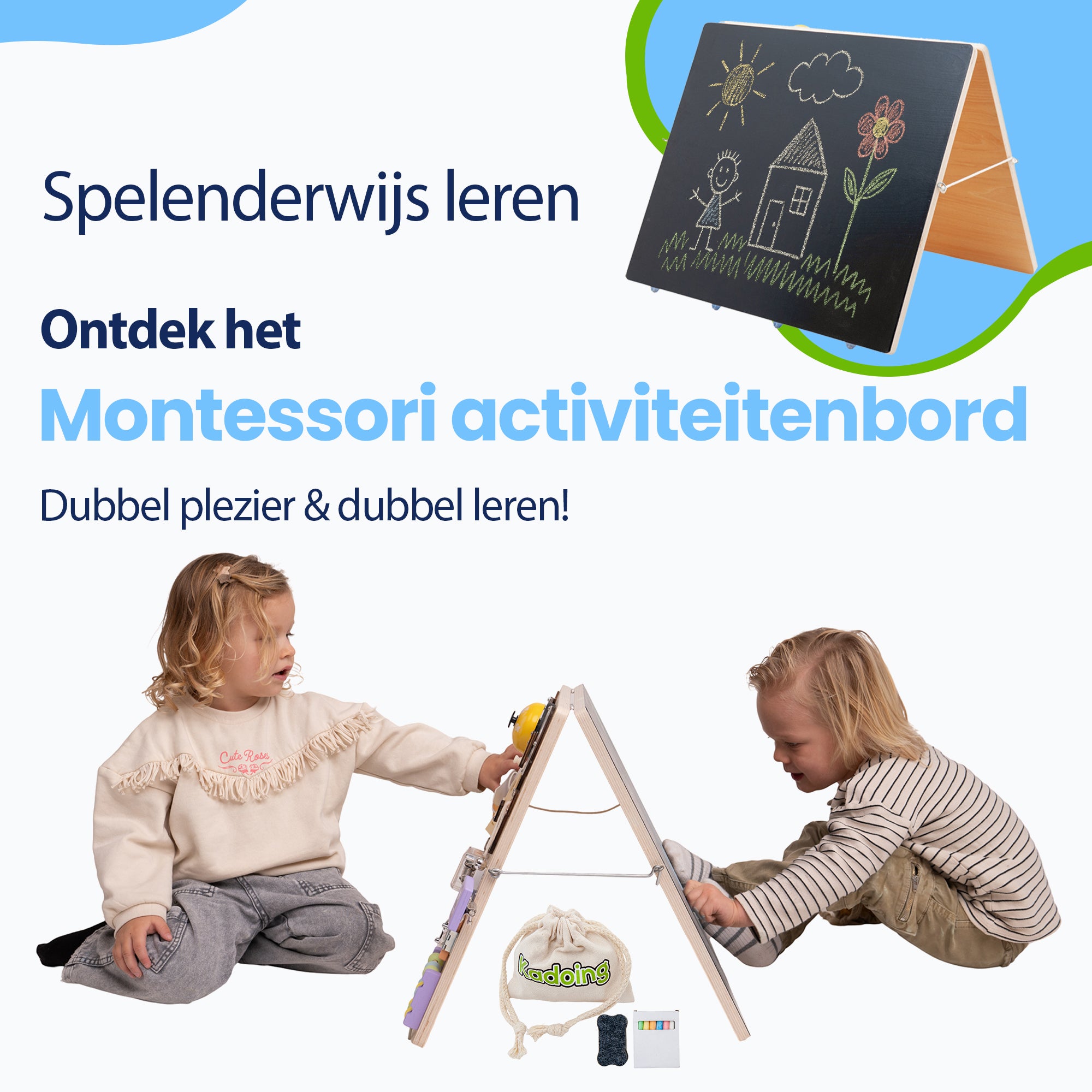
Activities that encourage children to explore and practice independently can be very helpful. For example, a Montessori activity board fits perfectly with this stage of development.
4. Establish a Consistent Daily Routine
A predictable routine gives children a sense of security. A few weeks before school starts, begin introducing regular times for waking up, meals, and bedtime.
When children start school well-rested, they can process new experiences more easily and concentrate better.
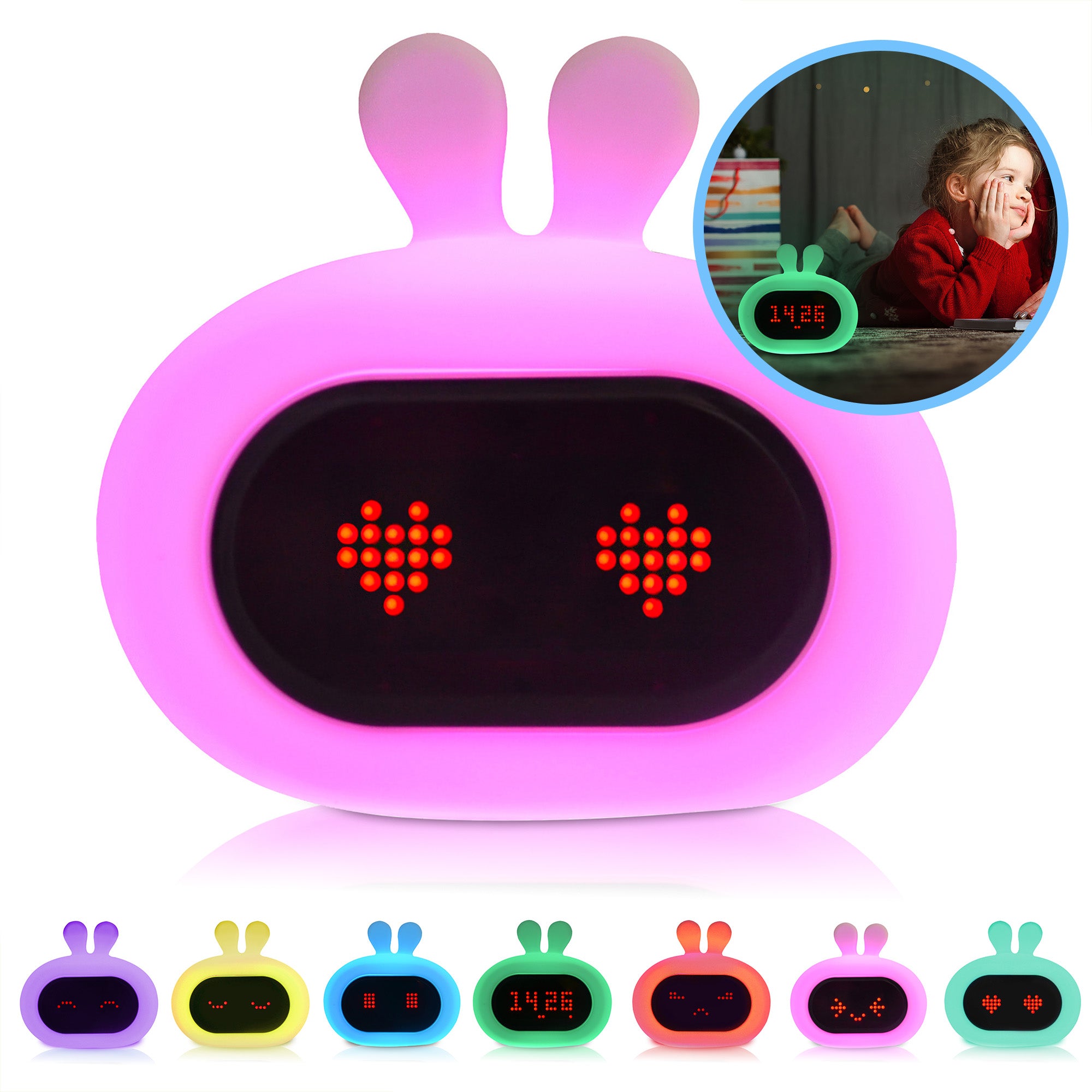
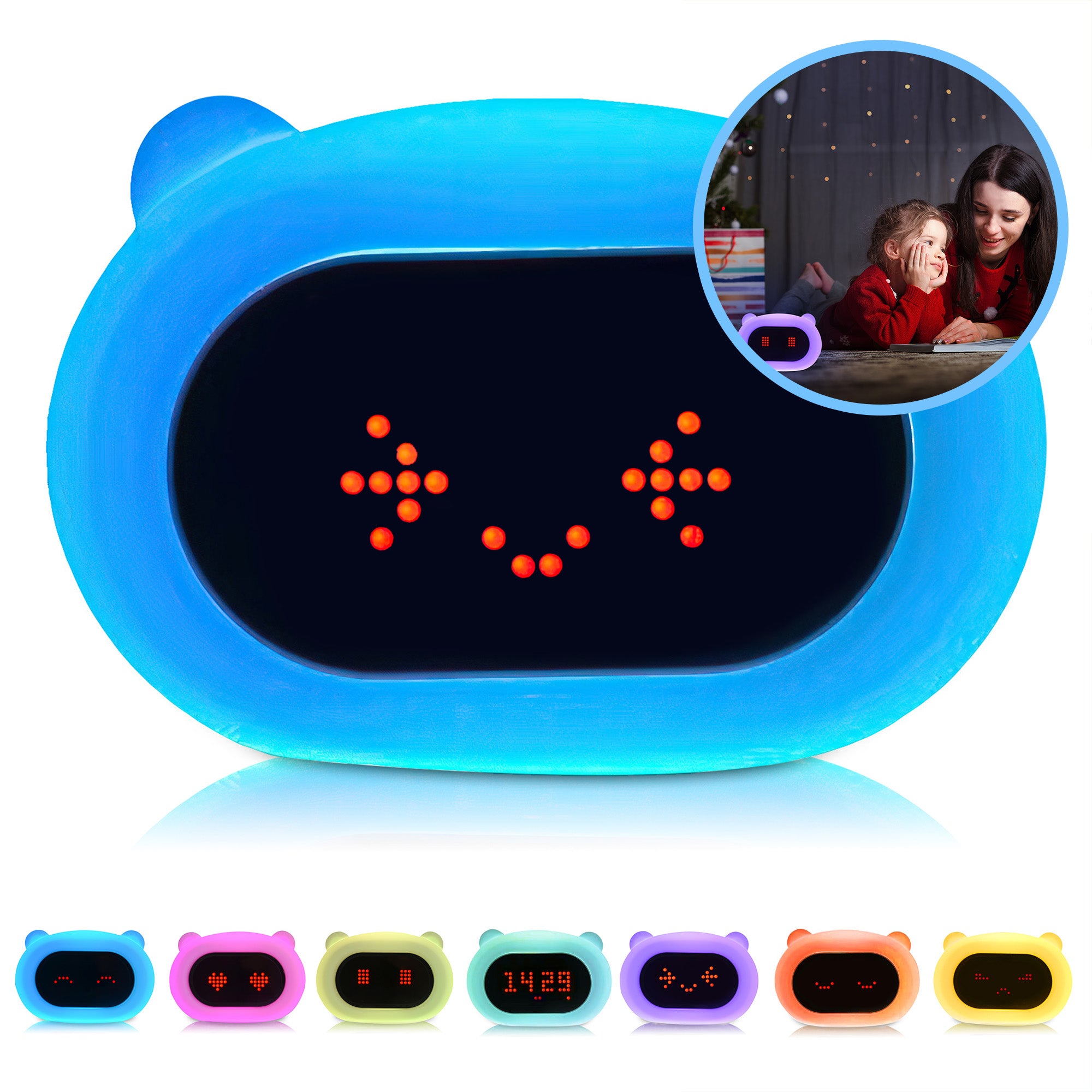
For families working on a consistent sleep and wake-up schedule, a children's alarm clock or sleep trainer can help make the daily routine more visual and understandable.
5. Give Confidence, Not Pressure
Children are often very sensitive to how their parents feel. When you show confidence, your child will often adopt the same attitude.
Try not to place too much emphasis on achievements or expectations. The first period is mainly about settling in, exploring, and having fun.
Compliment effort, courage, and curiosity. This helps children develop a positive attitude toward school.
The First Weeks at School
Even after the first school day has passed, your involvement remains important. Ask about their day, listen to their stories, and show interest in their experiences.
Some children tell you everything immediately, while others only start talking about their day during dinner or before bedtime. Give them the space to share in their own way.
Changes in behaviour, tiredness, or emotions are often completely normal during this period. After all, children are processing a lot of new information.
A New Phase Full of Growth and Discovery
Starting primary school marks the beginning of a new chapter. It is a time when children become more independent, build new friendships, and learn something new every day.
Although the first day of school can feel exciting, children often adapt much faster than parents expect. With good preparation, a familiar routine, and plenty of encouragement, you can give your child a strong foundation to take this new step with confidence.
Before you know it, your child will come home with stories about new friends, creative projects, and adventures you'll remember together for years to come. For more inspiration about parenting, child development, and school-age children, visit our latest blogs and articles.