Starting primary school for the first time is a big step. With these tips, you can help your child prepare in a calm and positive way.
There comes a moment when your child goes to primary school for the very first time. It marks the beginning of a new phase filled with growth, independence, friendships, and new routines. For children, this can be exciting, but for parents it can also take some adjustment. What should you consider when choosing a school? When should you register your child? And how can you prepare them for their first day at school?
A new chapter for both child and parent
Primary school is often the first place where children spend extended periods of time without their parents. They learn new rules, meet classmates, follow a daily routine, and discover more about the world around them.
It is completely normal for children to feel excited, nervous, or a combination of both. Good preparation can help make this transition much smoother.
Choosing a primary school
The first step is selecting a primary school that fits your family and meets your child's needs. Start exploring your options early so you have enough time to compare different schools.
Consider factors such as:
- the atmosphere and culture of the school;
- the distance from your home;
- the school's educational philosophy;
- class sizes;
- communication with parents;
- before-school and after-school care options.
Attend open days, browse school websites, and talk to other parents in your area. If possible, bring your child along so they can experience the environment firsthand.
Registering for primary school: start early
Many parents underestimate how early the registration process can begin. Especially in larger cities or popular neighborhoods, schools may have waiting lists or specific admission procedures.
Contact local schools well in advance and ask about registration ages, requirements, and any lottery systems that may be in place. This helps you avoid surprises and gives you more time to make an informed decision.
Think about childcare arrangements too
Primary schools often have different schedules. Some children finish around 2:00 PM, while others attend schools with different timetables. That is why it is wise to think ahead about childcare arrangements.
Will you need after-school care? Can grandparents help out? Or can work schedules be adjusted to fit school hours? Planning these details in advance can prevent unnecessary stress once school begins.
Preparing your child for the first day of school
Children often feel more confident when they know what to expect. Try introducing the idea of school gradually.
You can:
- practice the route to school together;
- walk past the playground;
- talk about what happens during a school day;
- choose a lunchbox or backpack together;
- read books about starting school;
- take advantage of orientation or trial days if the school offers them.
These activities make school feel more familiar and help build your child's confidence.
Play remains important at school
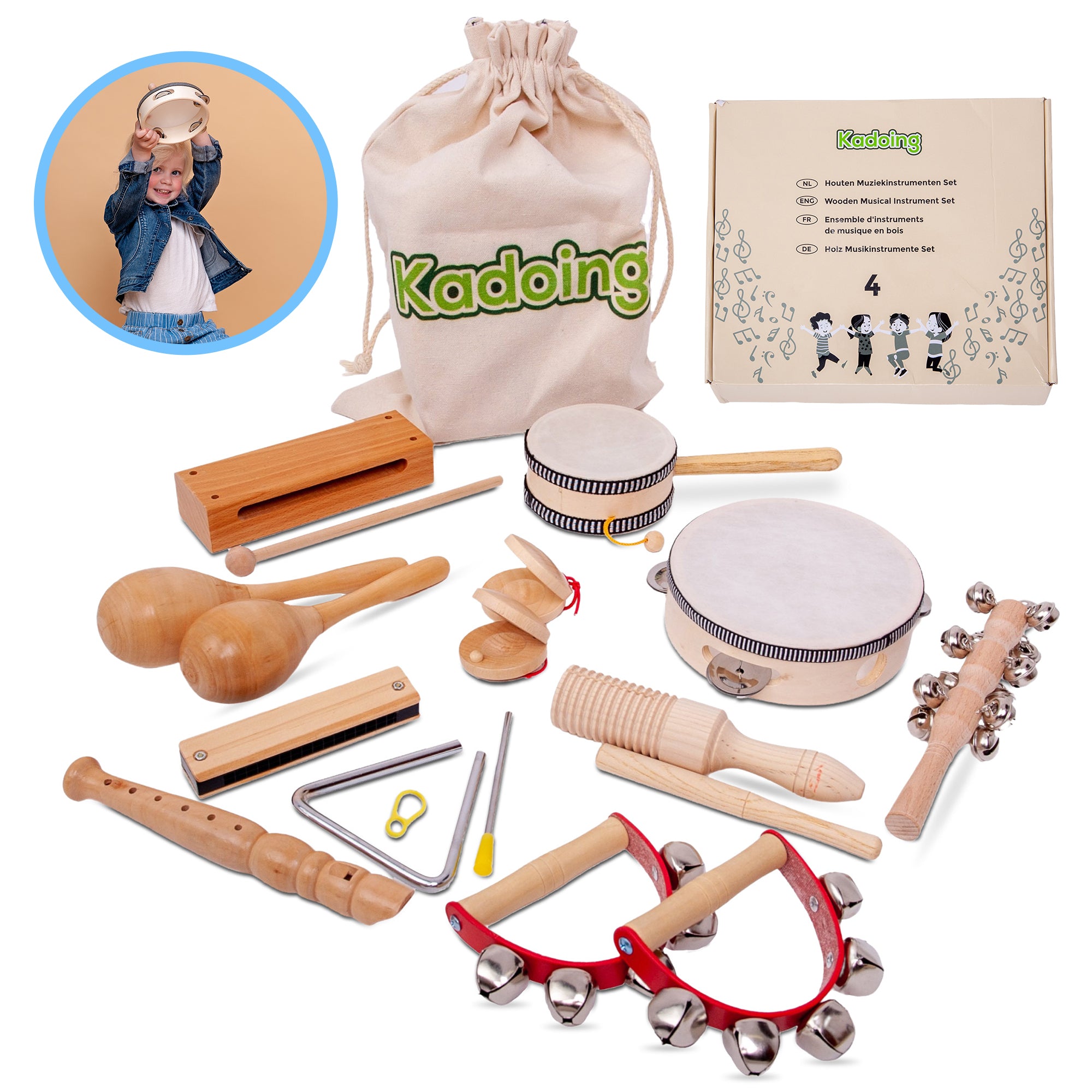
In the early years of primary school, children still learn a great deal through play. Play supports language development, motor skills, social abilities, imagination, and problem-solving skills.
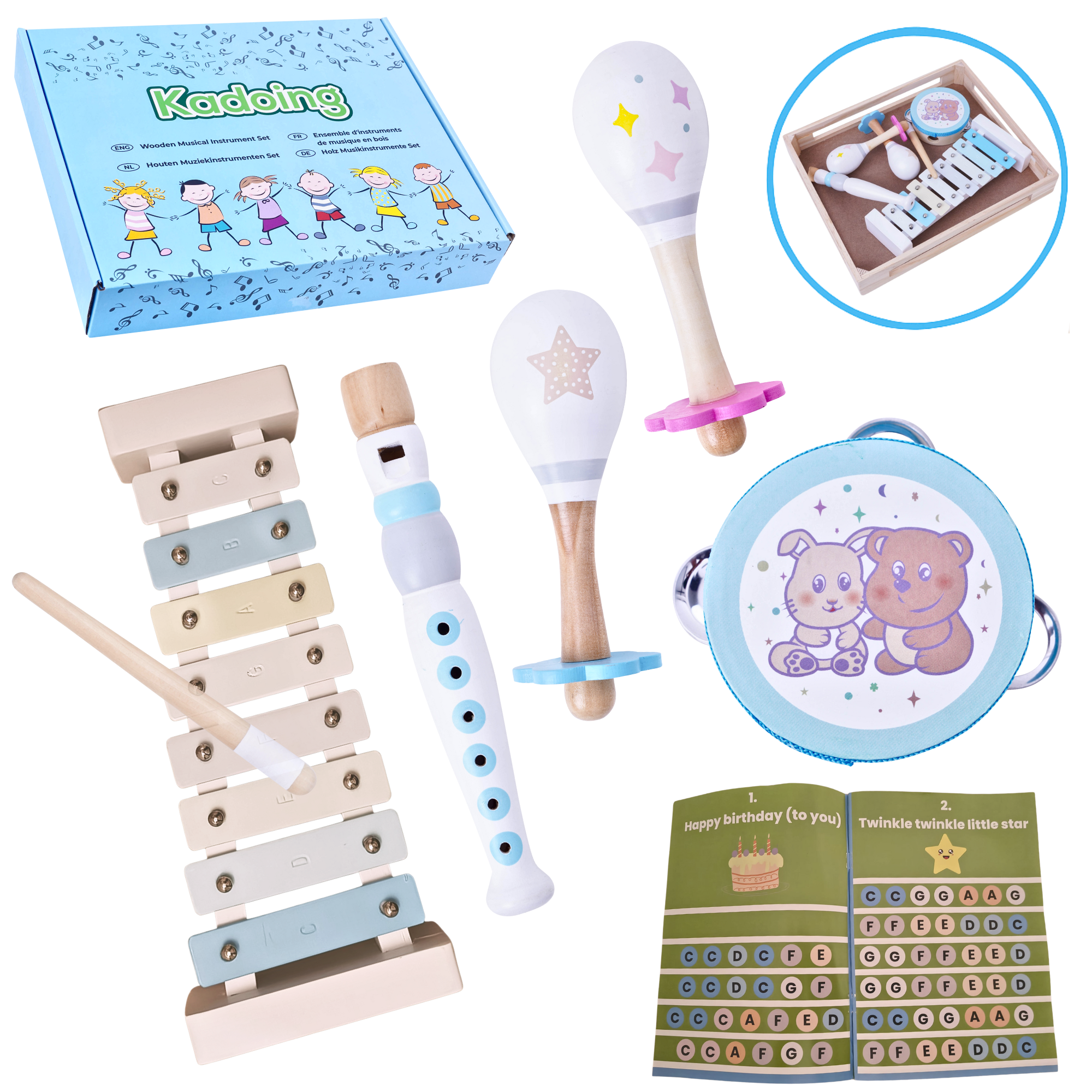
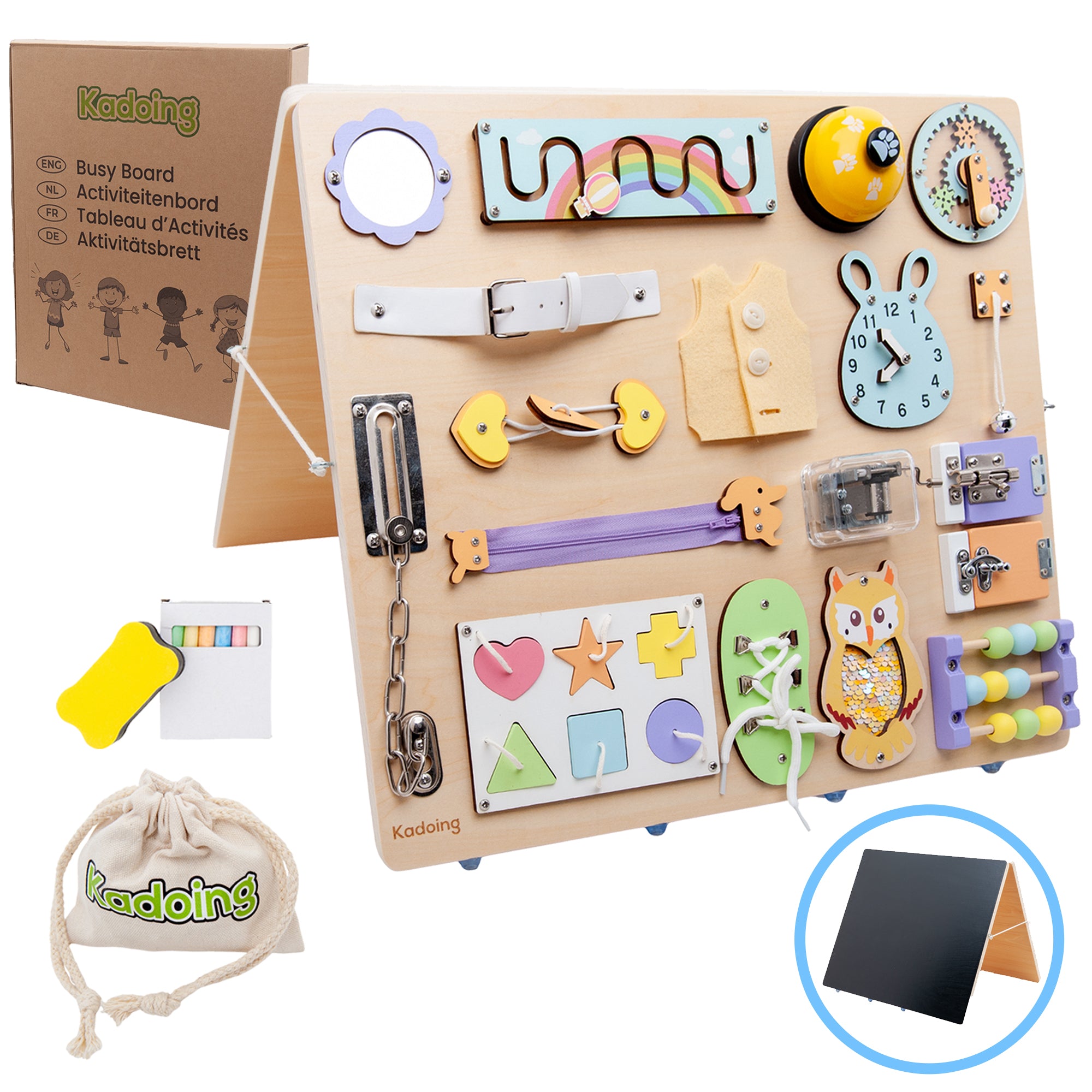
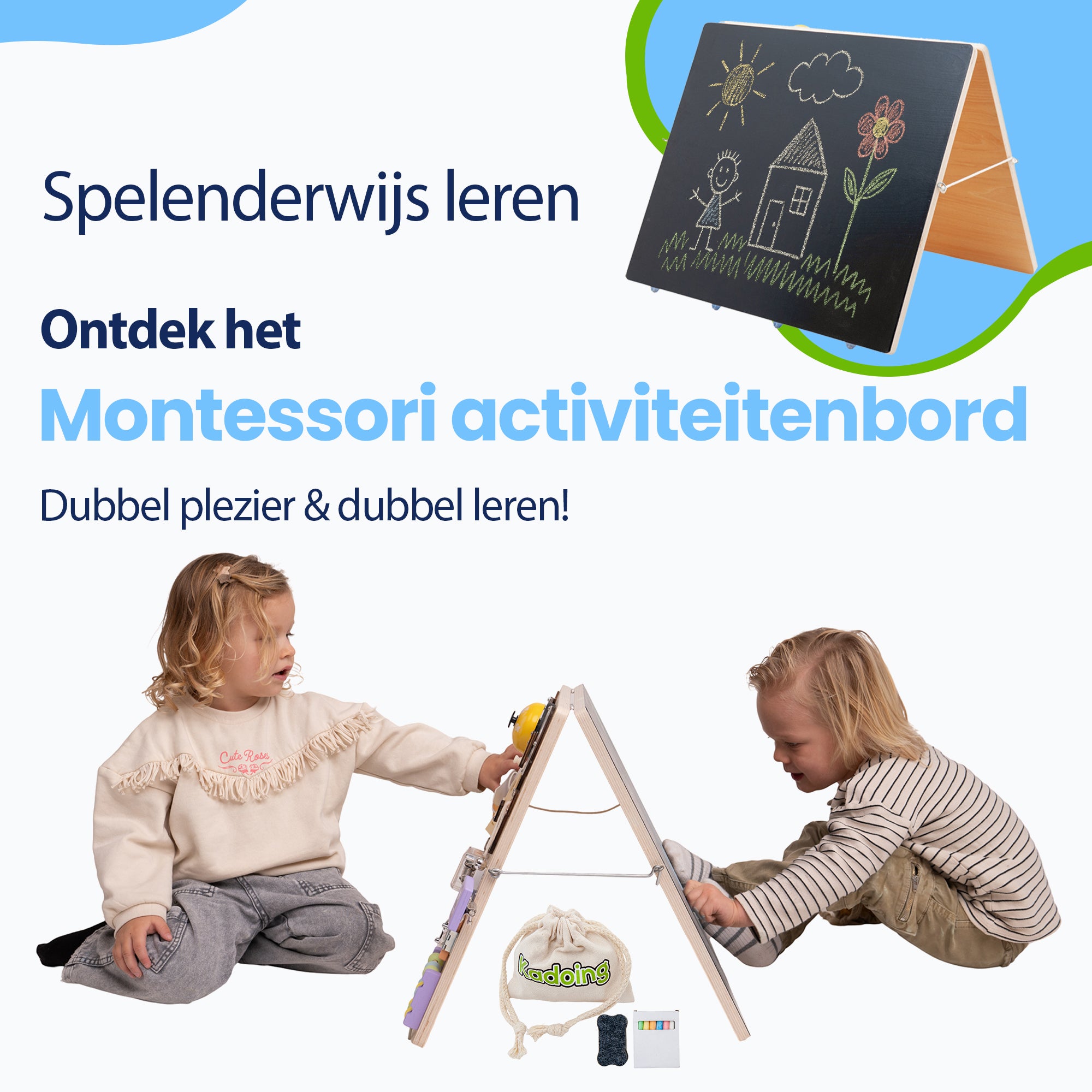
You can continue encouraging this development at home. With durable wooden toys, children can build, explore, and express their creativity through play.
Saying goodbye at school
The first few goodbyes can be difficult—for both your child and you as a parent. Explain beforehand what will happen: you will bring your child to school, give them a hug, and return later to pick them up.
Keep goodbyes short, clear, and loving. Try not to linger too long, even though that can sometimes be difficult. When you show confidence, your child is more likely to feel reassured as well.
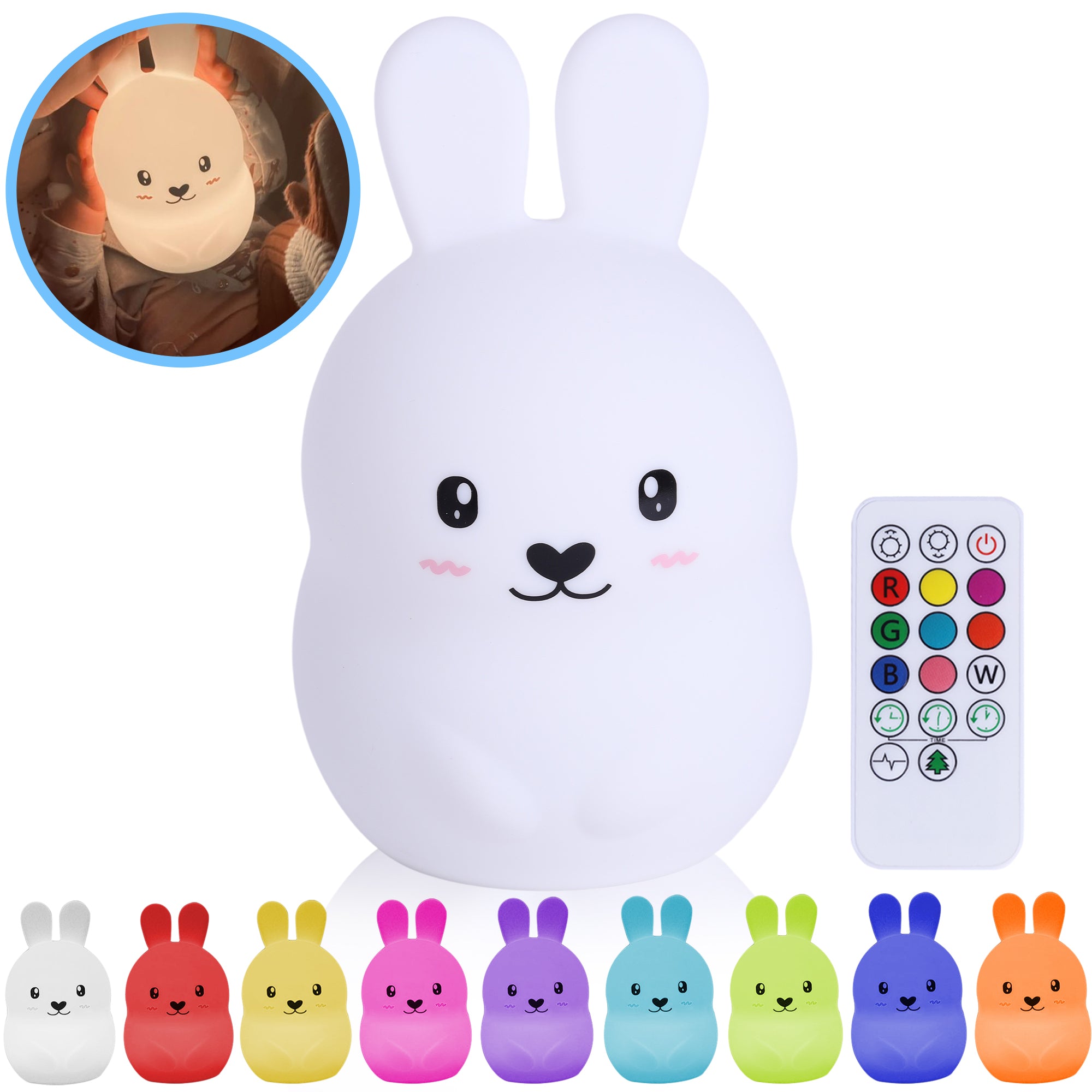
For children who need a little extra comfort, bringing something familiar from home can help. A small cuddly toy in their backpack can provide reassurance. You can explore our collection of soft plush toys for children for extra comfort during exciting moments.
A good routine helps children adjust
Starting primary school requires a lot of energy. New experiences, rules, and social situations can be tiring. A consistent daily routine helps children process everything more easily.
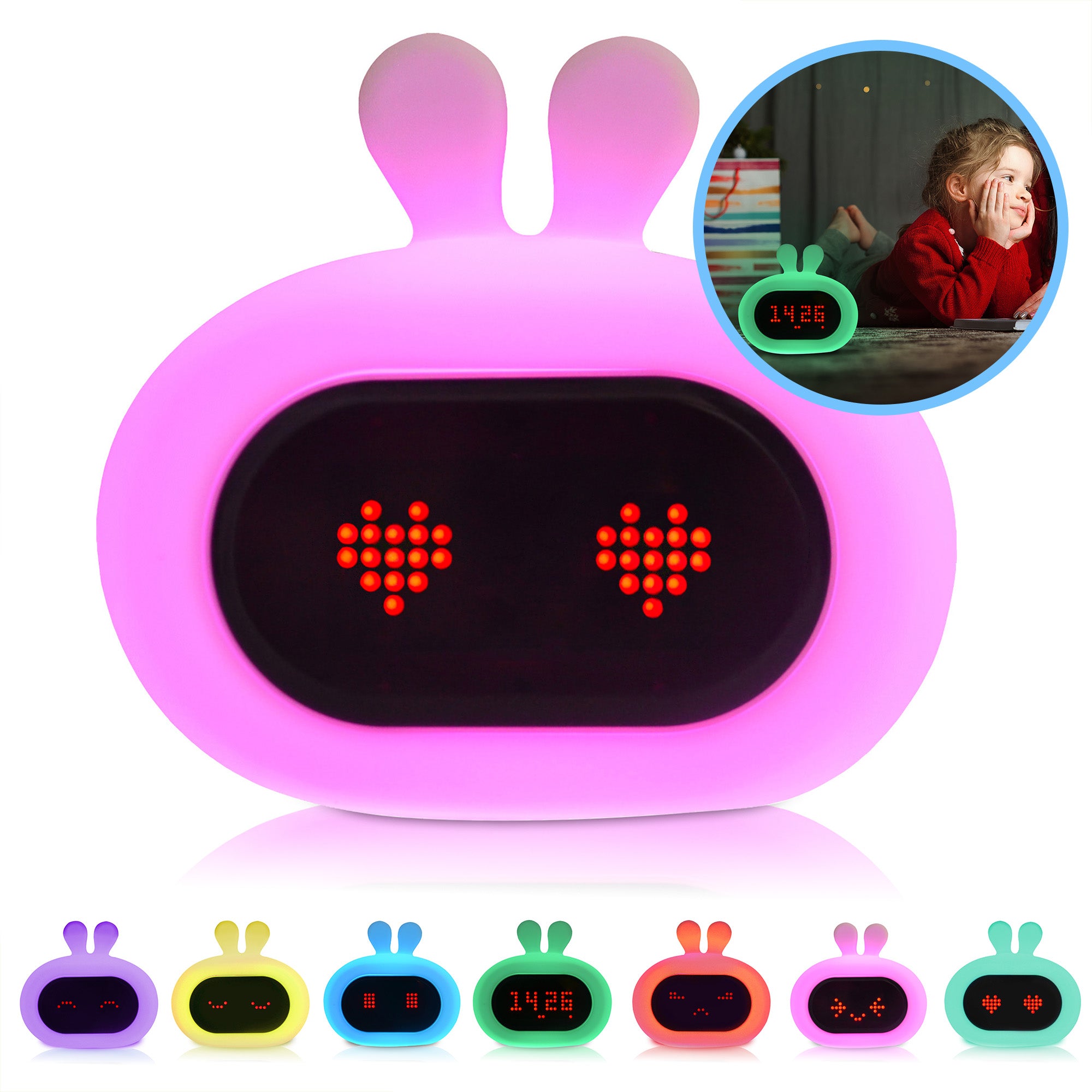
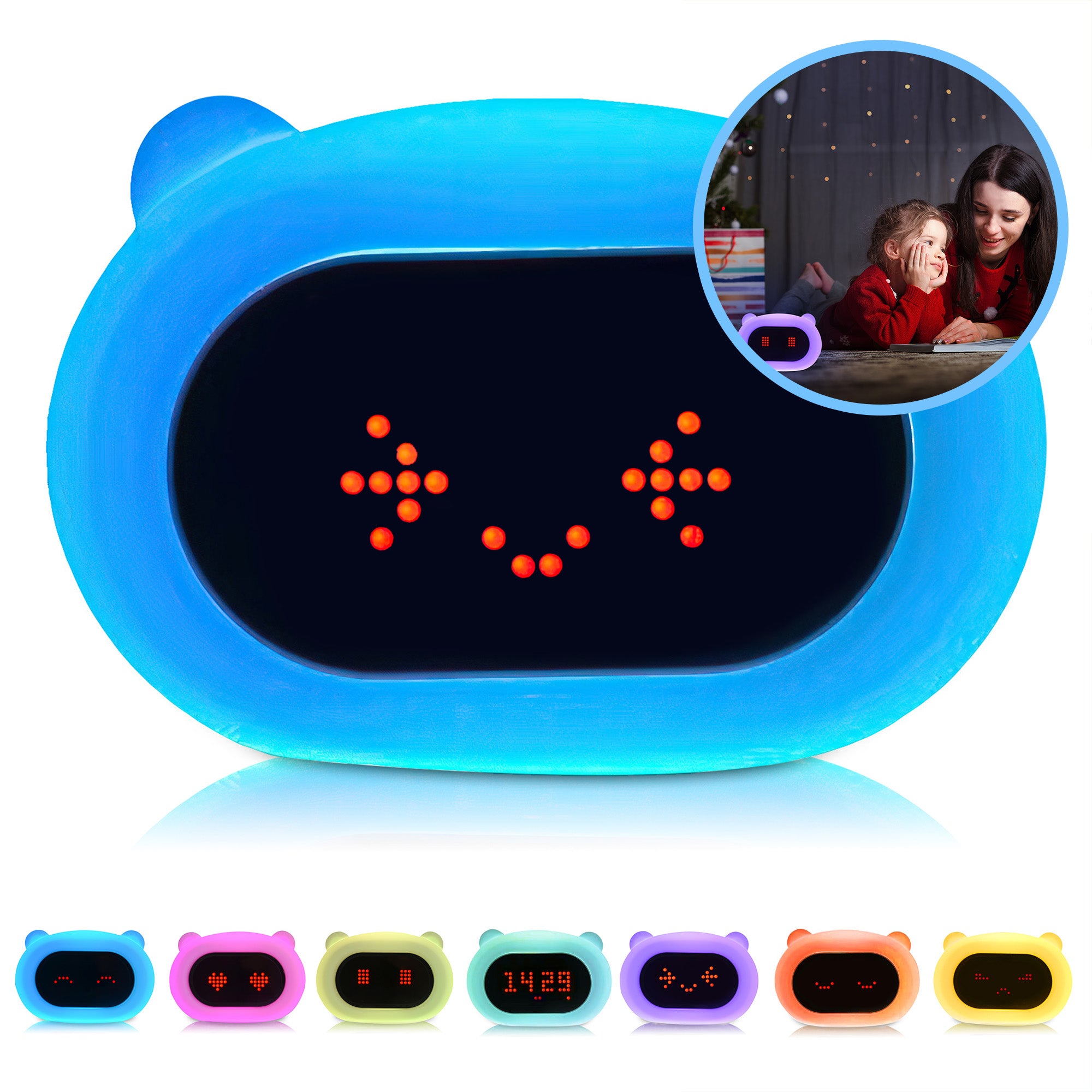
Make sure your child gets enough sleep, enjoys calm mornings, and follows a predictable evening routine. A children's alarm clock or sleep trainer can help children understand when it is time to sleep and when it is time to wake up.
Give your child time to adjust
Not every child feels completely comfortable at school right away. Some children adjust within a few days, while others may need a few weeks. This is perfectly normal.
Continue listening to your child's stories after school, ask open-ended questions, and celebrate small successes. Making a new friend, hanging up their coat independently, or participating in group activities are all meaningful achievements.
Starting primary school for the first time
The first day of school is a milestone for the entire family. With good preparation, clear routines, and plenty of confidence, you can help your child experience this new chapter in a positive way.
Is your child starting primary school soon for the very first time?