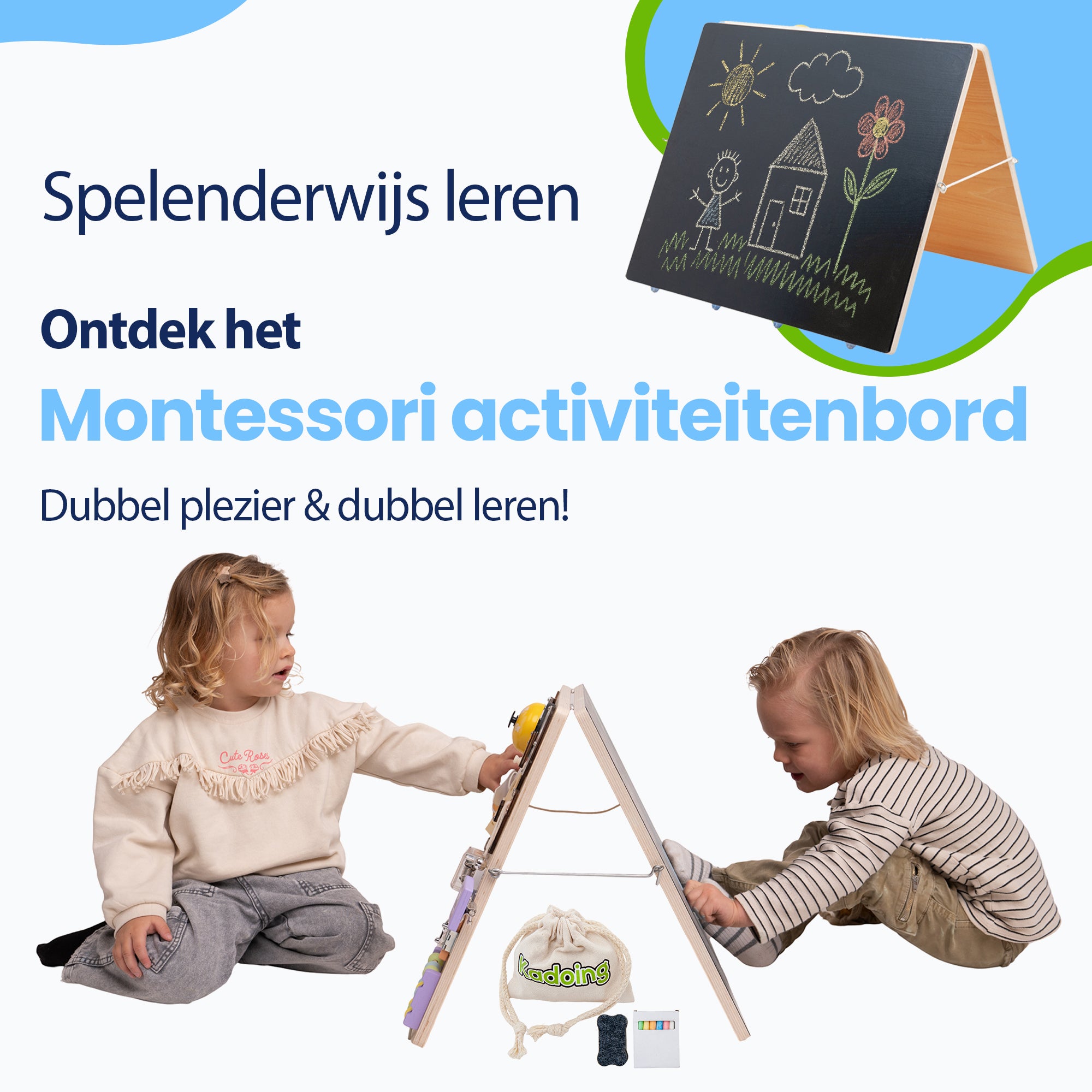
Art and culture stimulate creativity, imagination, and self-confidence. Discover how to introduce your child to them through playful and engaging experiences.
Art and culture are not only valuable for adults. Children can learn an incredible amount from them as well. Through observing, listening, creating, and moving, they discover new forms of expression. From visiting a museum to painting at the kitchen table, creative experiences help children better understand themselves and the world around them.
Why Art Is Important for Your Child's Development
Art stimulates children's creativity and imagination. When a child draws, paints, dances, or makes music, they learn how to transform ideas into something tangible. This helps develop self-expression and self-confidence.
In addition, art contributes to important skills such as problem-solving, concentration, and critical thinking. Children learn that there is not always one right answer. Sometimes things can be different, playful, or unexpected—and that's perfectly okay.
Art and Culture Teach Children to See the World Differently
Through art and culture, children are introduced to different stories, traditions, and ways of thinking. A painting, song, dance, or performance can spark questions: What do you see? What do you hear? How does it make you feel?
By talking about art together, children learn to express their opinions and listen to others. This makes art not only creative but also social and educational.
Visit a Museum Together
A museum visit can be a real adventure for children. More and more museums offer special routes, workshops, and interactive exhibitions designed specifically for young visitors.
Encourage your child to explore and ask questions. What stands out? Which colors do you see? Which artwork is funny, exciting, or beautiful? By actively involving children, museum visits become more enjoyable and easier to understand.
Create Your Own Artwork at Home
Art does not have to happen only in museums. You can easily organize a creative afternoon at home as well. Set out paper, paint, pencils, clay, or recycled materials and let your child experiment freely.
The result does not need to be perfect. The process is what matters most: trying, discovering, combining ideas, and starting over. This encourages independent thinking and builds confidence in their own creativity.
Discover Music as an Art Form
Art is much more than drawing and painting. Music is also a beautiful form of expression. Through singing, clapping, dancing, or making music, children discover rhythm, sound, and emotion.
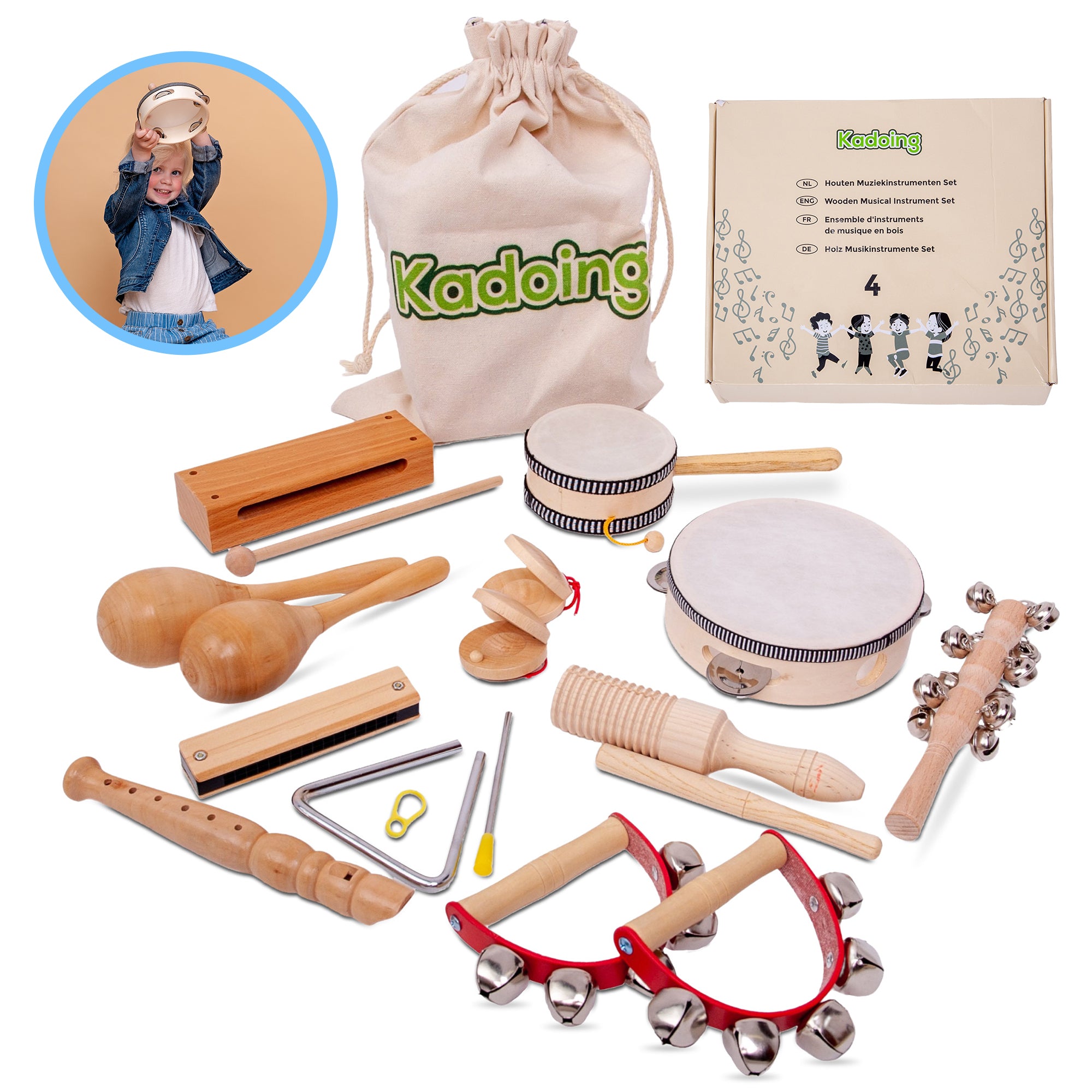
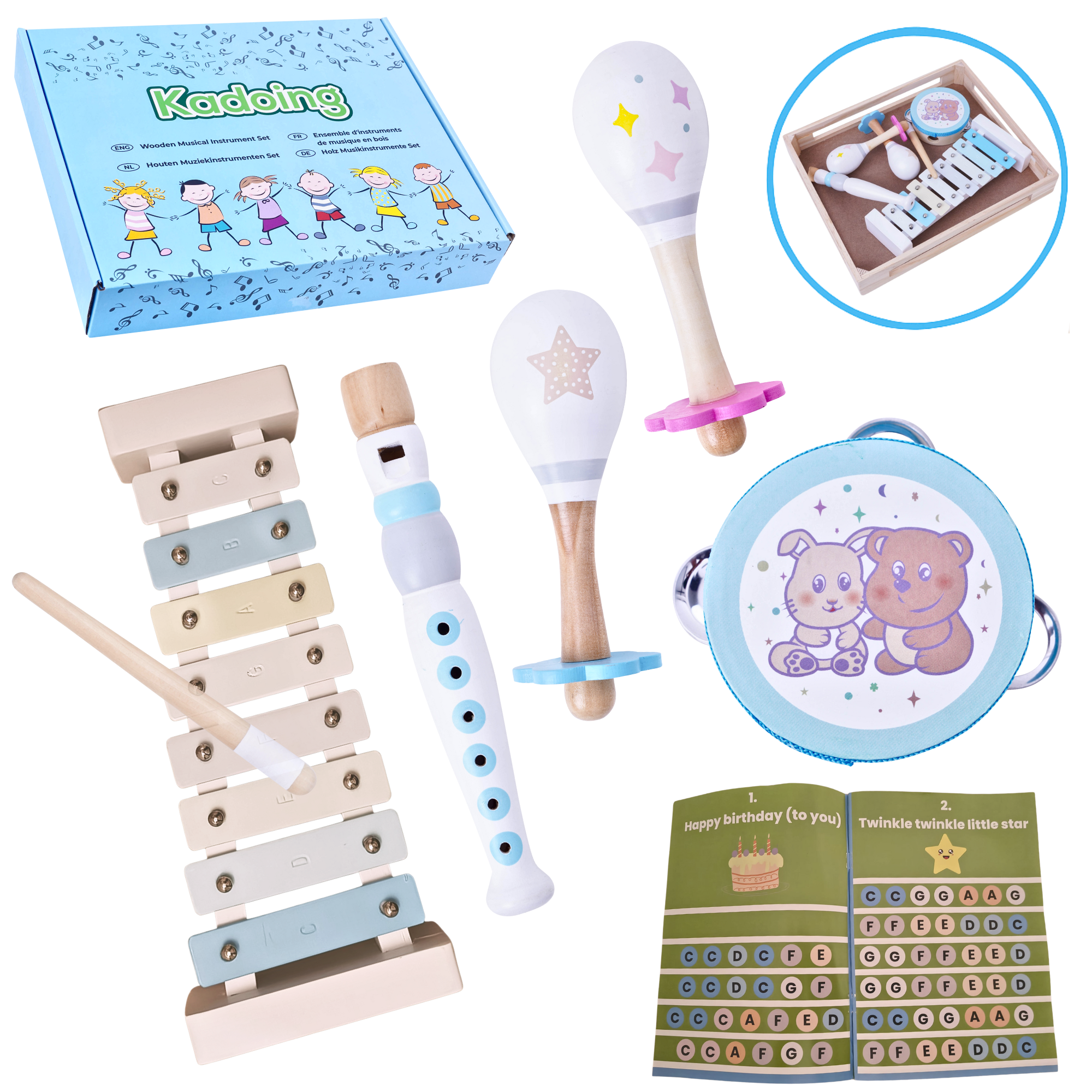
With a wooden musical instrument set, children can be introduced to music in a fun and accessible way. They learn to listen, move, and create sounds of their own.
Think Beyond the Canvas: Dance, Theater, and Storytelling
Creativity comes in many forms. Dance, theater, puppet shows, and storytelling are all artistic activities. Your child may enjoy performing a play, inventing a song, or acting out an original story.
By offering different forms of art, your child can naturally discover what interests them most. The most important thing is creating space for imagination and fun.
Creative Play with Sustainable Toys
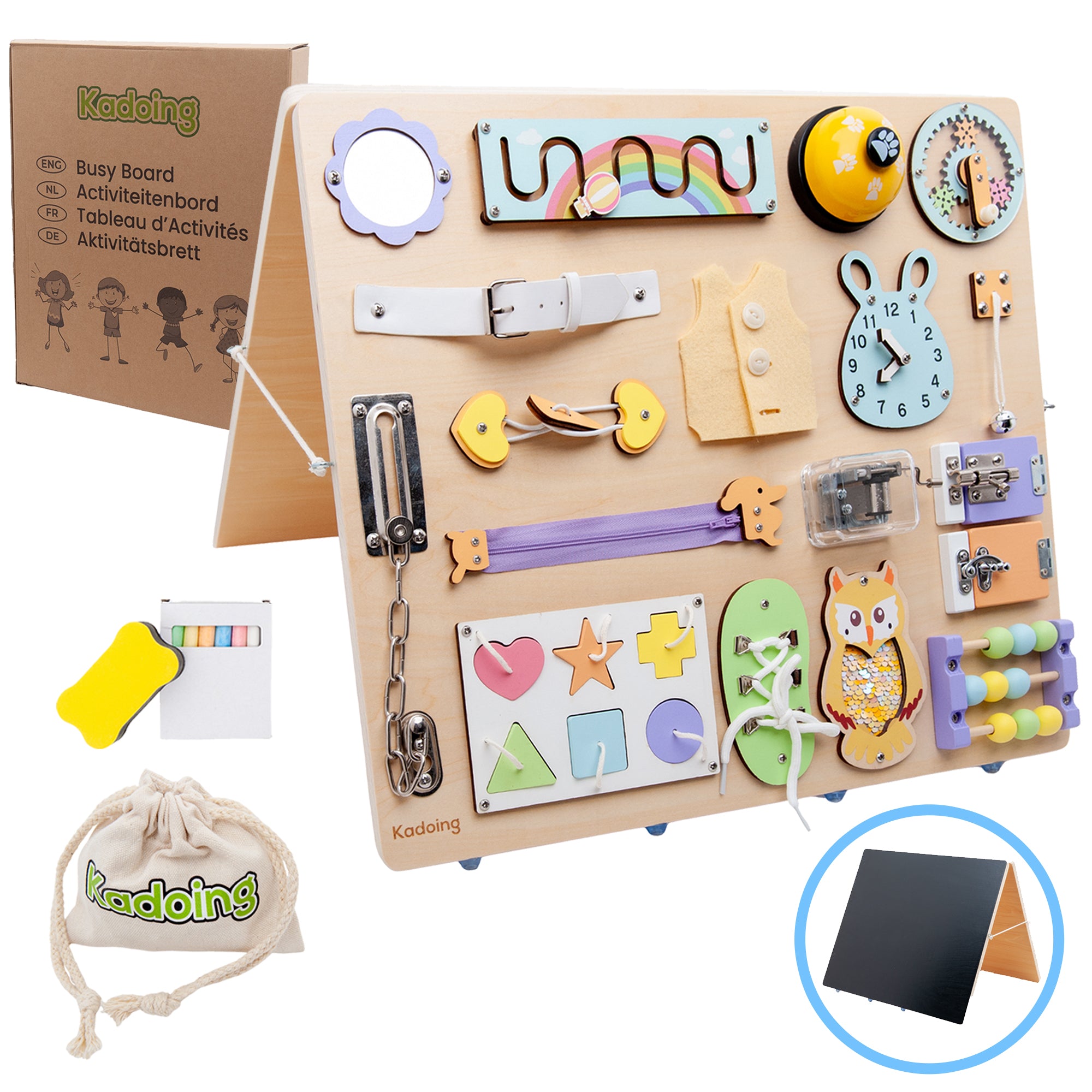
Toys can also contribute to artistic development. Open-ended toys encourage children to create their own stories, shapes, and situations. Think of building, making music, role-playing, or experimenting with different materials.
In our collection of durable wooden toys, you'll find products that encourage children to learn creatively, independently, and through play.
Tips for Making Art and Culture Fun for Children
- Let your child choose which creative activity they would like to do.
- Focus on enjoyment rather than a perfect result.
- Ask open-ended questions such as: “What did you create?” or “How does this make you feel?”
- Use a variety of materials, sounds, and movements.
- Plan occasional cultural outings, such as museum visits, performances, or music activities.
Conclusion
Art and culture enrich children's lives. They stimulate creativity, imagination, language development, emotional growth, and self-confidence. By visiting museums, making music, crafting, or inventing stories together, you give your child the opportunity to discover who they are.
Would you like to encourage art and creativity at home as well? Explore Kadoing's collection of sustainable wooden toys and let your child learn and grow through play.