Is your child less social or quick to withdraw from others? Discover how to gently and positively encourage social skills.
Not every child naturally seeks out lots of social interaction. Some children are naturally quieter, more sensitive, or more introverted. And that's perfectly okay. However, you can gently help your child build more confidence when interacting with others.
Why Is My Child Less Social?
There are various reasons why a child may appear less social. Some children simply need more time to feel comfortable in a group. Others may find it difficult to understand social cues, such as facial expressions, jokes, or body language.
Insecurity can also play a role. A child who is afraid of saying the wrong thing may prefer to withdraw rather than take a social risk. Previous experiences, such as rejection, bullying, or a major change at home, can also affect how easily a child connects with others.
The most important thing to remember is that less social behaviour does not automatically mean something is wrong. Every child develops at their own pace.
Introverted or Socially Insecure: What's the Difference?
An introverted child is not necessarily unhappy or lonely. Introverted children often recharge through quiet moments and may be perfectly content with one or two close friends.
Social insecurity is more often characterised by anxiety, avoidance, sadness, or frustration in social situations. Your child may want to connect with others but may not feel confident enough to do so. In these cases, additional support can be helpful.
When Is There No Need to Worry?
You generally do not need to worry if your child:
- enjoys playing alone but seems happy;
- has one or two close friends;
- needs time to warm up in new situations;
- prefers quiet time after school;
- interacts with others in their own way.
Quiet children can be socially strong, even if they show it less obviously.
How to Help Your Child Become More Social
Would you like to help your child connect more easily with others? Start small and avoid pressure. Social skills grow primarily through positive experiences.
1. Give Your Child Time to Adjust
Don't force your child to join in immediately. Let them observe, listen, and become familiar with the environment first. Some children simply need a little more time before they feel comfortable enough to participate.
2. Practice Social Situations at Home
Role-playing can be very helpful. Practice simple phrases such as, "Can I join?" or "Would you like to play together?" This makes real-life social situations feel less intimidating.
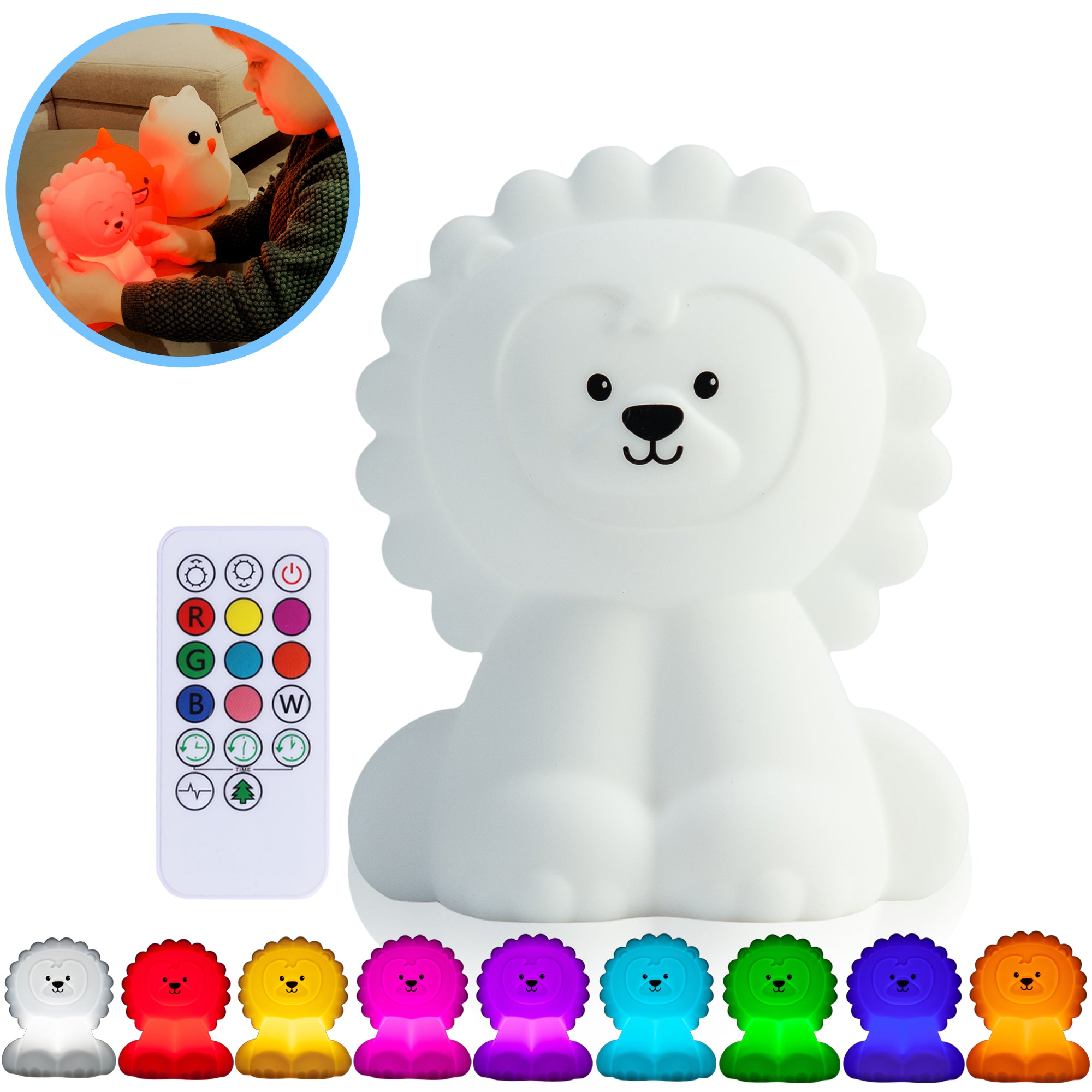
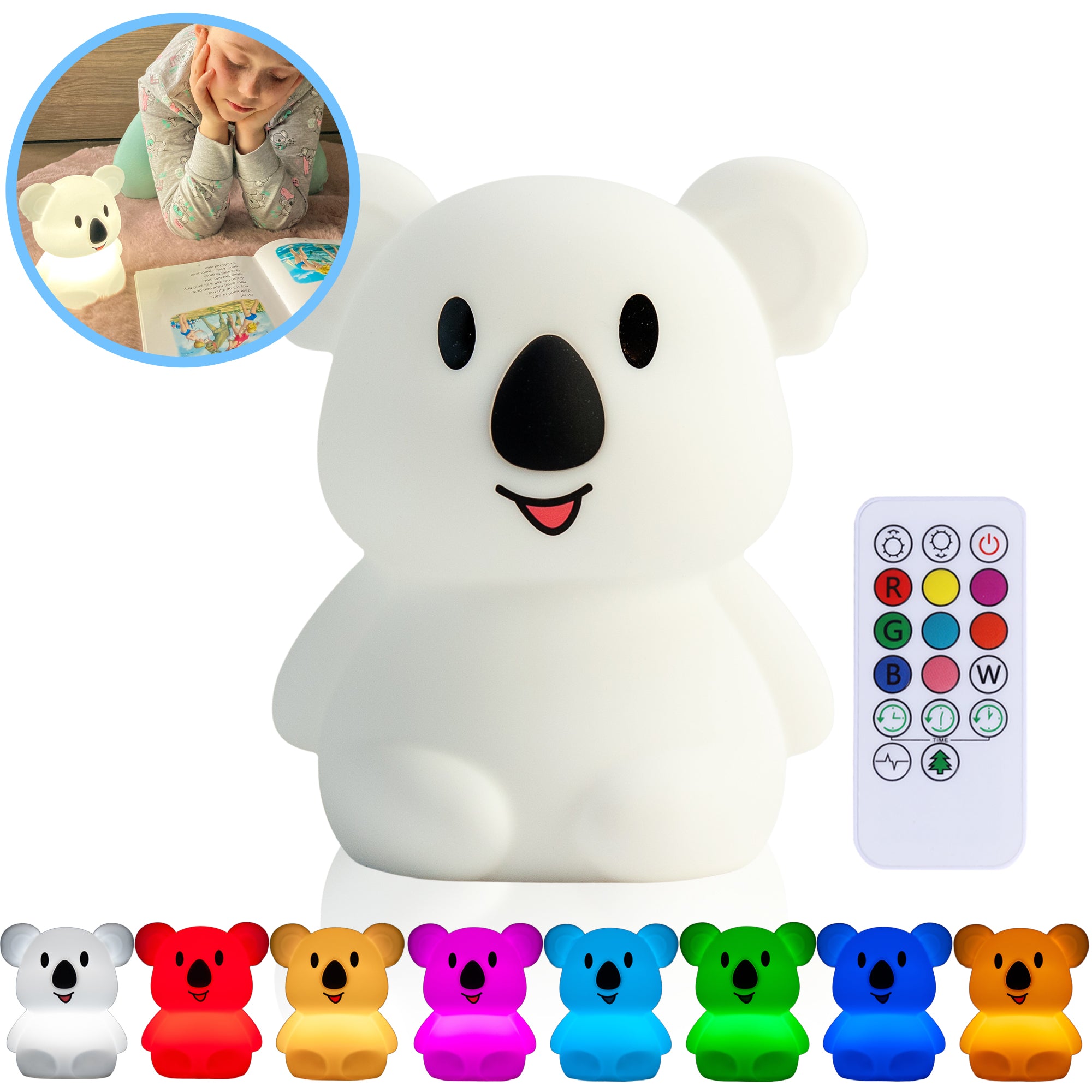
Playing with dolls, stuffed animals, or toy figures can also help children rehearse social situations. For example, explore our collection of soft plush toys that support comfort, imagination, and emotional development through play.
3. Encourage Conversations About Emotions
Help your child recognize and name their emotions. Ask questions such as, "Did that make you nervous?" or "Were you happy when he wanted to play with you?" This helps children understand and express their feelings more effectively.
Children who recognize emotions more easily often find it easier to connect with others as well.
4. Start with Small Playdates
A large group can feel overwhelming. Instead, begin with one familiar child. Keep the playdate short and choose an activity you know your child enjoys.
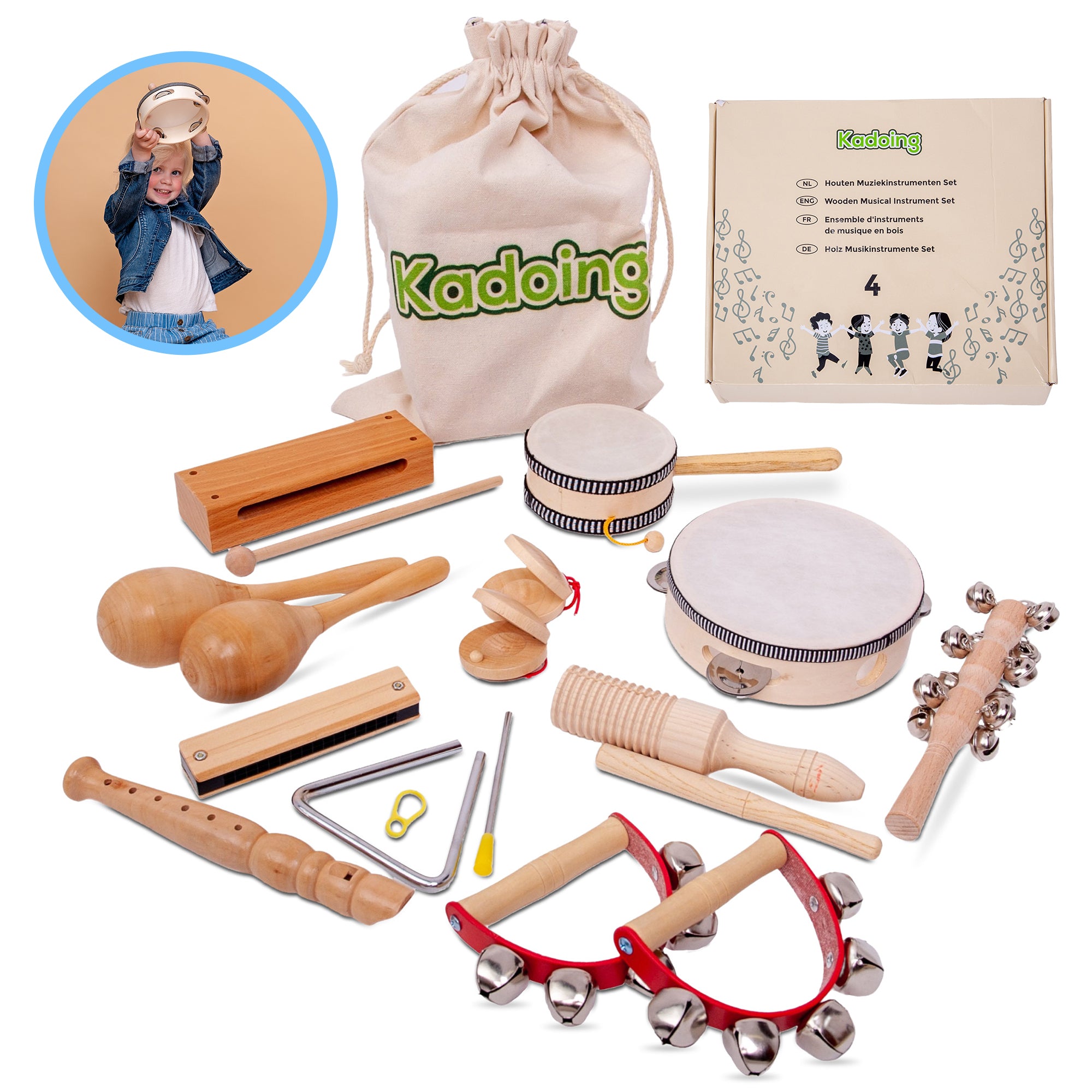
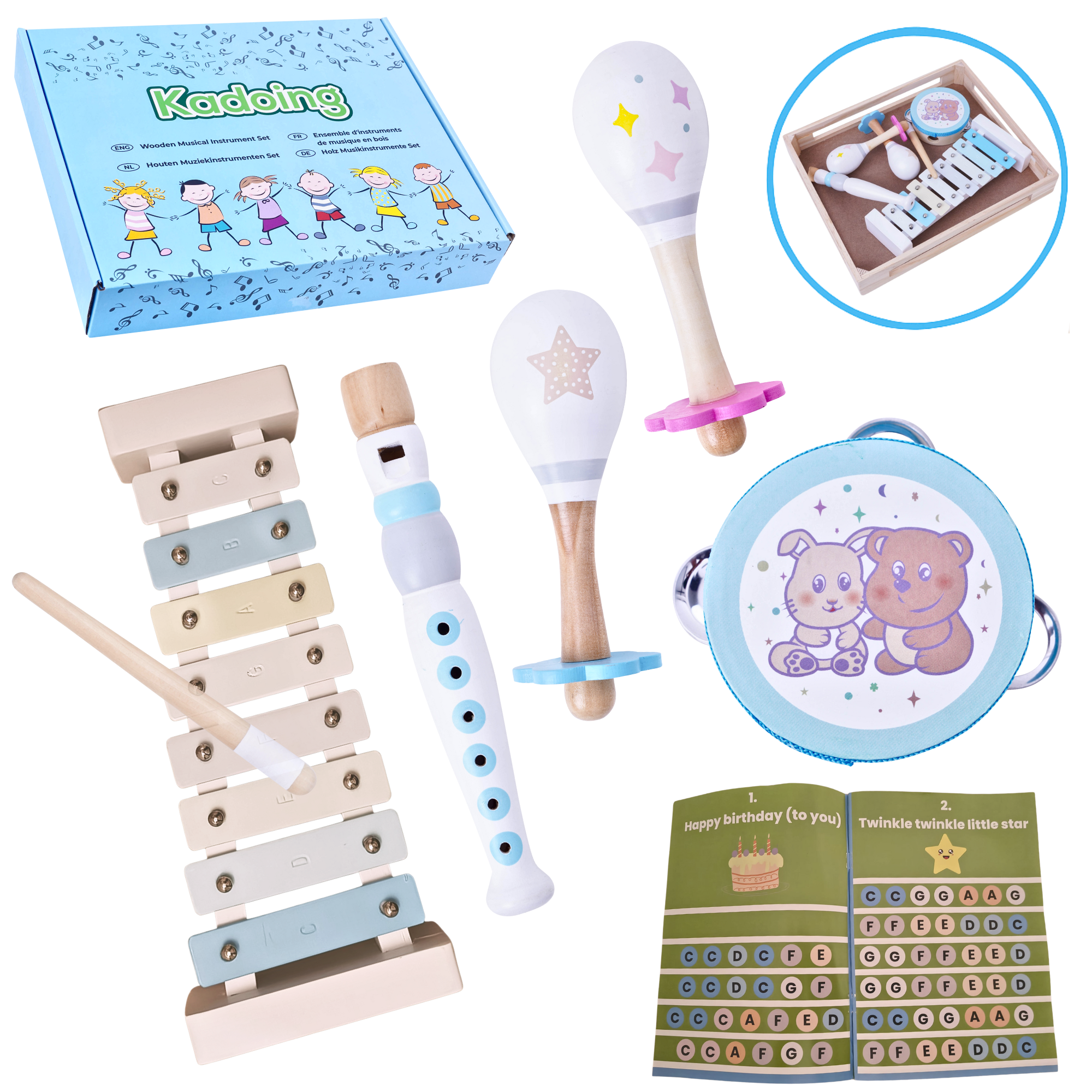
Creative or educational toys can make playing together easier. With durable wooden toys, children can build, make music, explore, and naturally practice sharing and cooperating.
5. Use Interests as a Bridge to Connection
Talk with your child about their hobbies and interests. Do they love animals, building, music, drawing, or outdoor play? Shared interests often provide an easy way to connect with other children.
Children generally find it easier to talk about topics they are genuinely excited about.
6. Lead by Example
Children learn a great deal by watching adults. Show them how to greet someone, ask questions, listen attentively, and show interest in others. You can even explain what you're doing: "I asked how her day was because it's nice to show interest in people."
What Should You Avoid?
Well-intentioned pressure can have the opposite effect. Try to avoid comments such as "Don't be so shy" or "Just go and play." These remarks can make children feel even more self-conscious or insecure.
Also avoid comparing your child to siblings or other children. Every child has their own personality and developmental pace.
Rest Supports Social Growth
Social situations can require a lot of energy, especially for sensitive or introverted children. Make sure your child has enough opportunities to rest after school, daycare, or busy days.
A predictable daily routine can help children feel more secure. A children's alarm clock with sleep trainer can support structure around bedtime, waking up, and daily routines.
When Is Extra Help a Good Idea?
In most cases, social skills develop naturally over time, especially with patience and positive practice. However, it may be wise to seek professional support if your child experiences long-term anxiety, frequently comes home upset, completely avoids social situations, or is dealing with bullying.
If you are concerned, discuss the situation with your child's teacher, family doctor, or a child development professional. They can help determine what support your child may need.
Every Child Develops at Their Own Pace
Not every child needs to be the most outgoing or sociable person in the group. Some children thrive in small, familiar settings. By taking your child seriously, providing calm and support, and practicing social skills step by step, you can help them grow in a safe and confident way.
Does your child enjoy being around lots of people, or do they prefer playing quietly in their own way?