Competition teaches children how to win, lose, and persevere. Discover the benefits, risks, and tips for healthy competitive experiences.
A football match, a board game, a judo competition, or an online game: children encounter competition in many different ways. Winning can feel amazing, but losing is just as much a part of the experience. That is exactly why competition can be educational, as long as there is enough room for fun, relaxation, and personal growth.
What Does Competition Mean for Children?
Competition means comparing your abilities or performance with others. This can happen during sports, games, school activities, or digital gaming. For some children, competition is highly motivating, while others may find it stressful.
As a parent, you play an important role. By focusing on effort, enjoyment, and development, you can help your child experience competition in a healthy and positive way.
The Benefits of Competition for Your Child
Participating in a competition, tournament, or game from time to time can have many positive effects. Children learn that winning is enjoyable, but that losing is also a normal part of life. This helps build resilience.
Competition can also teach perseverance. When something does not go well immediately, children discover that practice, effort, and trying again are important. This skill will benefit them later in school, hobbies, and social situations.
In addition, healthy competition can contribute to self-confidence. A child who sees that effort leads to improvement often develops greater belief in their own abilities.
Children Learn to Handle Winning and Losing
Winning brings pride and excitement. Losing can cause disappointment, frustration, or sadness. These feelings are completely normal. It is important for children to learn gradually that losing does not mean they have failed as a person.
Help your child by asking questions after a game or competition, such as: “What did you enjoy?”, “What went better than last time?”, or “What would you like to try differently next time?” This shifts the focus from the outcome to the learning process.
The Downsides and Risks of Too Much Competition
Competition can also create stress. A certain amount of nervousness is normal and can even help children stay focused. However, when a child constantly feels pressure to perform, competition can become unhealthy.
Too much emphasis on winning may lead to fear of failure, frustration, or unhealthy perfectionism. Some children may become afraid of making mistakes or start avoiding activities where they might lose.
That is why it is important to pay attention to your child's behavior. Does your child become unusually quiet, angry, sad, or overly emotional after a competition? These may be signs that the pressure is becoming too intense.
5 Tips for Encouraging Healthy Competition
- Offer positive encouragement: Show that you are proud of your child’s effort, not just the result.
- Talk without judgment: Ask how your child experienced the competition and listen without immediately correcting or analyzing.
- Recognize signs of stress: Pay attention to behavioral changes such as anger, withdrawal, or extreme disappointment.
- Shift the focus afterward: Do something relaxing together, such as going for a walk, playing, or enjoying a quiet snack or drink.
- Emphasize fun and growth: Remind your child that teamwork, learning, and enjoyment are just as important as winning.
Learning Through Play Without Performance Pressure
Not every activity needs to be a competition. Children also need free play, where they can explore without having to win or perform. It is during free play that children develop creativity, social skills, and self-confidence.
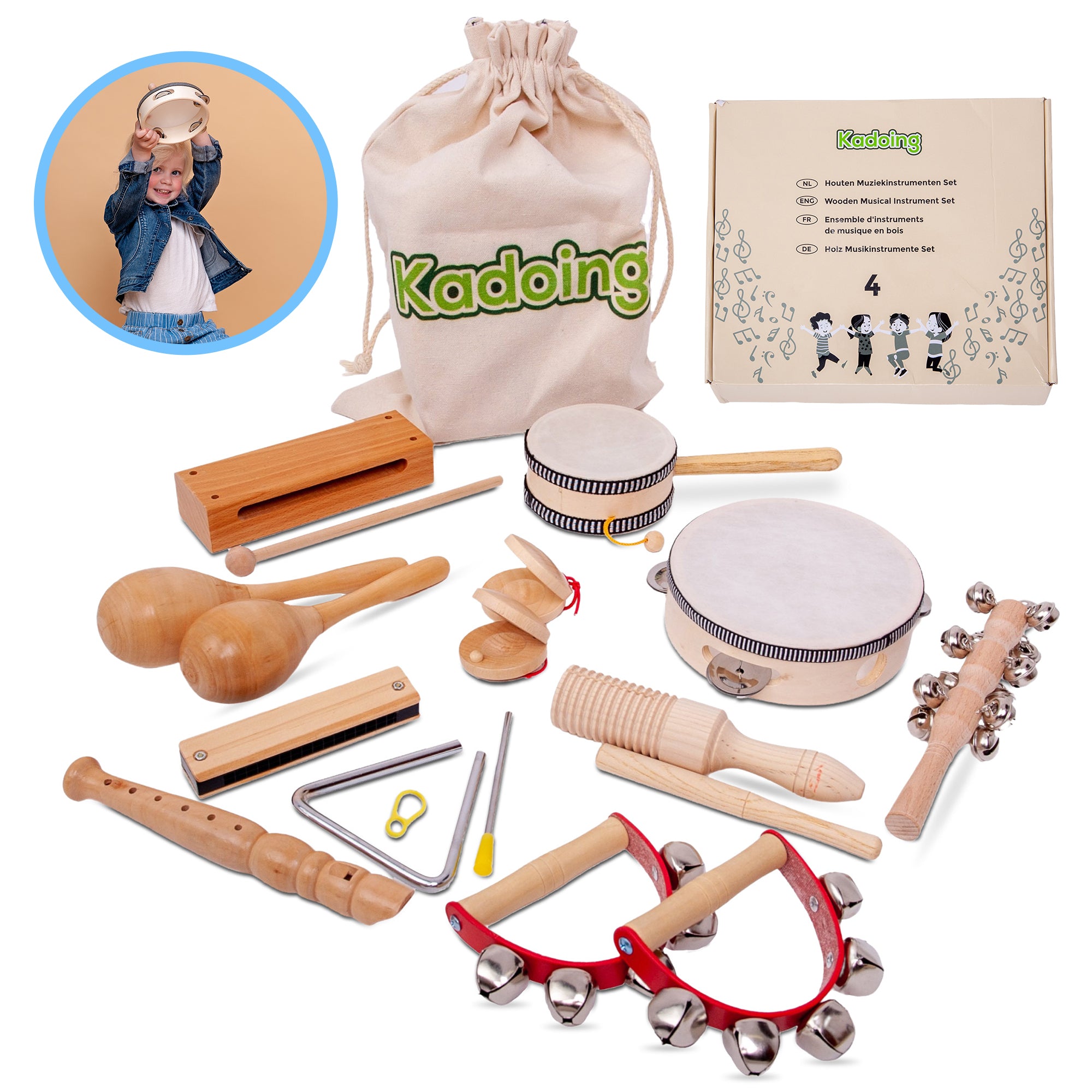
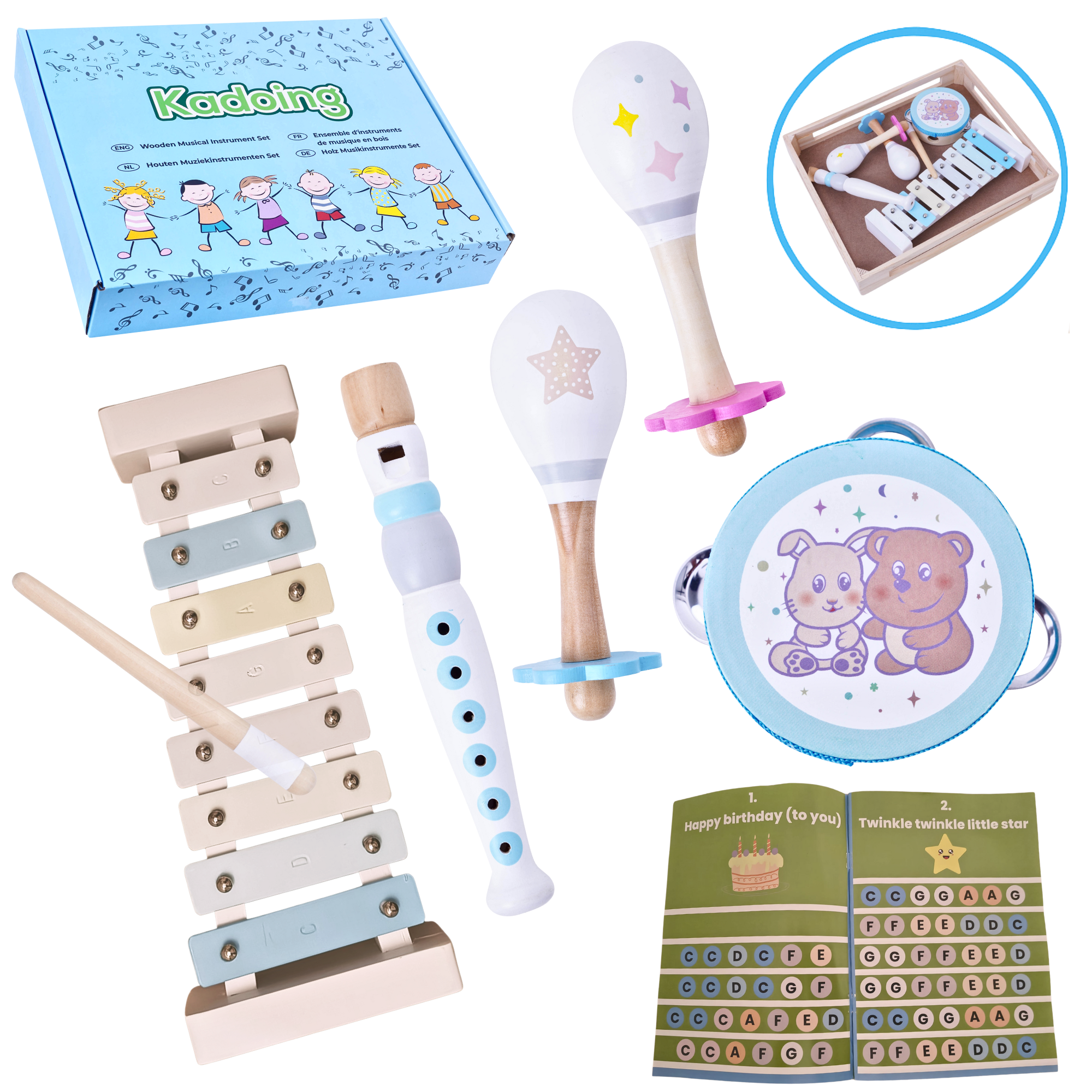
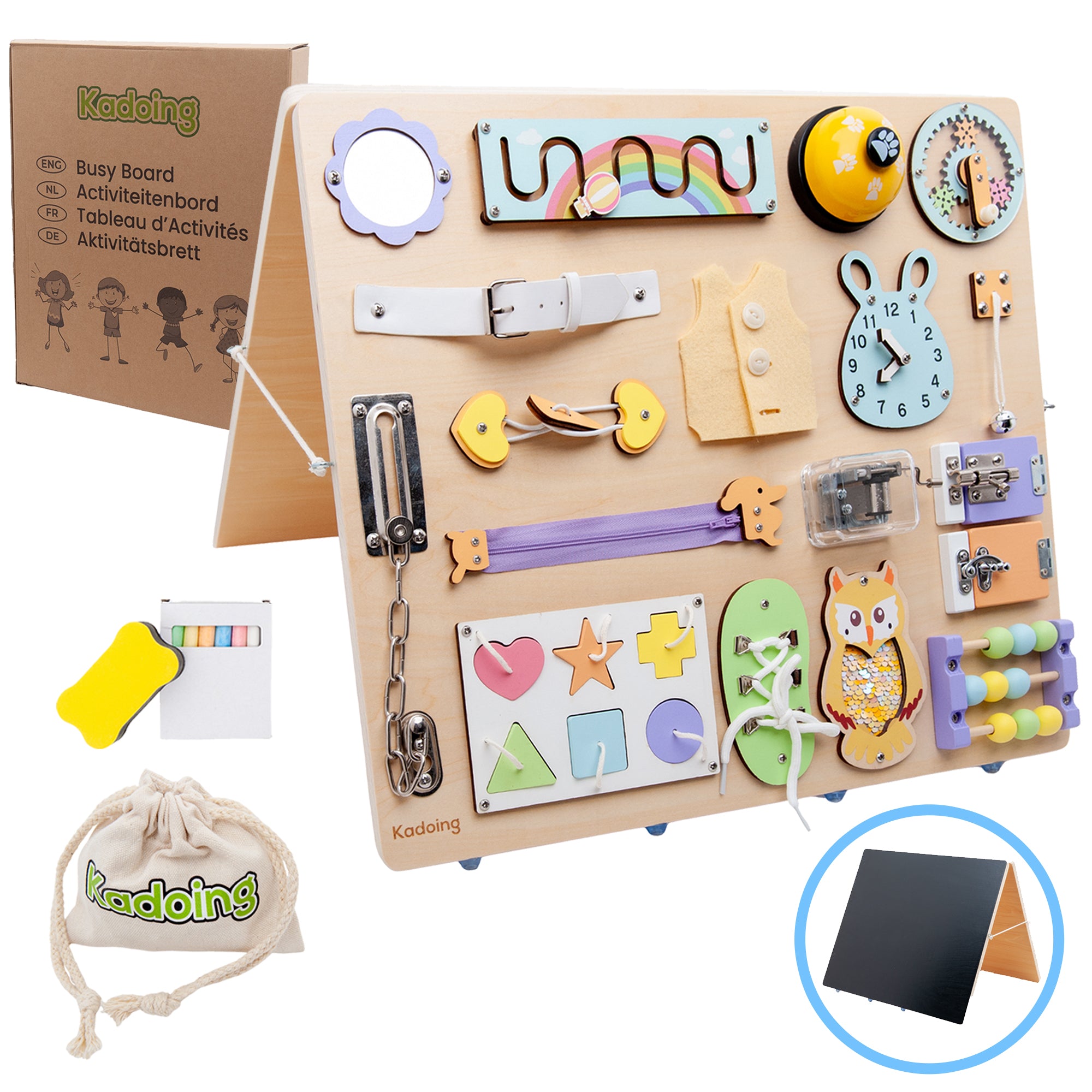
With open-ended toys, such as durable wooden toys, children can decide for themselves how they want to play. This creates space for imagination, cooperation, and relaxation.
When Is Competition Healthy?
Competition is healthy when your child continues to enjoy it, feels comfortable making mistakes, and can relax afterward. The goal is not always to win, but to grow, practice, and learn how to deal with different emotions.
As a parent, you can help by making winning and losing less important and placing more value on effort. This teaches your child that trying is more important than being perfect.
From Competitive Excitement to Self-Confidence
Competition can teach children valuable life lessons. They learn what it feels like to win, how to cope with disappointment, and why perseverance matters. At the same time, competition requires balance so that performance pressure does not take over.
By offering positive encouragement, listening carefully, and making room for relaxation, you help your child experience competition in a healthy and constructive way.
Which sport, competition, or game does your child enjoy participating in most?