Independence helps children build self-confidence. Discover 5 practical tips to help your child become more independent step by step.
Why independence is important for children
As children grow older, they naturally want to do more things on their own. Putting on their shoes, making a sandwich, making choices, or solving problems independently are all important milestones in their development.
Children who learn to do things for themselves develop greater self-confidence, responsibility, and perseverance. They discover that making mistakes is part of learning and that new skills can be developed through practice. Of course, every child develops at their own pace. Some children become independent early, while others need more time and guidance.
Fortunately, there are many ways parents can encourage independence without putting too much pressure on their child.
What exactly is independence?
Independence does not mean that children must be able to do everything on their own. It means learning to trust their own abilities and gradually taking on more age-appropriate responsibilities.
This often begins with small tasks, such as choosing their own clothes or tidying up their toys. As children get older, these responsibilities can gradually expand.
Independence develops primarily through experience. Children need opportunities to try things themselves, make mistakes, and discover solutions.
Tip 1: Lead by example
Children learn a great deal by observing adults. When they see how you solve problems, complete tasks, and take responsibility, they often naturally imitate that behavior.
Show your child how certain tasks are done and explain why you do them. This could include cooking, tidying up, planning activities, or grocery shopping. Involve your child and assign simple tasks that match their age and abilities.
Even small responsibilities can make a big difference in a child's sense of independence.
Tip 2: Be patient and show trust
Becoming independent takes time. Children do not learn everything at once and need opportunities to practice. This sometimes means tasks take longer or are not completed perfectly.
Try not to step in too quickly when something goes wrong. Give your child the chance to find a solution independently. These experiences are exactly what help build self-confidence.
When children feel that you trust their abilities, they are often more willing to take initiative.
Tip 3: Start with small steps
Large responsibilities can feel overwhelming. That is why it is often best to start small.
For example:
- Tidying up their own toys.
- Hanging up their coat.
- Helping set the table.
- Choosing a book to read.
- Bringing their own cup to the kitchen.
Each successful experience helps build the confidence needed to try new things independently.
Tip 4: Give your child time to learn
Many parents recognize the temptation to do things themselves when mornings become hectic. However, learning is only possible when children are given enough time to practice.
Try scheduling important learning moments during calmer parts of the day. For example, let your child practice tying shoelaces or dressing themselves during the weekend when there is no time pressure.
If something does not work immediately, it is often better to work together on a solution rather than taking over completely. This keeps your child involved and motivated.
Tip 5: Give compliments and acknowledge effort
Compliments are a powerful way to encourage independence. They help children gain confidence in their abilities and feel appreciated.
Focus your praise on effort rather than only on results. For example:
- "Great job trying that on your own."
- "You kept practicing calmly. Well done."
- "I can see you worked really hard on this."
This teaches children that persistence and practice are just as important as immediate success.
Encouraging independence through play
Play is one of the best ways for children to develop independence. During play, they make decisions, solve problems, and discover what they can do by themselves.
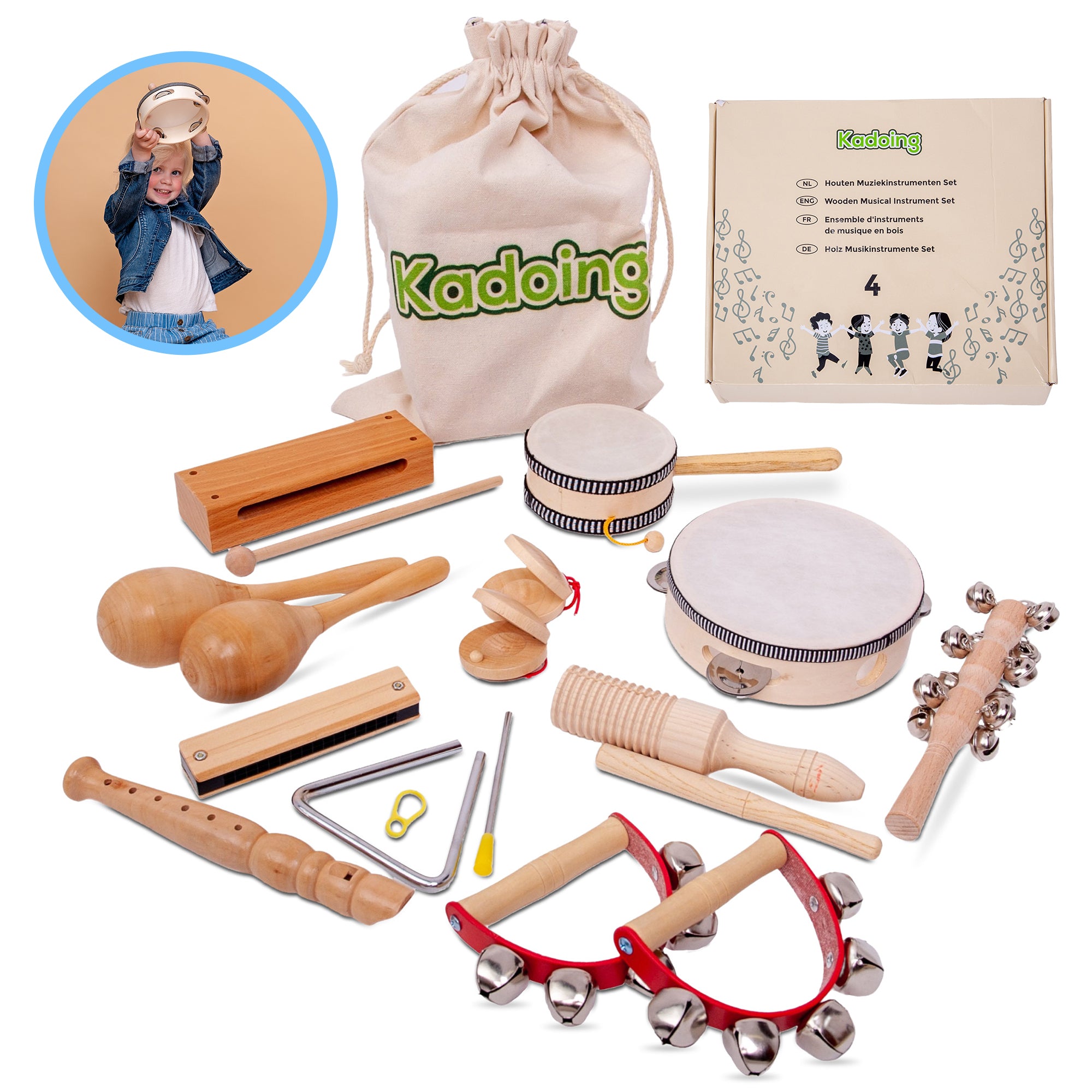
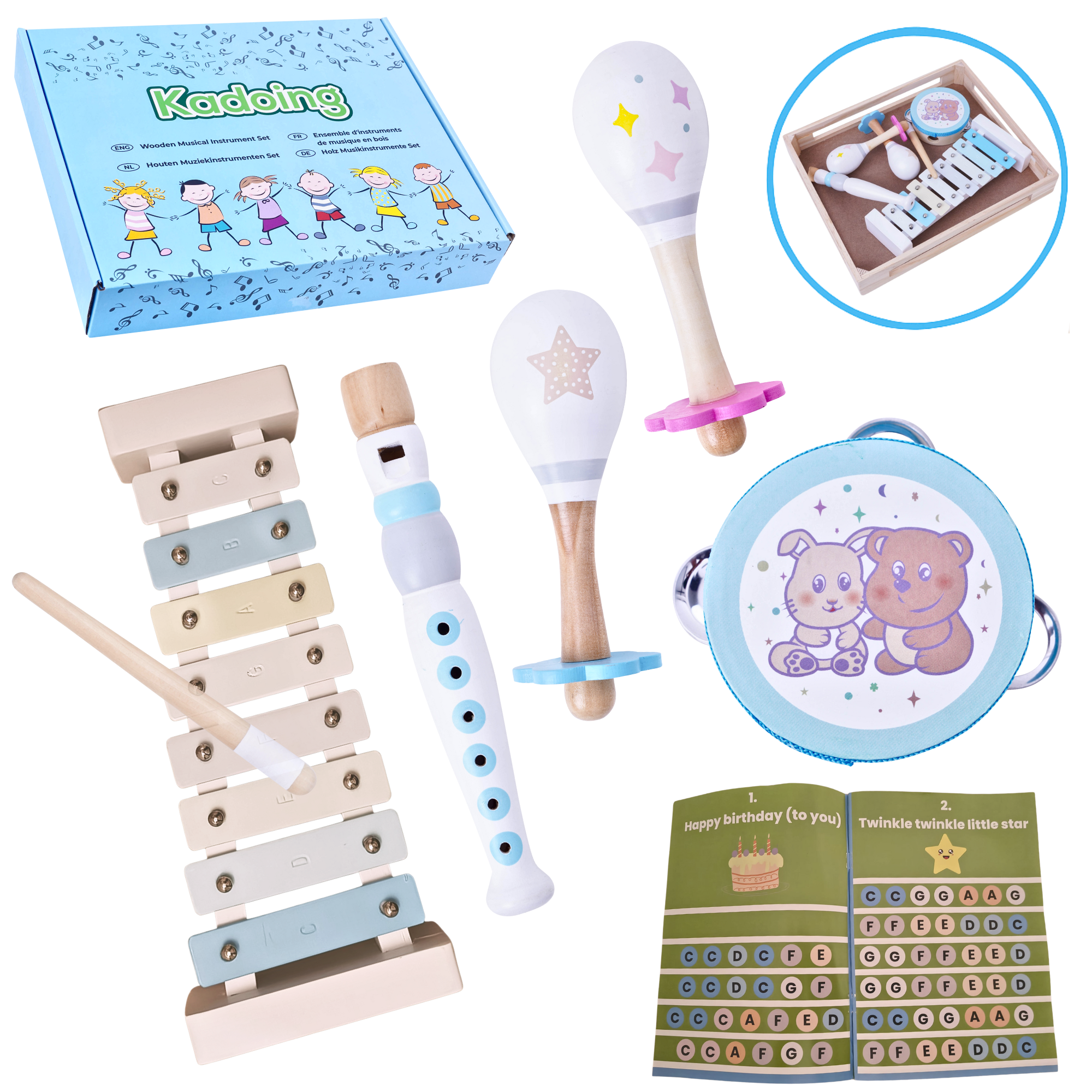
Open-ended toys, where children decide how they want to play, often encourage this development even more. Examples include building, sorting, making music, and activities that require children to come up with their own solutions.
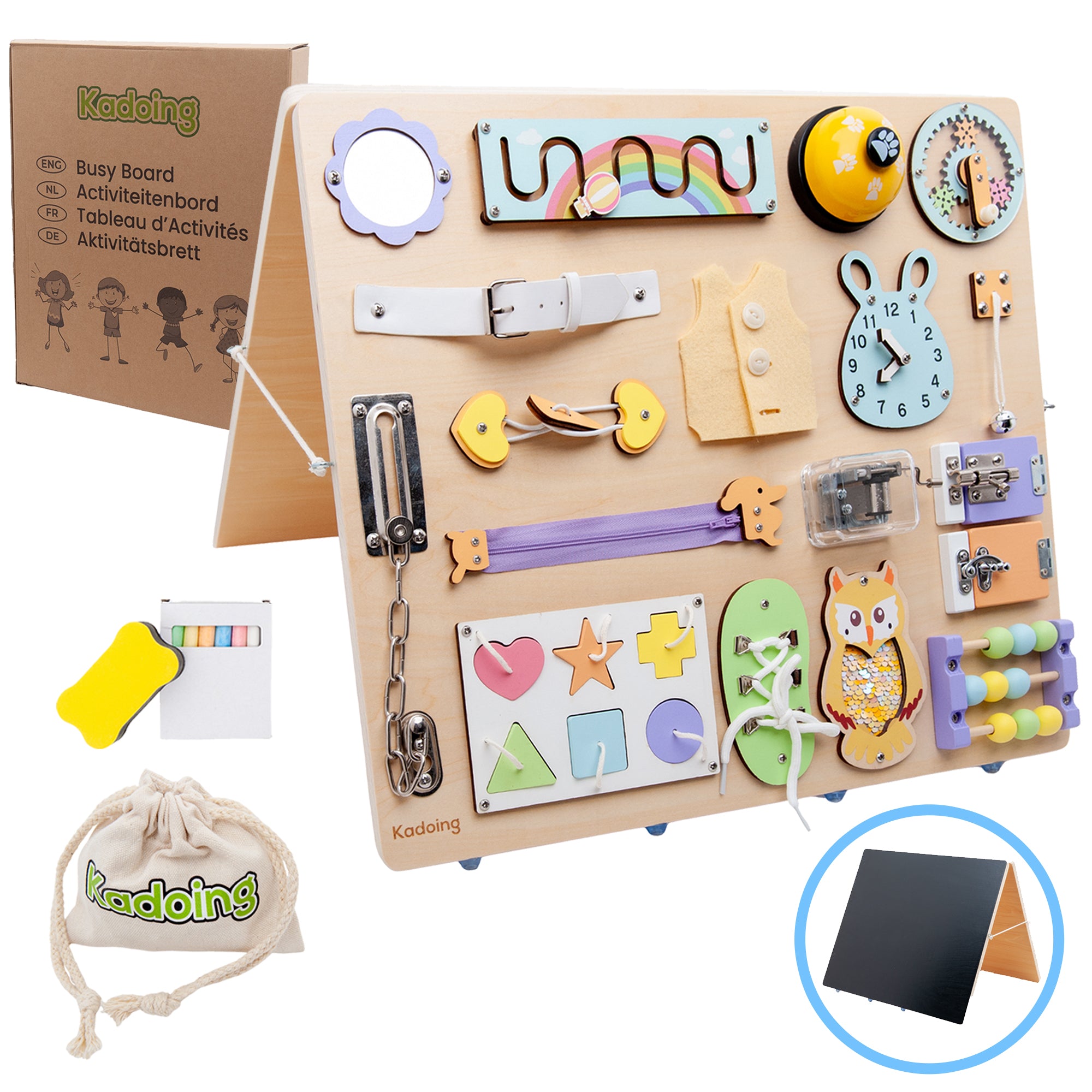
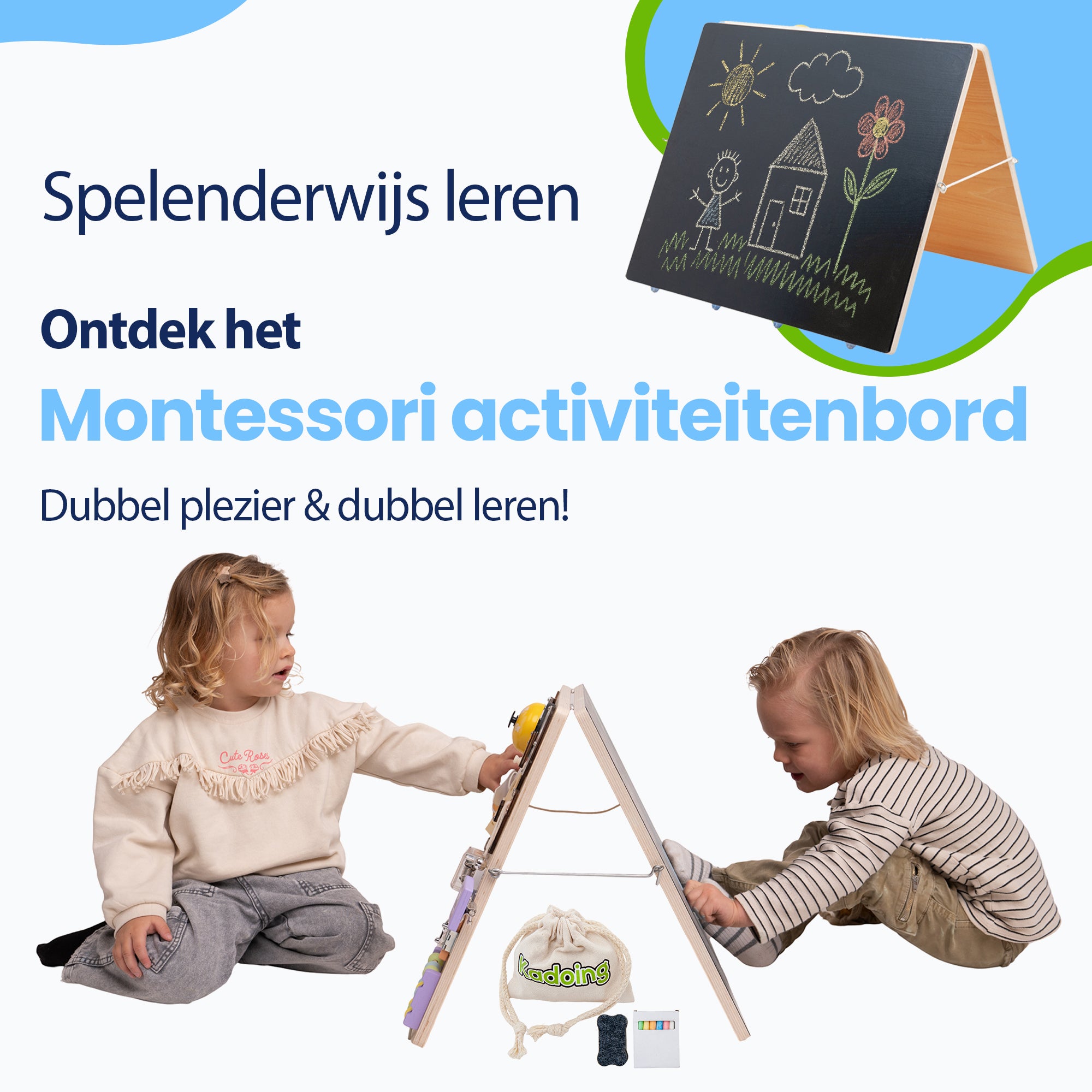
For children who enjoy exploring and practicing everyday skills, activities involving locks, buttons, shapes, and movement can be particularly engaging. Consider a busy board that encourages independent discovery.
Independence and structure go hand in hand
Children become more independent when they know what is expected of them. Structure and predictability provide security and make it easier for children to take initiative.
Consistent routines for waking up, eating, playing, and sleeping help children take responsibility for daily tasks. Especially for younger children, a clear daily structure can create a sense of calm.
For families working on consistent morning and bedtime routines, tools such as a sleep trainer or children's alarm clock can help children better understand the flow of their day.
Give your child room to grow
Independence does not develop overnight. It is a process of practicing, making mistakes, learning, and trying again. By remaining patient, showing trust, and creating opportunities for success, you help your child become increasingly capable and confident.
Ultimately, independence is not about doing everything perfectly. It is about developing confidence in one's own abilities. That confidence becomes a valuable foundation for the rest of life.
Would you like to learn more about parenting, child development, and learning through play? Explore the latest articles in our blog section.